



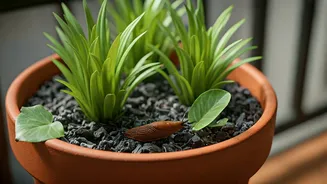


The Science in Your Strainer
Every time you rinse rice before cooking, you're washing away a cloudy liquid that most of us pour straight down the drain. But that milky water is packed with beneficial compounds. It contains starch, which provides energy for beneficial soil microbes.
These microbes, in turn, help improve soil structure and make nutrients more available to your plant's roots. Beyond starch, rice water also has trace amounts of essential macronutrients that plants crave: nitrogen (N), phosphorus (P), and potassium (K). While it's not as potent as a commercial NPK fertiliser, it acts as a wonderful, gentle supplement that encourages stronger root development and healthier foliage. Think of it as a vitamin-rich smoothie for your plants, providing a consistent, mild boost without the risk of chemical burn associated with stronger fertilisers.
Plain vs. Fermented: A Quick Guide
You can use rice water in two ways: plain or fermented. Each has its own benefits and preparation method.
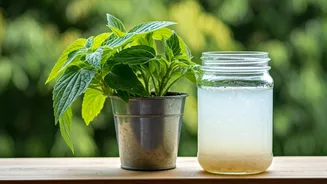
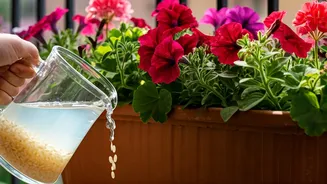
**Plain Rice Water:** This is the easiest method. Simply collect the water from rinsing your uncooked rice. Let the water sit for about 30 minutes to an hour to allow the starch to settle at the bottom. Give it a quick shake before using it to water your plants. It’s a quick and mild tonic.
**Fermented Rice Water (FRW):** This version is a bit more potent and considered more beneficial. To make it, collect your rice water in a jar but don't seal it tightly. Leave it at room temperature for 24 to 48 hours. The fermentation process introduces beneficial bacteria (like lactobacilli), enhances the nutrient profile, and lowers the pH, making it slightly acidic—which many flowering plants love. It will develop a slightly sour smell, which is completely normal. Before using, you must dilute the fermented rice water. A good ratio to start with is one part FRW to five parts plain water, to avoid overwhelming your plants.
How to Apply It Correctly
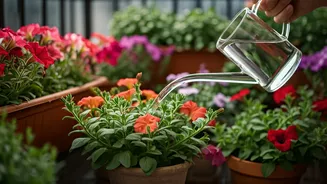
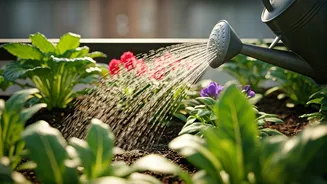
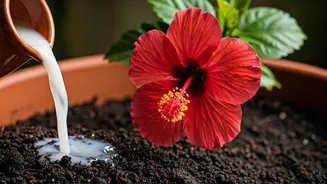
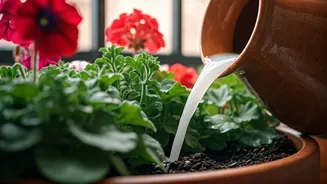
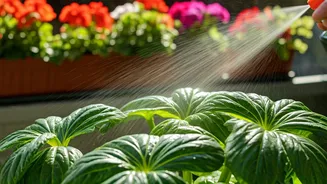
Using rice water is simple, but a few best practices will ensure you get great results without any unwanted side effects. The key is moderation. Use it to water your plants once every one to two weeks, in place of a regular watering session. Pour the rice water directly onto the soil, aiming for the base of the plant. Avoid splashing it on the leaves, as the starchy residue can sometimes encourage fungal growth or attract pests if it sits on the foliage. The goal is to feed the roots and the soil ecosystem, not the leaves. Check that your pot has good drainage, as rice water is still water—and letting any plant sit in soggy soil is a recipe for root rot. If you're using the more potent fermented version, always remember to dilute it first to prevent the soil from becoming too acidic too quickly.
Which Plants Love This Treatment?
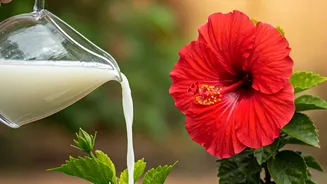
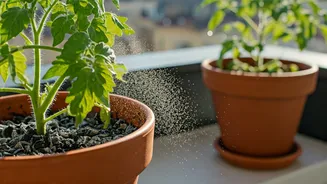
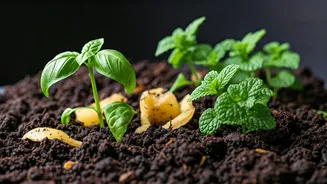
While most common houseplants and balcony flowers will appreciate the gentle boost from rice water, some seem to respond particularly well. Flowering plants that require slightly acidic soil, such as roses, hibiscus, bougainvillaea, and ixora, often show more vibrant blooms and healthier leaves after a few treatments. Foliage-heavy plants like money plants (pothos), philodendrons, and spider plants also benefit from the trace nutrients that support lush leaf growth. Even your kitchen herbs and vegetable plants, like tomatoes and peppers in their early stages, can get a good start from a rice water feeding. It’s a versatile, all-purpose supplement for the majority of your container garden. When in doubt, start with a diluted solution on a single plant and observe how it responds over a week or two before making it a part of your regular routine for all your pots.
Common Mistakes to Avoid
To keep your gardening efforts successful, steer clear of a few common pitfalls. First and foremost, never use water from rinsing rice that has been salted or seasoned. The salt can be highly damaging to plants, drawing moisture out of the roots and causing them to dry out. Similarly, avoid using water that rice has been cooked in, as it is too starchy and can create a thick film on the soil, hindering aeration and potentially leading to mould. Another mistake is over-application. Using rice water too frequently can lead to starch buildup, which may attract pests or create an environment for fungal gnats. Stick to a weekly or bi-weekly schedule. Finally, don't use it on plants that prefer dry, alkaline soil, like succulents or cacti, as the moisture and acidity might not be suitable for them.