






The Power in Your Kitchen Scraps
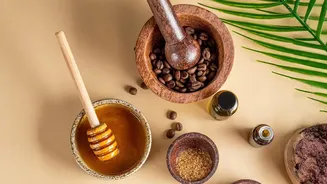
It might seem like just waste, but used coffee grounds and vegetable scraps are packed with valuable nutrients that plants crave. Coffee grounds are a fantastic source of nitrogen, one of the primary components of healthy soil. They also contain essential
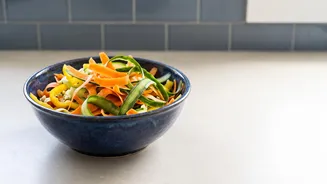
minerals like phosphorus, potassium, magnesium, and copper. Vegetable scraps, from carrot peels to wilted lettuce, also contribute a significant amount of nitrogen and moisture, helping to kickstart the decomposition process. By composting these items, you're not just reducing landfill waste—which accounts for about 30% of what we throw away—you are creating a natural, slow-release fertiliser that improves soil structure and helps plants thrive.
The 'Green' and 'Brown' Balancing Act
Successful composting is all about balance. Think of it as a recipe that requires two main types of ingredients: 'greens' and 'browns'. 'Greens' are nitrogen-rich materials that are typically moist. Despite their colour, used coffee grounds fall into this category, along with all your fruit and vegetable scraps, and fresh grass clippings. 'Browns' are carbon-rich materials that are usually dry, such as dried leaves, shredded cardboard, newspaper, and small twigs. The ideal ratio for a healthy, fast-working compost pile is roughly two to four parts brown material for every one part green material by volume. This balance provides the microorganisms doing the decomposing work with the right diet of carbon for energy and nitrogen for growth, preventing a slimy, smelly mess.
Getting Started: A Simple Guide
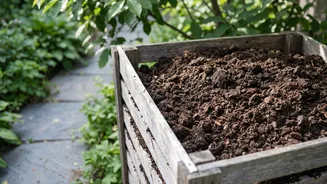
You don't need a lot of space or expensive equipment to start composting. You can use a dedicated compost bin, a tumbler, or even just a designated pile in a corner of your yard. To begin, start with a layer of bulky 'brown' materials like twigs at the bottom to help with air circulation. Then, start layering your kitchen waste. A good rule of thumb is to add a layer of 'browns' on top every time you add 'greens' like coffee grounds or veggie scraps. This helps maintain the carbon-nitrogen balance and reduces odours. The pile should be kept as moist as a wrung-out sponge; not too dry, not too soggy. Every week or two, use a garden fork to turn or mix the pile. This aerates the mixture, which is crucial for the aerobic microbes to do their job efficiently and speeds up the process.
What to Leave Out of the Pile
While most uncooked vegetable scraps are perfect for compost, some items should be avoided. Meat, fish, bones, dairy products, and oily or greasy foods are big no-nos for a typical backyard pile. These items decompose slowly, can create foul odours, and are very attractive to pests like rodents. It's also wise to avoid adding diseased or mouldy plants, as the pathogens can potentially survive the composting process and be spread back into your garden. Likewise, pet waste from dogs or cats should never be added, as it can contain parasites harmful to humans.
Harvesting and Using Your 'Black Gold'
Patience is key. Depending on your method and how often you turn the pile, it can take anywhere from a few months to a year to get finished compost. You'll know it's ready when it's dark, crumbly, and has a rich, earthy smell like a forest floor. There should be no recognisable food scraps left. To use it, you can mix it into the soil in your garden beds before planting, applying a layer one to three inches thick and working it into the top few inches of soil. You can also use it as a 'top dressing' by spreading a thin layer around existing plants, or as a mulch to help retain moisture. For potted plants, you can create your own potting mix by blending one part compost with one part soil and one part sand or perlite.