
Understanding the 'Danger Zone'
Before diving into cooling methods, it's essential to understand why speed is so important. The 'temperature danger zone' is the range between 5°C and 60°C, where bacteria can multiply rapidly. Some harmful bacteria can even produce toxins that survive
reheating. The goal is to move your food through this zone as quickly as possible. According to food safety authorities, you should aim to cool cooked food from 60°C down to 20°C within two hours, and then from 20°C to 4°C or below within the next four hours. Leaving a large, hot pot on the counter to cool on its own is a common mistake that keeps the food in this danger zone for far too long, increasing the risk of foodborne illness.
Divide and Conquer with Shallow Portions
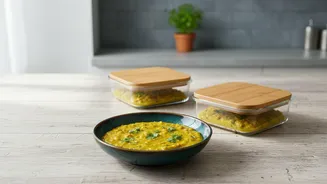
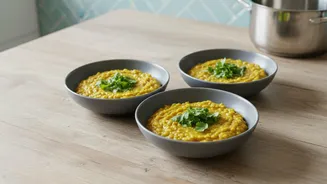
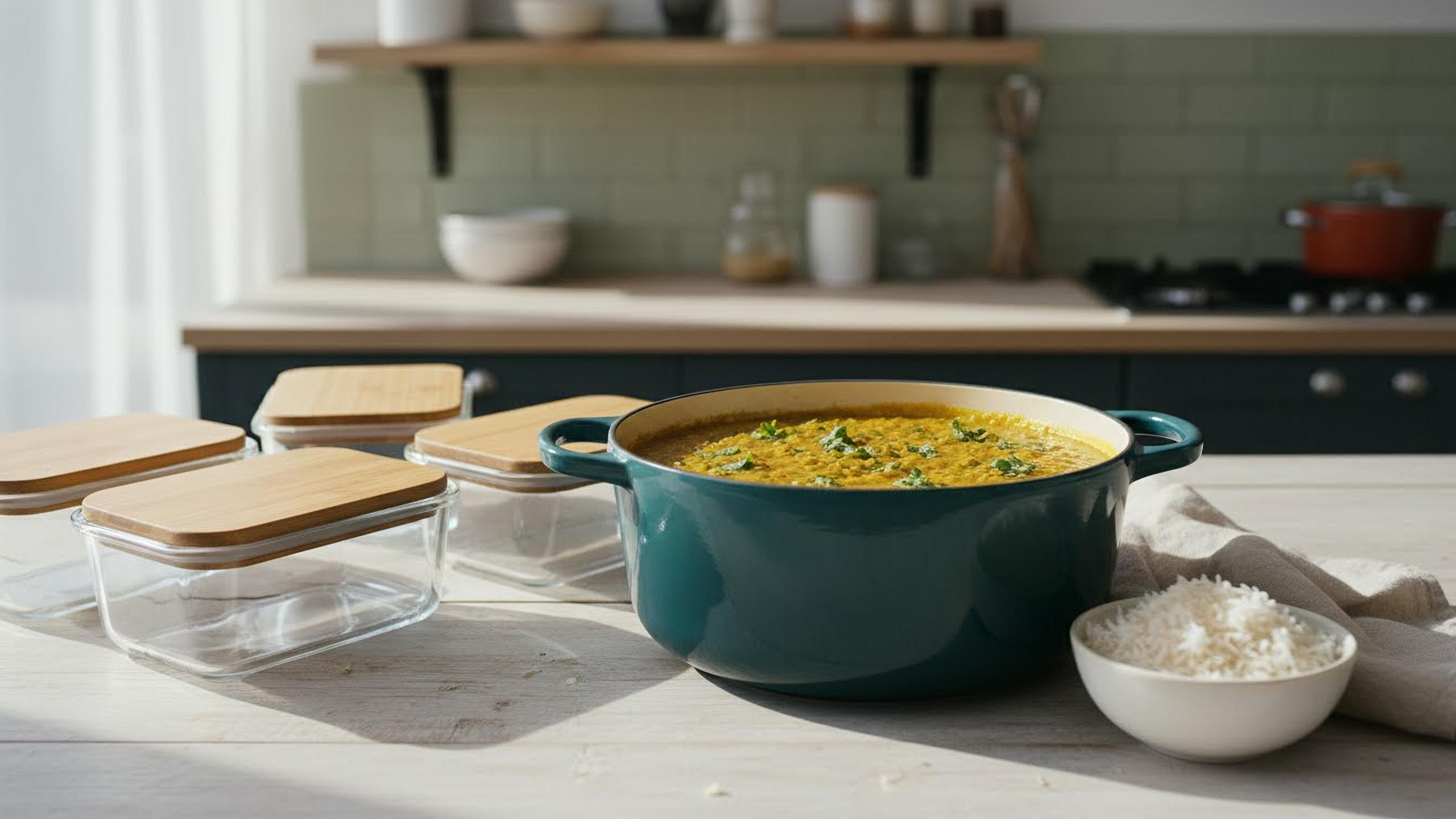
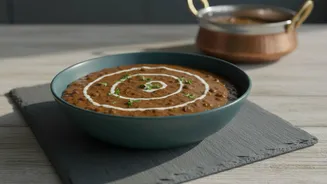
The single most effective strategy, as highlighted in the headline, is to increase the food's surface area. A large, deep pot of stew or curry holds a massive amount of heat in its core. By dividing the contents into several smaller, shallow containers, you dramatically speed up the cooling process. Think wide, flat pans rather than deep, narrow bowls. This allows heat to dissipate from the food much more evenly and quickly. Stainless steel or glass containers are often better choices than plastic as they transfer heat more effectively. Spreading rice, biryani, or roasted vegetables on a large baking sheet is another excellent way to cool them down fast before packing them away.
Active Cooling Techniques to Speed Things Up
Sometimes, shallow portions alone aren't enough, especially for liquids like soups and sauces. This is where active cooling methods come into play. One of the most popular techniques is an ice water bath. To do this, fill a larger container or your kitchen sink with ice and a small amount of water. Place your smaller pot of hot food into the ice bath, ensuring the water level isn't high enough to spill into your food. Stirring the food occasionally will help release heat faster. Another option used in commercial kitchens is a cooling paddle or ice wand—a plastic paddle filled with frozen water that you stir into the food. You can also adapt recipes by using less water initially and adding ice or cold water at the end to help bring the temperature down.
The Common Mistake: A Hot Pot in the Fridge
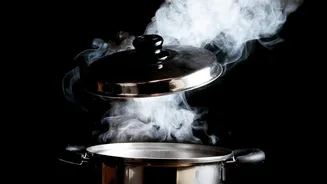
A persistent kitchen myth is that you shouldn't put hot food in the refrigerator. The real issue is not that hot food will spoil, but that a large, steaming pot can raise the internal temperature of your entire refrigerator. This puts other perishable foods, like milk and raw meat, at risk by bringing them into the temperature danger zone. Modern refrigerators are powerful, but a large heat source will still force the compressor to work overtime, wasting energy and putting unnecessary strain on the appliance. While a small container of warm food is generally fine, a huge pot of hot soup is not. It's also a food safety issue for the hot food itself, as the centre may not cool down fast enough even inside the fridge.
Proper Storage for Safe Leftovers
Once your food has cooled, proper storage is the final step. Don't seal containers tightly while the food is still releasing steam, as this can create condensation and affect the texture of your food. It's better to cover the containers loosely until they are completely cool to allow heat to escape. Once fully chilled, seal them with airtight lids. The rule of thumb is to get leftovers into the fridge within two hours of cooking. If the room temperature is high, like on a hot summer day, that window shrinks to just one hour. When stored correctly below 5°C, most leftovers are safe to eat for three to four days.