
Often misunderstood, the Seated Forward Bend is less about touching your toes and more about creating length. This guide breaks down how to achieve a healthy, neutral spine in Paschimottanasana for a deeper, safer, and more beneficial stretch.
What Exactly Is Paschimottanasana?
Paschimottanasana,
pronounced 'PASH-chee-moh-tan-AHS-anna', is a foundational seated yoga posture known in English as the Seated Forward Bend. The Sanskrit name translates to an 'intense stretch of the west' or back side of the body. This pose involves sitting with your legs extended forward and folding your torso over your legs. While it appears simple, its true value lies in the deep stretch it provides for the entire back of the body, from your heels to your head, including the hamstrings, calves, and spine. It's a calming, introspective posture that encourages you to turn your attention inward.
The Goal: A Long Spine, Not a Round One
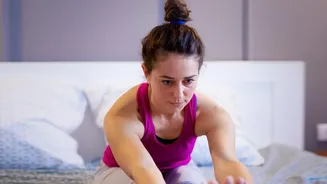
The most common mistake in Seated Forward Bend is rounding the back aggressively to force the hands to the feet. This not only puts unnecessary strain on the lower back but also shortchanges the hamstring stretch. The primary goal is to lengthen the spine by hinging forward from the hips, not from the waist. Maintaining a long, neutral spine ensures that the stretch is safely distributed along the hamstrings and helps decompress the vertebrae rather than compressing them. Think about leading with your chest and keeping the gaze forward initially to encourage this length. A flat back is more important than how far you can fold.
A Step-by-Step Guide to the Pose
Follow these steps for a safe and effective practice: 1. Start in Dandasana (Staff Pose), sitting on the floor with your legs extended straight in front of you. Sit tall on your sitting bones, perhaps moving the flesh away from them to get a firm grounding. 2. Inhale and lengthen your entire spine, lifting your arms overhead to create space in your torso. 3. Exhale and begin to hinge forward from your hip creases. Lead with your heart, keeping your back as straight as possible for as long as possible. 4. Let your hands land wherever they naturally reach without strain—on your shins, ankles, or feet. Avoid yanking yourself forward with your arms. 5. Keep your feet actively flexed, with toes pointing toward the ceiling. 6. With each inhale, you might find a little more length in your spine; with each exhale, you might be able to soften and release deeper into the fold. Hold for 30 seconds to a few minutes, breathing steadily. To release, inhale and slowly roll up, vertebra by vertebra.
Smart Modifications for Every Body
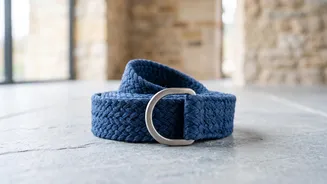
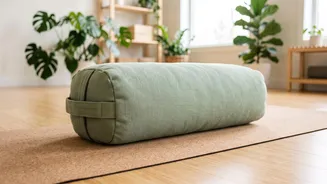
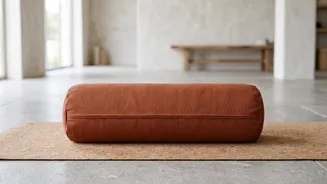
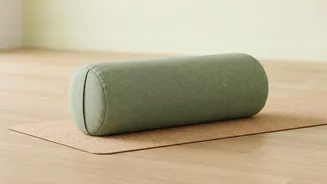
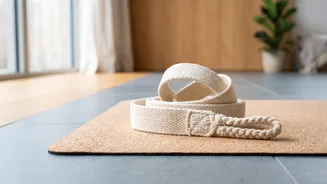
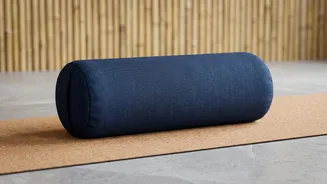
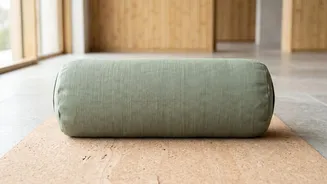
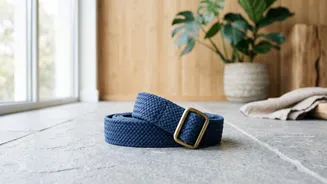
Flexibility varies from person to person and day to day. Using props isn't a sign of weakness; it's a sign of wisdom. - Elevate Your Hips: Sitting on the edge of a folded blanket or a block tilts your pelvis forward, making it much easier to hinge from the hips and maintain a long spine. - Bend Your Knees: If your hamstrings feel tight, bend your knees generously. You can even place a rolled up blanket or a bolster under them for support. This takes the pressure off your lower back and allows for a more effective hamstring stretch. - Use a Strap: If your hands don't reach your feet, loop a yoga strap or a towel around the balls of your feet. Hold the strap with both hands, keeping your arms relaxed. This extends your reach without forcing you to round your back.
The Many Benefits of Bending Forward
When practiced correctly, Paschimottanasana offers a wealth of benefits beyond flexibility. The pose is known to calm the brain, helping to alleviate stress, anxiety, and fatigue. By compressing the abdomen, it stimulates the liver, kidneys, and pancreas, which can improve digestion and regulate blood sugar levels. Regular practice also enhances blood circulation, particularly to the pelvic region, and can help relieve symptoms associated with menstruation and menopause. It is a powerful tool for stretching the spine, strengthening back muscles, and improving overall posture.
When to Be Cautious
While beneficial, this pose is not suitable for everyone. You should avoid Paschimottanasana if you have a significant spinal injury like a slipped disc, severe sciatica, or have had recent abdominal surgery. Pregnant women are also advised to avoid this deep forward fold due to the pressure on the abdomen. Those with high blood pressure should be mindful to keep their head above their heart if they practice a modified version. Always listen to your body and never push into sharp pain.