


The Great Reopening
Most of India's premier national parks and tiger reserves close their core zones during the heavy monsoon season from July to September. This annual closure allows the ecosystem to regenerate without human interference and is also a crucial breeding period
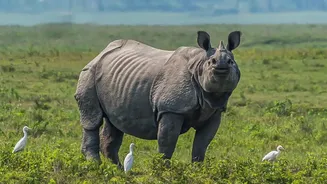
for many species. October marks the grand reopening. Parks like Ranthambore and Sariska in Rajasthan typically open their gates on October 1. Key reserves in Madhya Pradesh such as Bandhavgarh, Kanha, and Pench follow around mid-October. In Assam, Kaziranga and Manas National Parks also welcomed visitors in early October 2026. This reopening means you are among the first to explore the forests after a three-month hiatus, offering a fresh start to the safari season.
A Lush, Rejuvenated Paradise
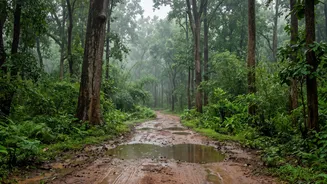
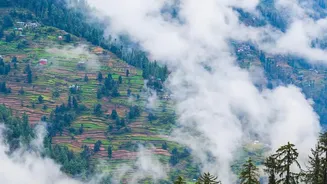
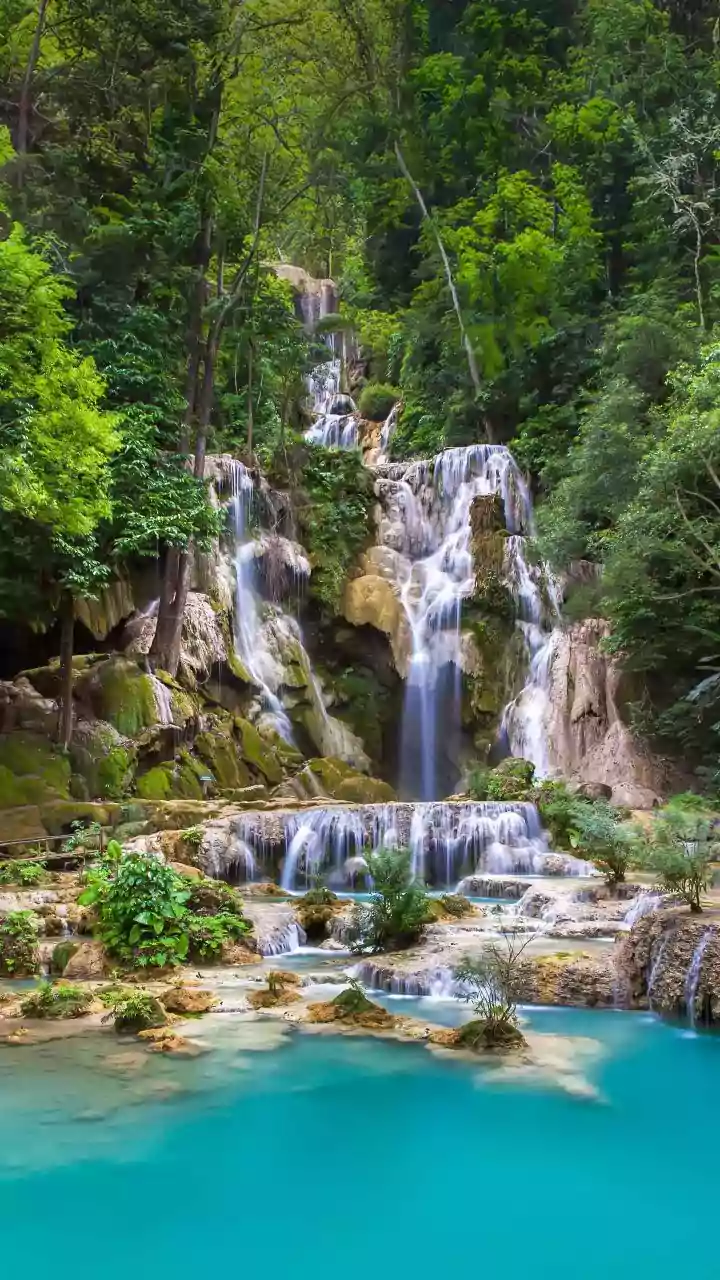
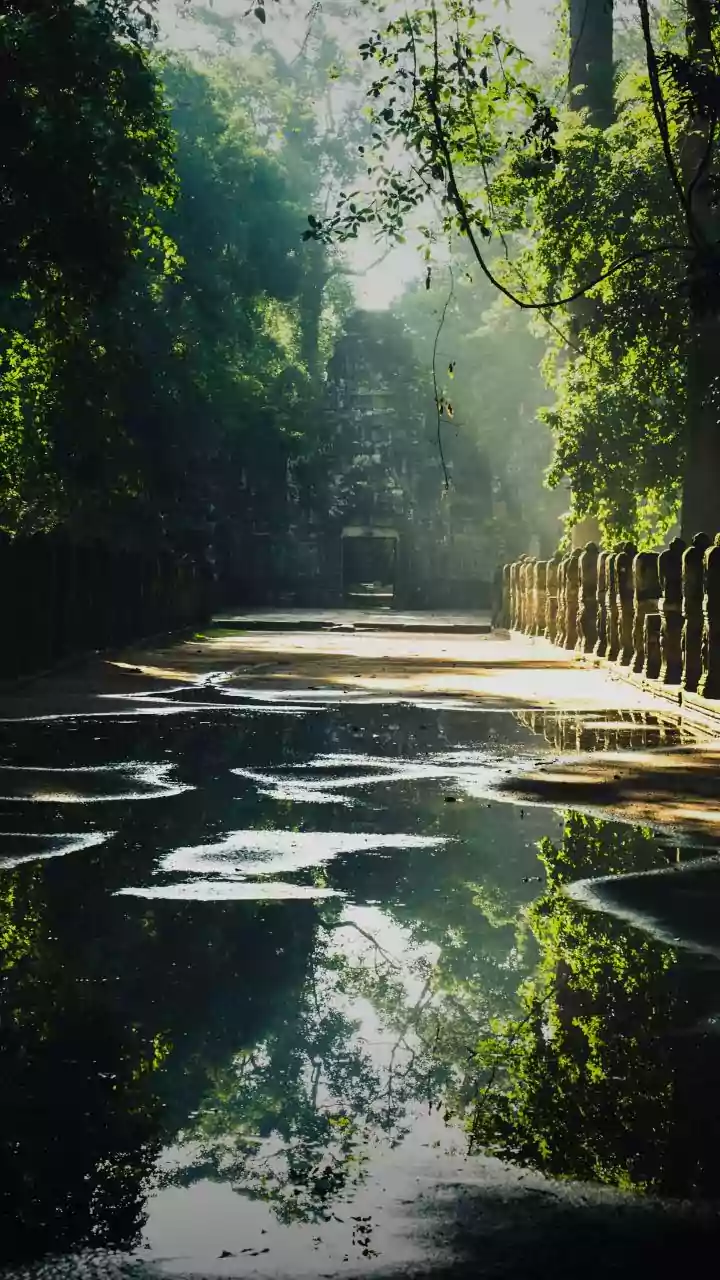
The monsoon leaves the forests incredibly lush and vibrant. October visitors are treated to stunning landscapes of dense greenery, full water bodies, and clean, crisp air. This post-monsoon beauty makes for breathtaking photography and a deeply atmospheric safari experience. The vegetation is thick and the forests are at their most visually stunning. While the dense foliage can sometimes make spotting animals a little more challenging than in the dry summer months, the sheer beauty of the flourishing jungle is a significant reward in itself. Rivers and lakes are full, reflecting the clear blue skies that dominate the month.
Pleasant Weather for Exploration
After the heat of summer and the humidity of the monsoon, October brings wonderfully pleasant weather to most of India. Daytime temperatures are comfortably warm, often hovering between 20°C and 30°C, without the scorching intensity of the pre-summer months. The mornings and evenings can be cool and misty, perfect for a cozy jeep safari, while the days are sunny and bright. This comfortable climate makes it easier to spend long hours in an open safari vehicle, fully immersing yourself in the experience without battling extreme temperatures.
Active Wildlife and Abundant Water
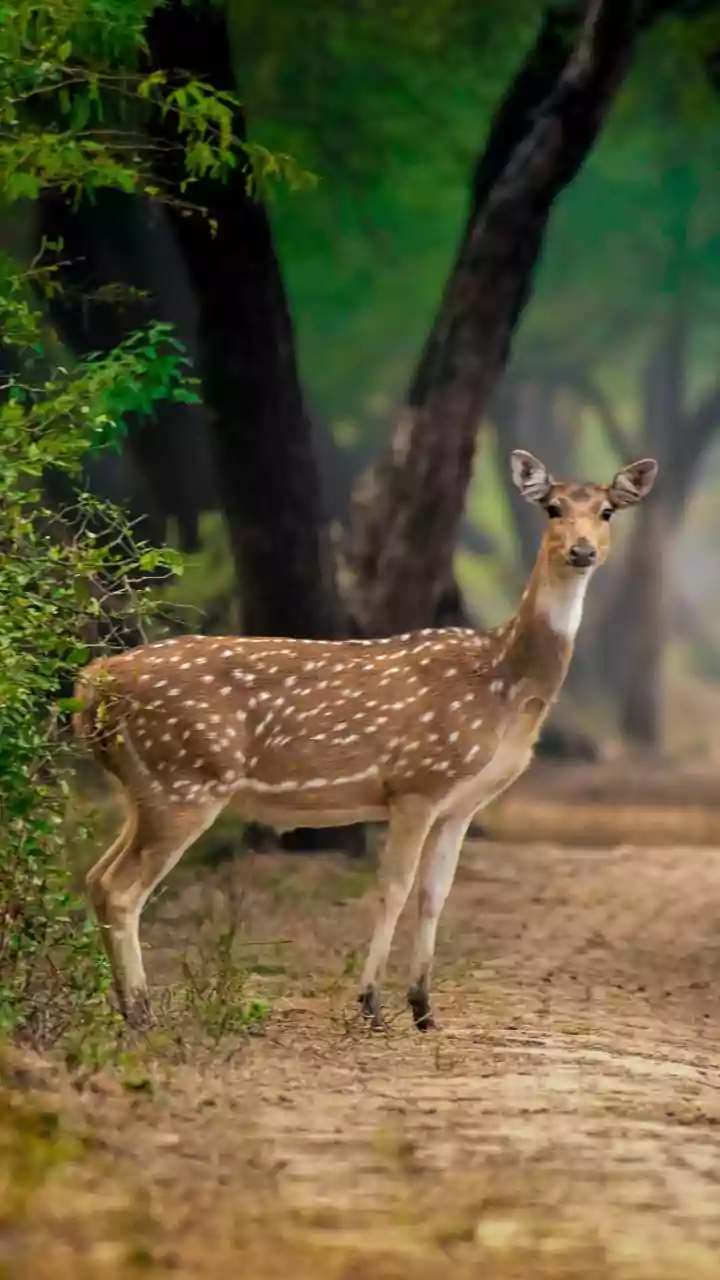
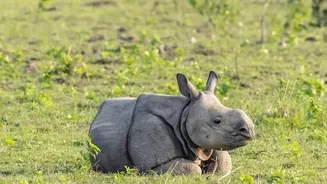
With water sources plentiful across the parks after the rains, animals are more dispersed than in the peak of summer when they congregate around a few remaining waterholes. However, this doesn't mean sightings are poor. The post-monsoon period is a time of abundance, and animals are active and thriving. The cooler temperatures mean they may be active for longer periods during the day. You can find young animals born during the monsoon exploring their surroundings. In parks like Bandipur, large herds of elephants come out to enjoy the fresh weather. The combination of a revitalized habitat and active fauna makes for dynamic viewing opportunities.
A Birdwatcher's Dream
For birding enthusiasts, October is an exceptional month. It marks the beginning of the migratory season, where numerous species arrive in India for the winter. The wetlands and forests, replenished by the monsoon, provide a rich habitat for both resident and migratory birds. Parks like Keoladeo National Park in Rajasthan, Kaziranga in Assam, and the Sundarbans in West Bengal become hotspots for birdwatching. The lush environment is teeming with insects and aquatic life, providing a bountiful feast that attracts a stunning variety of avian life.
Shoulder Season Benefits
While October marks the start of the peak tourist season (which generally runs until March), the early part of the month is still considered a 'shoulder' period. This often translates to fewer crowds compared to the rush in November and December. With fewer safari vehicles in the parks, you might enjoy a more serene and personal encounter with wildlife. Furthermore, you may find better availability and pricing for flights and accommodations before the peak season demand fully kicks in, making it a savvy time to plan your trip.