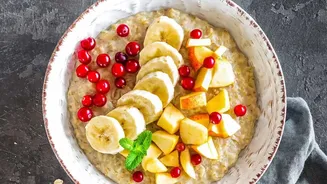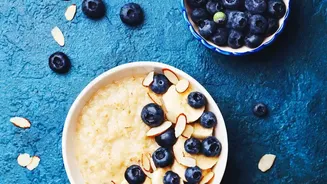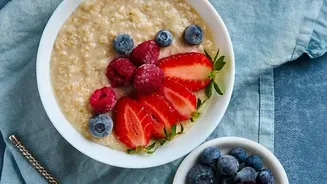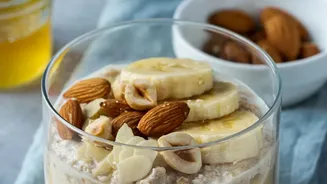



Kuttu Ka Cheela (Buckwheat Pancake)
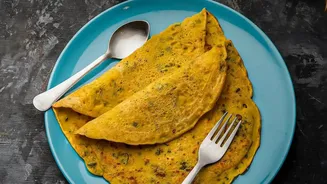
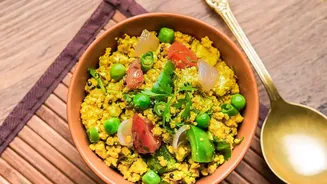
Move over, oily kuttu puris. The kuttu ka cheela is a lighter, quicker, and healthier alternative for a fulfilling start to your fasting day. Kuttu, or buckwheat flour, is a mainstay in vrat kitchens and is naturally gluten-free and packed with nutrients.
This savoury pancake is made by creating a batter of kuttu flour, water, and sendha namak (rock salt). To make it more wholesome, you can add grated vegetables like lauki (bottle gourd) or mashed boiled potato, which also helps in binding the batter. Spiced with finely chopped green chillies and roasted cumin powder, the batter is pan-fried with a little ghee until golden and crisp. It cooks in minutes, is easy on the stomach, and provides steady energy, making it an ideal breakfast to keep you going through morning rituals. Pair it with a simple vrat-friendly mint or coconut chutney for a complete meal.
Rajgira Paratha (Amaranth Flatbread)
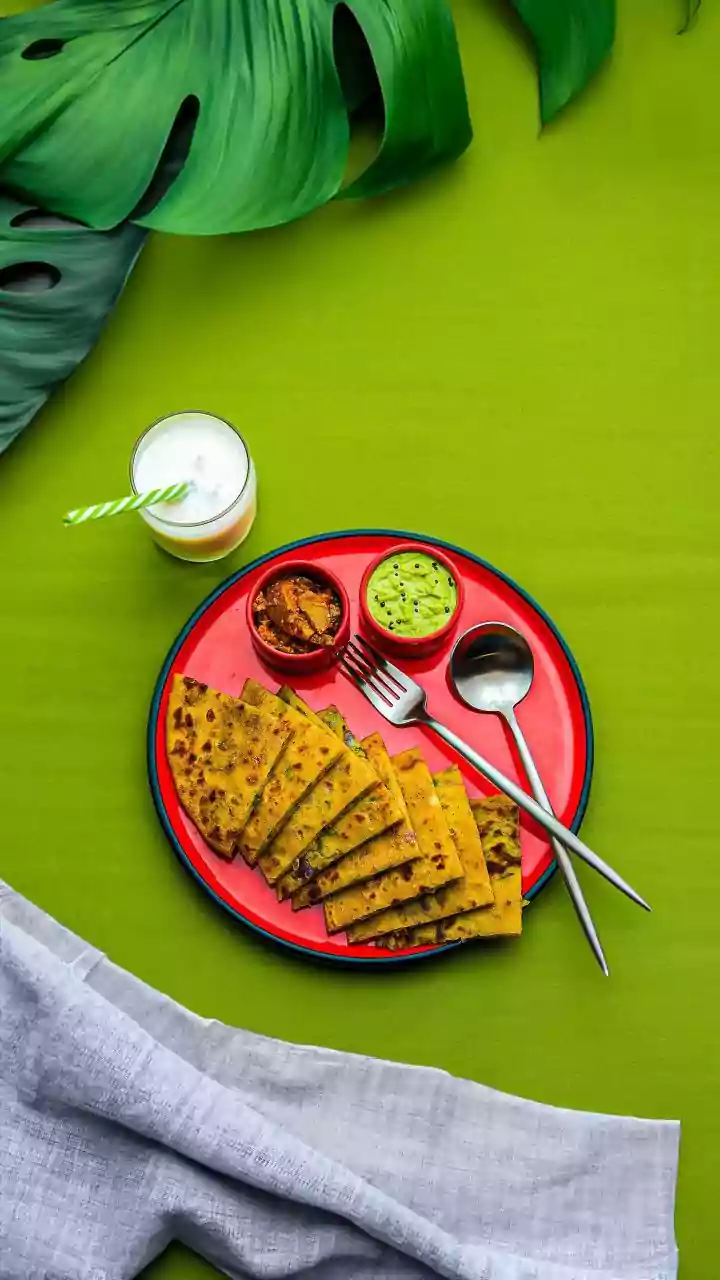
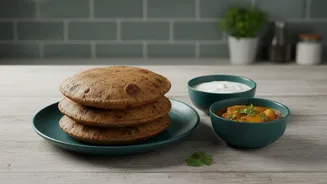
If you're looking for a breakfast that feels substantial and keeps you full for longer, the Rajgira Paratha is an excellent choice. Rajgira, or amaranth flour, is a nutrient-dense pseudo-cereal that is perfect for fasting. Unlike puris, these parathas can be cooked on a tawa with minimal ghee. The dough is typically prepared by mixing rajgira flour with mashed boiled potatoes, which acts as a fantastic binding agent and makes the parathas soft. Seasoned with rock salt, black pepper, and fresh coriander, the dough is gently rolled out and cooked until golden-brown spots appear on both sides. This paratha has an earthy, nutty flavour that pairs beautifully with a simple bowl of plain curd or a light, vrat-friendly aloo sabzi. It’s a wholesome, gluten-free option that provides sustained energy.
Samak Ke Chawal Idli (Barnyard Millet Steamed Cakes)
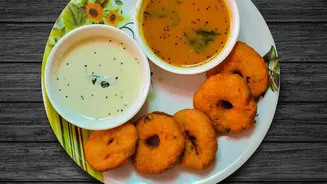
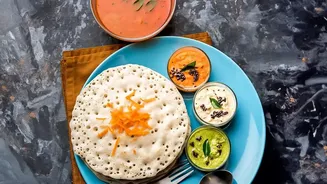
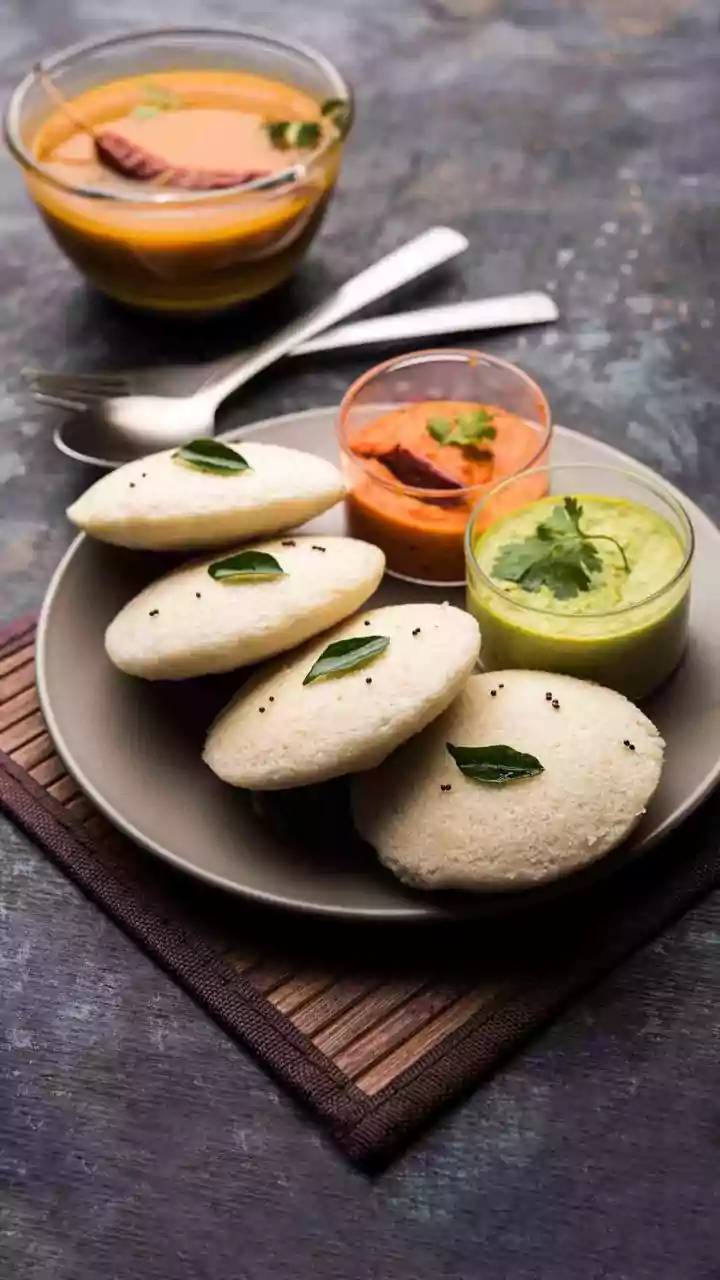
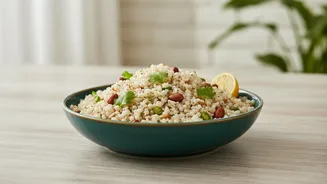
For those who crave a light, steamed, and savoury breakfast, Samak ke Chawal Idli is a brilliant South Indian-inspired solution for your vrat mornings. Samak ke chawal, also known as barnyard millet, is a permitted grain substitute during fasts like Sawan and Navratri. To make these idlis, samak rice is soaked and ground into a batter, sometimes with a small amount of sabudana to improve the texture. The batter is then allowed to ferment for a few hours or overnight, which makes the idlis soft, fluffy, and easy to digest. Just before steaming, a pinch of baking soda or fruit salt can be added to make them even lighter. These steamed cakes are incredibly light on the stomach and can be served with a simple coconut chutney made without onion or garlic.
Makhana Kheer (Fox Nut Pudding)
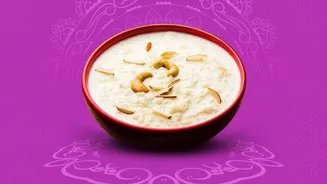
If you prefer a sweet and comforting start to your day, Makhana Kheer is a wonderful choice that is both indulgent and vrat-approved. Makhana, or fox nuts, are rich in calcium and a popular ingredient in satvik cooking. This kheer is much lighter than rice or sabudana-based versions. The preparation is simple: makhana are lightly roasted in ghee until crisp, then simmered in milk until they soften and the milk thickens. The kheer is typically sweetened with sugar and flavoured with green cardamom powder and a few strands of saffron. You can also add chopped nuts like almonds and pistachios for extra richness and texture. It can be served warm or chilled and provides a gentle, nourishing start to a day of fasting.
Fresh Fruit Chaat with Creamy Curd
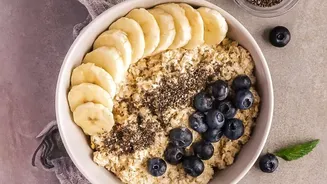
Perhaps the simplest and most refreshing breakfast is a vibrant bowl of fruit chaat. During Sawan, when the body's digestive system can be sluggish, starting the day with fresh fruits is a light and hydrating option. You can use a mix of vrat-approved seasonal fruits like bananas, apples, papaya, and pomegranate seeds. To make it more interesting and substantial than just plain fruit, create a simple dressing. Whisk together fresh curd (dahi), a pinch of sendha namak, a sprinkle of roasted cumin powder, and a dash of black pepper. Pour this dressing over the chopped fruits and mix gently. The creamy curd adds protein and a satisfying tang, turning a simple fruit bowl into a more complete and energising morning meal that requires no cooking at all.