





The Art of Travelling Slowly
Forget checklists and jam-packed itineraries. Slow travel is a mindset focused on connection over consumption. It means spending more time in one place, immersing yourself in the local culture, food, and music. This movement, born from the “slow food”
campaign in Italy, encourages travellers to reject conventional tourism for more authentic and sustainable experiences. The goal is not to see as much as possible, but to experience a single place deeply, which helps avoid the burnout that often follows a fast-paced holiday. It’s about creating lasting memories by being present, rather than just passing through.
Why the Hills Are Calling
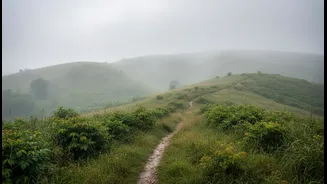
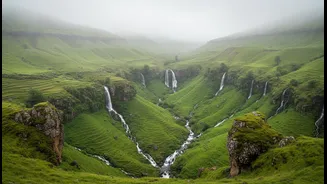
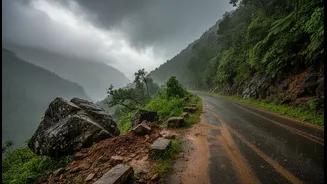
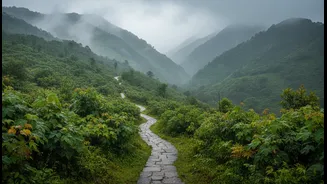
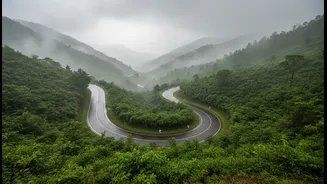
India’s mountains, with their inherent tranquility and distinct pace of life, are uniquely suited for slow exploration. The natural landscape encourages a more deliberate rhythm—think long walks instead of quick drives, and mornings spent watching the mist clear over valleys. These regions are often home to unique cultures that have been preserved for generations. Slow travel in the hills allows for genuine interactions that are lost in crowded tourist hubs. By choosing to stay longer, travellers can support local economies more directly, from small homestays to local artisans, ensuring that tourism benefits the community.
Himalayan Retreats: Homestays and Heritage
The Himalayas offer countless opportunities to slow down. In states like Uttarakhand and Himachal Pradesh, entire villages are opening up to mindful travellers. Places like Almora, Kanatal and the Pabbar Valley provide an escape from bustling tourist centres, offering a chance to live alongside local communities. Homestays in the Kumaon region or remote valleys like Spiti allow you to experience life as the locals do, sharing home-cooked meals and stories. These stays are not about luxury in the traditional sense, but about the richness of authentic experience, from waking up to views of snow-capped peaks to learning about ancient traditions.
Southern Serenity: Plantations and Ghats
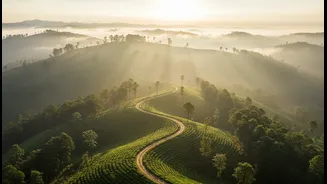
The rolling hills of South India offer a different, yet equally compelling, version of slow travel. In the Western Ghats of Kerala and Karnataka, life revolves around verdant coffee, tea, and spice plantations. Destinations like Wayanad and Coorg are dotted with homestays set amidst these plantations, where days are measured by the cycle of nature. Travellers can learn about coffee harvesting, explore biodiverse forests, and enjoy the quietude of the mountains. This form of eco-tourism is vital, as it promotes sustainable practices in an ecologically sensitive and globally recognized biodiversity hotspot.
The Undiscovered Northeast
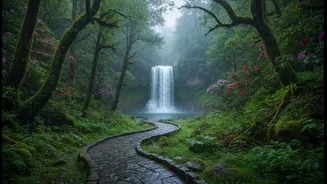
For the truly adventurous slow explorer, India’s Northeast is a treasure trove of pristine landscapes and vibrant, lesser-known cultures. In villages like Mawlynnong in Meghalaya, acclaimed as one of Asia's cleanest, community-based ecotourism is a way of life. Further afield, places like Dzongu in Sikkim, a special reserve for the Lepcha tribe, offer deep cultural immersion away from any tourist trail. Destinations such as the Dzukou Valley in Nagaland or Tawang in Arunachal Pradesh reward those willing to travel further with unparalleled serenity and a glimpse into worlds untouched by mass tourism.