

The Great Indian Kitchen Makeover
For generations, the Indian diet was built on a foundation of cereals, pulses, and seasonal vegetables, varying from region to region. However, a significant transformation is underway. Diets are evolving over time, influenced by factors like income,
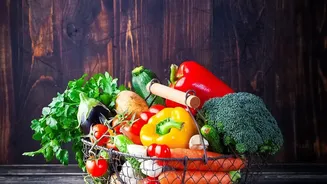
prices, individual preferences, and cultural traditions. There's a clear move away from a diet dominated by basic foodgrains toward one that is more diverse, including higher-value foods like fruits, vegetables, dairy, and animal protein. This shift reflects not just changing tastes, but also deeper economic and social changes sweeping across the country.
The Urban Pulse and the Need for Speed
Urbanization is a primary driver of this dietary shift. As more Indians move to cities, they face fast-paced environments with long commutes and demanding work hours, which shrinks the time available for traditional, elaborate cooking. This has created a massive demand for convenience. Ready-to-eat meals, quick-commerce services delivering groceries in minutes, and processed snacks are no longer niche products but staples in many urban households. The rise of dual-income families and more women entering the workforce further accelerates this trend, making quick and easy meal solutions a necessity rather than a luxury.
More Money, New Tastes
Growing disposable incomes have also empowered consumers to diversify their food choices. With more purchasing power, many are spending more on food and are willing to experiment. This has led to increased consumption of animal products, fruits, and processed convenience foods. The food processing sector in India is projected to become a US$600 billion industry by 2030, driven by this consumer-centric, value-focused growth. People are not just buying more food, but different kinds of food, including premium products that were once considered unaffordable.
The Convenience Revolution
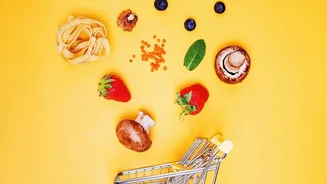
The demand for convenience has fueled a boom in the packaged and processed food industry, which is projected to grow significantly. This market's expansion is supported by wider distribution networks and the explosive growth of e-commerce and quick commerce platforms. These services have fundamentally reshaped consumption patterns, especially in cities. However, this shift comes with nutritional consequences. The transition towards high-calorie, nutrient-poor foods is contributing to rising rates of obesity and non-communicable diseases.
A Counter-Trend: Health and Heritage
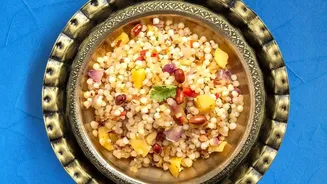
Even as convenience drives one part of the market, a powerful counter-trend focused on health and wellness is also emerging. A growing number of consumers are becoming more aware of how nutrition impacts overall wellbeing, from gut health to sleep quality. This has sparked renewed interest in traditional, 'forgotten' grains like millets (jowar, bajra, ragi), which were once staples before the Green Revolution prioritized rice and wheat. Recognized for their high fibre content and resilience to climate change, millets are now being marketed as 'superfoods' and are appearing in modern formats like breakfast cereals, cookies, and dosa mixes. This revival represents a unique blend of tradition and modern health consciousness, proving that India's food future may also involve a return to its roots.