


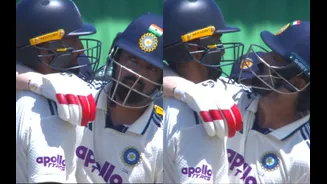

The Dawn of the Gill Era
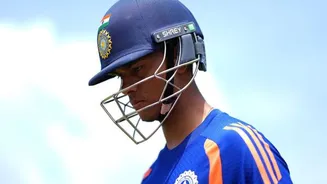
Shubman Gill's ascension to the captaincy is not a matter of 'if' but 'when' and 'how'. He was appointed Test captain in May 2025, succeeding Rohit Sharma, and took over the ODI leadership in October 2025. This move was a clear signal from the selectors,
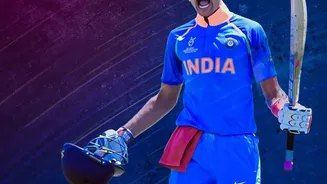
a strategic pivot towards the future with an eye on the 2027 World Cup. The transition marks a significant changing of the guard, moving on from the era dominated by Rohit Sharma and Virat Kohli. Gill, who had already captained India in a T20I series against Zimbabwe and led India C in a Deodhar Trophy final at just 20, was identified early as a leader. His promotion was seen as a move to instill stability and create a clear, long-term vision for the team under a single guiding force.
A Trial by Fire: Leading from the Front
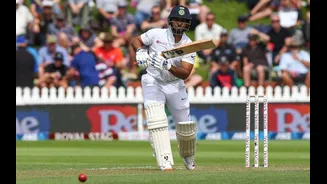
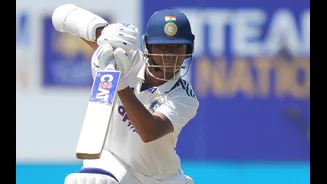
Any doubts about Gill's readiness were emphatically addressed during his first major assignment: the 2025 Test series in England. After losing the first match, the pressure was immense, but Gill responded phenomenally. He amassed a staggering 754 runs in the series, including four centuries, to lead India to a hard-fought 2-2 draw. This performance broke Graham Gooch's 35-year-old record for the most runs in an India-England Test series. Not only did he thrive with the bat, but his captaincy also earned praise. He led India to its first-ever Test victory at Edgbaston, a historic achievement. The numbers since he took charge are extraordinary; in 15 innings as Test captain, he has scored over 1,000 runs at an average north of 82, second only to the legendary Don Bradman among captains with at least 1,000 runs. The captaincy, it seems, has unlocked an even better version of Shubman Gill the batsman.
Lessons in Leadership
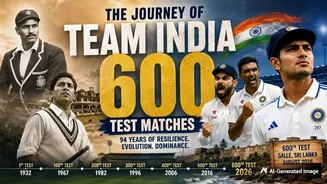
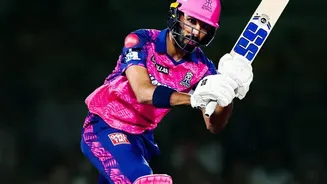
Gill’s leadership style has been described as calm and composed, with an ability to lead by example. His teammates at Gujarat Titans, whom he has captained in the IPL, have noted a visible improvement and maturity in his approach, balancing aggression with composure. He has successfully guided the franchise to the playoffs, joining an elite list of captains like Virat Kohli and Sachin Tendulkar to score over 500 runs in multiple seasons as a skipper. However, the top job is not without its challenges. There has been scrutiny, particularly when the team's batting has appeared over-reliant on its top order. More recently, he had a difficult outing in the first Test against Sri Lanka in August 2026, getting out cheaply in both innings to left-arm spinner Prabath Jayasuriya, highlighting a potential vulnerability. It was a stark reminder that leadership at the highest level involves navigating personal form slumps while shouldering the team's expectations.
The Verdict: India's Right Choice?
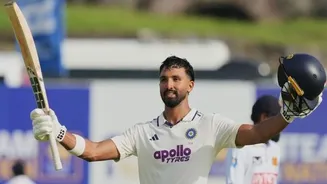
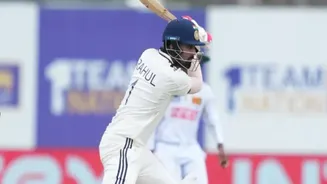
Based on the evidence, the answer is a resounding yes. Appointing Gill was a forward-thinking decision that has, so far, paid rich dividends. He has not just managed the immense pressure but has elevated his own game, proving that the responsibility fuels him. While other talented leaders like KL Rahul, Rishabh Pant, and Jasprit Bumrah were also in contention, Gill's combination of youth, sublime talent, and a calm head made him the ideal candidate for a long-term project. Pundits like Herschelle Gibbs and Irfan Pathan backed his appointment early on, seeing in him the qualities of a modern leader. He has demonstrated tactical acumen in the IPL and, more importantly, inspirational leadership with the national side. The rare failures, like the one in Galle, are not signs of the wrong choice but necessary hurdles in a young captain's journey. They offer crucial learning experiences that will ultimately forge a stronger leader.