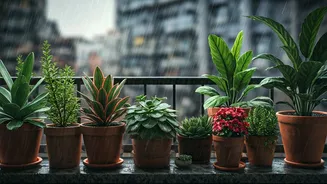





Let the Roots Breathe
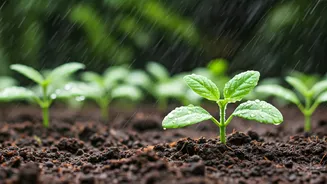
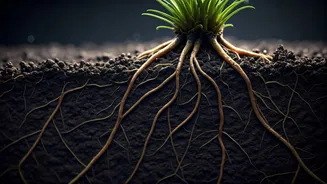
The monsoon's heavy downpours, while welcome, can be a double-edged sword. They can compact the soil in pots and garden beds, effectively suffocating your plant's roots. When soil becomes waterlogged, it cuts off the oxygen supply, creating an environment
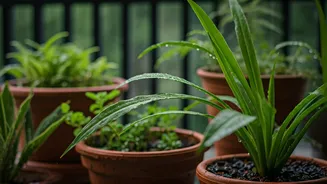
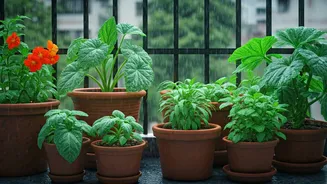
where root rot can thrive. To prevent this, focus on aeration. For potted plants, gently poke deep holes into the soil using a chopstick or a thin skewer, staying clear of the main stem. This simple action creates channels for air to penetrate and for excess water to drain away. Ensure all pots have clear drainage holes and consider placing them on bricks or stands to prevent them from sitting in stagnant water.
Rethink Your Watering Schedule
It may seem counterintuitive to worry about watering during the rainy season, but overwatering is one of the biggest dangers to plants in July. The combination of frequent rain and high humidity means the soil stays moist for longer. Always check the soil before reaching for the watering can. A good rule is to stick your finger an inch or two into the topsoil. If it feels moist, hold off on watering. Plants will often get all the hydration they need from the rain itself. Watering when the soil is already saturated is a direct invitation to fungal diseases and the dreaded root rot.
Manage Nutrients Wisely
Just as heavy rains can suffocate roots, they can also wash away essential nutrients from the soil, a process known as leaching. This leaves your plants hungry despite the lush surroundings. However, this doesn't mean you should fertilize aggressively. Chemical fertilizers can be easily washed away during a downpour or can even burn the roots in waterlogged soil. The smarter approach is to use slow-release organic options like compost or vermicompost. These enrich the soil structure, improve drainage, and provide a steady supply of nutrients without overwhelming the plants. A light monthly application is often sufficient during the monsoon.
Use Mulch as a Protective Shield
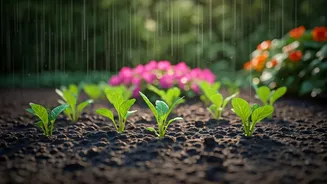
Mulching is a gardener's best friend during the monsoon. Applying a layer of organic mulch, such as dried leaves, wood chips, or straw, over the soil surface serves multiple purposes. It prevents the forceful impact of heavy raindrops from compacting the soil and causing erosion that washes away topsoil. Mulch also helps regulate soil temperature, suppresses the growth of opportunistic weeds that thrive in wet conditions, and can prevent soil-borne diseases from splashing onto plant leaves. Be careful not to pile mulch directly against the plant stems, as this can trap moisture and encourage rot.
Guard Against Invisible Threats
The damp, humid conditions of July are a perfect breeding ground for fungal infections and soil-borne pests. Prevention is far better than cure. Ensure good air circulation around your plants by avoiding overcrowding and pruning excess foliage where necessary. You can proactively treat the soil with natural fungicides. A periodic spray of a diluted neem oil solution on both the plant and the soil surface can help keep many common pests and fungal issues at bay. Keeping a close watch for the first signs of trouble, like yellowing leaves or a foul smell from the soil, allows you to act quickly before the problem spreads.