



Embrace Your Core Staples
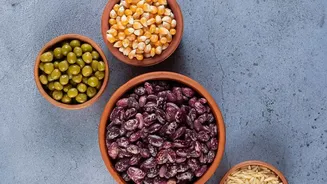
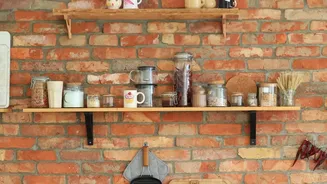
The foundation of an efficient kitchen is a well-stocked pantry of versatile staples. For most Indian households, this isn't a new concept, but one worth formalizing. These are the ingredients you can build almost any meal around. Think of items like
onions, tomatoes, ginger, and garlic, which form the base of countless dishes. Add to this list potatoes, lentils (like toor and moong dal), chickpeas, rice, and whole-wheat flour. Your spice box is also a crucial part of this core: turmeric, cumin seeds, coriander powder, and garam masala are non-negotiable. Having these items on hand at all times means you're never starting from scratch. It dramatically reduces the length of your weekly shopping list and empowers you to whip up a meal even when you haven't had time for a big grocery run.
Focus on Method, Not Just Recipes
The real magic of ingredient overlap comes from changing how you cook, not just what you cook. The same set of ingredients can produce dramatically different meals when you switch up the cooking method. Take the humble potato, for example. On Monday, it can be boiled and mashed into a simple palya or sabzi. On Wednesday, those same potatoes can be cubed and roasted at high heat until crispy for a side dish. By Friday, you could slice them thinly and pan-fry them with spices to make a quick snack. The ingredient is the same, but the experience is completely different. Apply this thinking to your base of onions and tomatoes. A slow-cooked, pureed bhuna creates a rich gravy for a curry. But if you quickly stir-fry them on high heat, they provide a fresh, crunchy texture for a stir-fry or a filling for a wrap.
The 'Staples + 3' Shopping Strategy
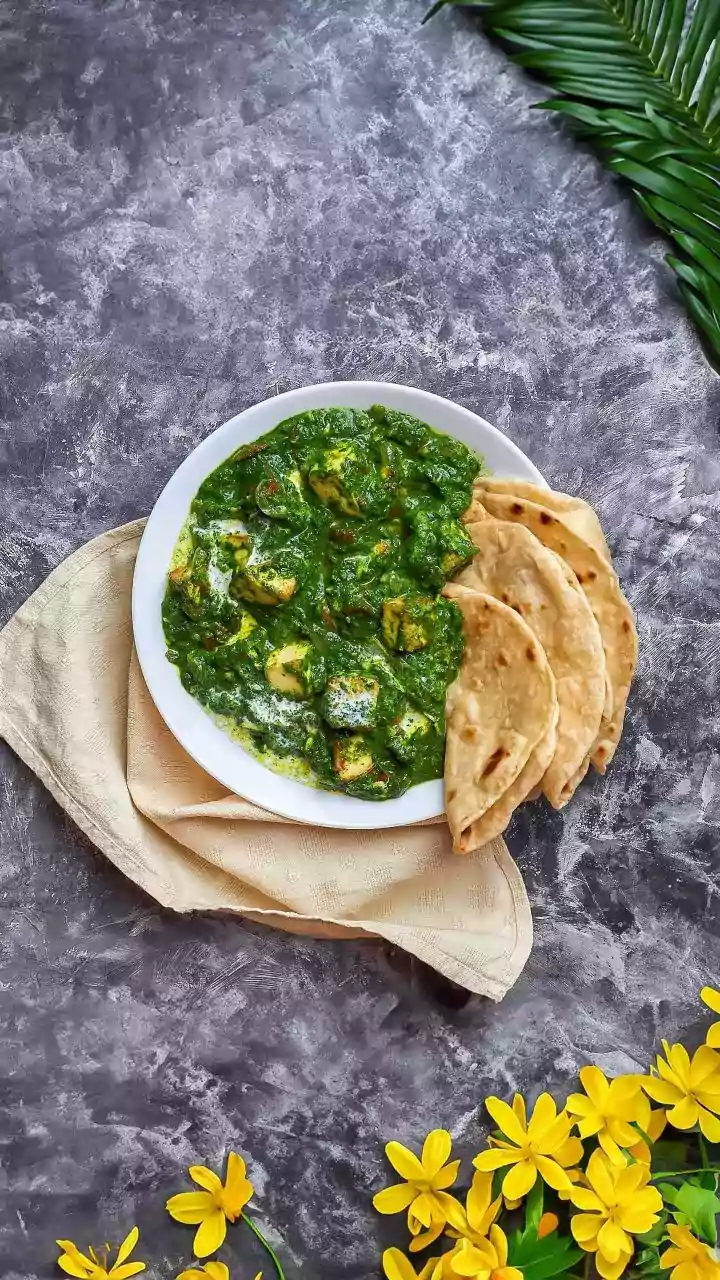
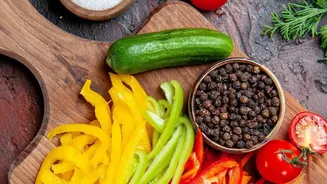
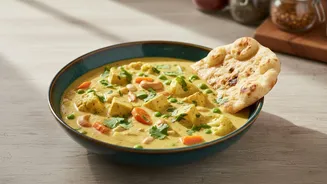
To make this system work, adopt a minimalist shopping strategy. When you go to the store, your goal is to buy your core staples plus a maximum of three 'hero' ingredients for the next few days. These heroes provide variety and freshness. For instance, your three items could be a block of paneer, a bunch of spinach, and some bell peppers. This is where the plan connects. With these three items and your existing staples, the possibilities multiply. The paneer can be scrambled into a bhurji for one meal and cubed for a matar paneer another day. The spinach can be wilted into your dal or blended into a palak paneer. The bell peppers can be sliced into a quick stir-fry with onions or added to a mixed vegetable curry.
A Sample Week in Action
Let’s see how this works practically. Imagine you bulk-cook some chicken or chickpeas on Sunday, seasoning them simply with salt, pepper, and garlic powder. Meal 1: Combine the pre-cooked chicken/chickpeas with your staple onions, tomatoes, and spices to create a quick homestyle curry, served with rice. Meal 2: Two days later, take more of the cooked chicken/chickpeas and toss them with chopped fresh vegetables, like cucumber and tomatoes from your fridge, for a hearty salad or to fill a wrap. * Meal 3: Towards the end of the week, shred the remaining chicken or mash the chickpeas, mix with boiled potatoes and spices, form into patties, and pan-fry for simple tikkis or cutlets. In each case, the core protein was ready to go, and you simply combined it with your staples and a few fresh additions in different ways. This approach, sometimes called cross-utilization, is used by professional kitchens to reduce waste and increase efficiency.
Prep and Store for Success
A little prep goes a long way. On the weekend, consider making a large batch of ginger-garlic paste. You can also chop a few days' worth of onions and store them in an airtight container in the fridge. Some home cooks even prepare a basic masala base (sautéed onion, tomato, ginger, garlic) and freeze it in portions. When it's time to cook, you just need to add your main vegetable or protein and final spices. This front-loads the effort and transforms weekday cooking from a chore into a quick assembly job. By planning to use what you buy across several meals, you ensure ingredients are used up while they are still fresh, drastically cutting down on food waste and saving a significant amount of money over time.