







Understanding Your Wild Yeast Starter
Before you begin, it’s helpful to know what a sourdough starter actually is. Unlike commercial yeast that comes in a packet, a starter is a living colony of wild yeast and beneficial bacteria captured from the environment—specifically, from your flour
and the air in your kitchen. This symbiotic culture ferments the flour and water you feed it, creating the natural leavening that makes bread rise and gives sourdough its signature tangy flavour. Nurturing a starter is like keeping a very low-maintenance pet; it just needs regular feeding to stay alive and active. The process is a slow fermentation, which can make the resulting bread easier to digest for some people.
Choosing the Right Indian Flour
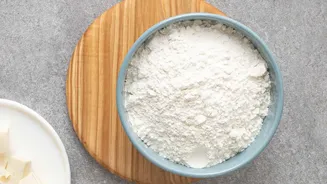
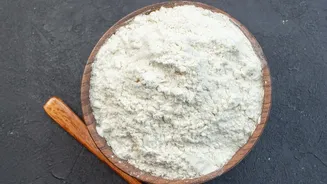
The flour you choose is the most critical decision. Luckily, Indian kitchens are already stocked with great options. You can successfully use atta (whole wheat flour), maida (refined flour), or a blend of both. Whole wheat atta is packed with nutrients and microbes on its bran, which can make your starter more active and robust, especially in the beginning. However, Indian chakki-milled atta is very finely ground, and the heat from stone milling can damage some starches and proteins, which can sometimes result in a denser loaf if used alone. Maida, being refined, will give you a lighter-coloured starter and a less dense bread, but it has fewer nutrients to feed the yeast. Many bakers find success with a 50:50 blend of atta and maida, getting the best of both worlds: the activity of whole wheat and the lighter texture of refined flour. Specialty flours like Khapli (Emmer wheat) or Lokwan can also be used for unique flavours.
Creating Your Starter: A Day-by-Day Guide
Patience is key here. The process takes about a week, but the daily effort is minimal. Day 1: In a clean glass jar, mix 50 grams of your chosen flour (atta or a blend) with 50 grams of lukewarm filtered water. Stir until no dry bits remain. The consistency should be like a thick paste. Cover loosely with a lid or cloth and leave it on your counter. Day 2: You may or may not see bubbles. Don't worry either way. Stir it and leave it for another 24 hours. Days 3-7: Now, the feeding routine begins. Each day, you will "discard" about half of your mixture and then feed the remainder. To do this, remove all but about 50 grams of the starter. Add 50 grams of fresh flour and 50 grams of water to the jar and mix well. This regular feeding strengthens the yeast culture. By day 7, your starter should be bubbly, active, and have a pleasantly sour, yeasty aroma. It should roughly double in volume a few hours after feeding.
Managing Your Starter in a Warm Climate
India's warm and often humid climate is a double-edged sword. While warmth makes yeast very active, high heat (above 30°C) can cause your starter to ferment too quickly, becoming exhausted and acidic before you get a chance to use it. The yeast activity can slow down significantly in temperatures over 40°C. To manage this, adjust your feeding schedule. Instead of one feed a day, you might need two. Another effective trick is to change the feeding ratio. Instead of 1:1:1 (starter:flour:water), try a 1:2:2 or even 1:5:5 ratio. This gives the yeast more food to get through, slowing down the fermentation process. Using cool or even chilled water for feeding can also help regulate the temperature. If your kitchen is very warm, the refrigerator is your best friend. You can store your mature starter in the fridge and feed it just once a week.
Troubleshooting Common Issues
Is there a layer of dark liquid on top? This is called "hooch," and it's a sign your starter is hungry. Just stir it back in or pour it off, and feed your starter as usual. If your starter smells like acetone or vinegar, it's a sign that it is over-fermented and needs more frequent feeding or a larger feeding ratio. If you see no activity after a few days, don't give up. Find a slightly warmer spot in your home and ensure you are using filtered water, as the chlorine in some tap water can inhibit yeast growth. A sluggish starter in a hot climate might paradoxically be suffering from too much heat, so moving it to a cooler spot could revive it.