




The Wisdom of Seasonal Eating
For generations, Indian kitchens have followed a philosophy of eating with the seasons. Winter sweets are not just about indulgence; they are functional foods designed to nourish the body and provide warmth. According to Ayurveda, our digestive fire ('agni')
is strongest in winter, allowing us to better process richer, nutrient-dense foods. Traditional sweets leverage this by using ingredients like ghee, jaggery, whole grains, nuts, and seeds. These components are chosen for their warming properties and ability to provide sustained energy, a stark contrast to modern processed treats that often provide a quick sugar rush followed by a crash, with little to no nutritional benefit.
Gond ke Laddu: The Energy Powerhouse
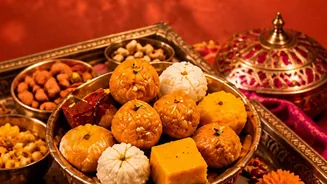
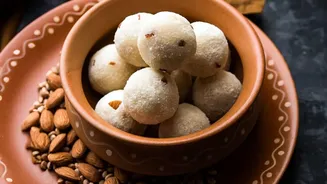
A classic winter staple, especially in North and West India, is the Gond ke Laddu. The star ingredient is 'gond', or edible gum, a natural resin from the acacia tree. When roasted in ghee, gond puffs up into crunchy, light crystals. It is traditionally known for its warming properties, helping the body retain heat in cold weather. These laddus are packed with ghee, whole wheat flour, and a generous mix of nuts and seeds, making them a powerhouse of energy. They are renowned for boosting immunity, strengthening bones, lubricating joints, and are often recommended to new mothers to aid in post-delivery recovery.
Gajar ka Halwa: A Healthier Classic
No Indian winter feels complete without a warm bowl of Gajar ka Halwa. While this carrot-based dessert is universally loved, its health quotient depends entirely on its preparation. The traditional, more wholesome version steers clear of refined white sugar and instead uses jaggery ('gur'). Jaggery is an unrefined sugar that retains trace minerals like iron and magnesium, which are stripped from white sugar during processing. Using pure ghee instead of hydrogenated oils provides healthy fats that aid in digestion and help in the absorption of fat-soluble vitamins like A, D, E, and K. When prepared this way, Gajar ka Halwa transforms from a simple dessert into a nourishing treat that offers the goodness of carrots, the mineral benefits of jaggery, and the healthy fats of ghee.
Pinni and Panjiri: Grains of Strength
From Punjab comes the robust duo of Pinni and Panjiri, sweets made to fortify the body against the harshness of winter. Both are typically made from whole wheat flour, ghee, nuts, and natural sweeteners. Panjiri is a loose, crumbly mixture often loaded with seeds and even edible gum, designed to provide a burst of energy and support digestion. Pinni is a denser, laddu-like version of the same. These sweets are time-tested recipes for building stamina and supporting immunity. The combination of complex carbohydrates from whole grains and healthy fats from ghee and nuts provides slow-release energy, keeping you feeling warm and active for longer.
Why 'Wholesome' Wins
The core difference between these regional delicacies and modern processed treats lies in their ingredients. Traditional sweets use jaggery, which is less processed and contains minerals, unlike refined sugar, which offers empty calories. They are made with ghee, a natural fat rich in vitamins and butyric acid, which supports gut health. This is a world away from the trans fats and hydrogenated oils found in many commercial baked goods, which are linked to negative health outcomes. Furthermore, the use of whole grains, nuts, and seeds adds fibre, protein, and essential micronutrients, making each bite count towards your well-being.