


The Serving Size Illusion
The first number you should look at on any nutrition label is not calories, but the serving size. All the nutritional values that follow—calories, fat, sugar, protein—are based on this single, often surprisingly small, amount. Under regulations from the Food
Safety and Standards Authority of India (FSSAI), this amount is defined as what is 'customarily consumed per eating occasion'. However, what is considered a typical serving by a manufacturer can be much smaller than what an average person actually eats in one sitting. This phenomenon, known as 'portion distortion', is a common pitfall for consumers. A small bag of chips or a row of biscuits might seem like a single snack, but the label may list it as two, three, or even more servings. This discrepancy is where many of us unknowingly consume far more calories, sugar, and salt than we intend.
The Simple Math to Reveal the Truth
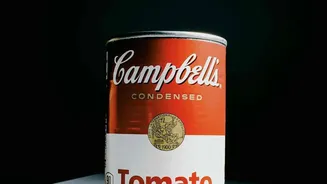
To get an accurate picture of what you're consuming, you need to do a quick calculation. First, identify the 'servings per container' listed at the top of the label. Then, multiply the values for calories, fat, sugar, and other nutrients by the number of servings you realistically plan to eat. If a packet of instant noodles lists one serving as 300 calories but the package contains two servings, eating the whole packet means you are consuming 600 calories, not 300. This simple multiplication is the most powerful tool you have to cut through misleading packaging and understand the true nutritional impact of the entire product you are holding. It transforms the label from a suggestion into a factual statement about the total contents.
Common Culprits in Your Shopping Cart
This gap between serving size and typical consumption is prevalent across many popular food items in India. For example, a common packet of biscuits may define a serving as just three or four biscuits, while most people would consume double that with their tea. Similarly, a 500ml bottle of a sweetened beverage is often presented as containing two or more servings, even though many would drink the entire bottle at once. Instant noodles, chips, breakfast cereals, and even supposedly 'healthy' snacks like multigrain crackers are frequently packaged in a way that encourages you to eat more than the stated serving size. According to a 2024 report from the Indian Council of Medical Research (ICMR), even claims like 'sugar-free' or 'real fruit' can be misleading, as the products may be high in fat or contain very little actual fruit.
The Unseen Health Impact
Habitually ignoring the total pack size and focusing only on the per-serving values can have significant long-term health consequences. It leads to the unintentional overconsumption of calories, which is linked to weight gain and obesity. It also means you might be taking in excessive amounts of added sugars, saturated fats, and sodium—nutrients that, in high quantities, are associated with an increased risk of chronic conditions like diabetes, heart disease, and high blood pressure. FSSAI regulations mandate that labels provide nutritional information per 100g/ml or per single consumption pack, based on a 2,000-calorie daily diet for an average adult. By failing to account for the total number of servings, you lose the context provided by these daily allowance percentages and may easily exceed recommended limits without realising it.
Your Smart Shopper Checklist
Before you place any packaged item in your cart, get into the habit of running through this quick mental checklist. First, find the serving size and the number of servings per package. Ask yourself honestly: "How much of this will I actually eat in one go?" Next, multiply the key nutritional figures (calories, added sugar, sodium) by the number of servings you'll consume. This will give you the true total for your portion. Finally, compare this total with your daily dietary goals. This simple, two-second habit of pairing serving size with pack size is one of the most effective strategies for making genuinely informed, healthier choices in the supermarket and taking control of your diet.