




A New Chapter in Overnight Journeys
For decades, overnight train travel in India has been the domain of Rajdhani and Duronto expresses. While reliable, they represent a technology of a different era. The Vande Bharat platform, first introduced in 2019 with chair-car configurations, has already
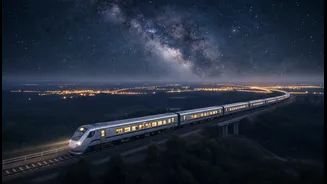
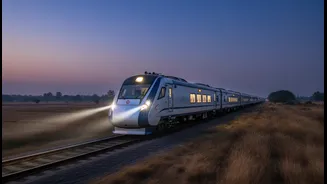
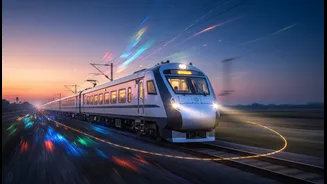
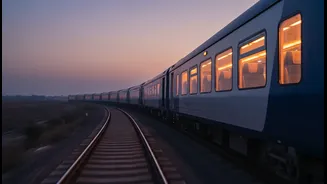
changed daytime intercity travel. Now, that same revolution is coming to long-distance, overnight routes. The Vande Bharat Sleeper is an indigenously designed, self-propelled trainset built for journeys between 800 and 1,200 kilometres. Unlike traditional locomotive-hauled trains, these integrated units offer smoother acceleration, reduced jerks, and lower noise levels, contributing to a more restful journey. The first commercial service was launched in January 2026 between Howrah and Kamakhya (Guwahati), marking a significant milestone for Indian Railways.
Redefining Comfort and Speed
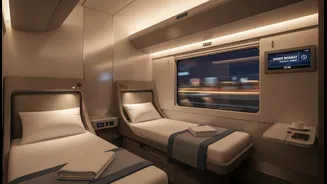
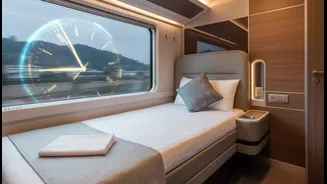
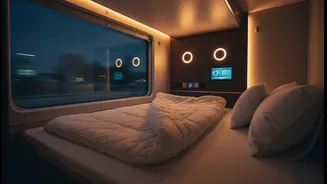
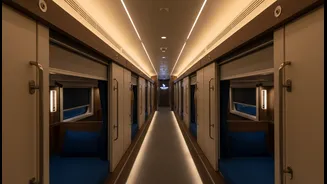
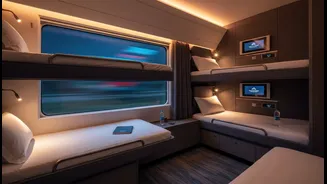
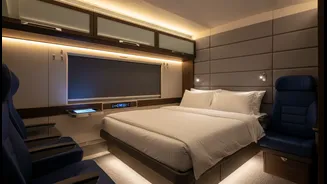
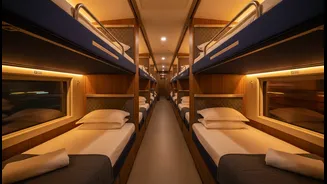
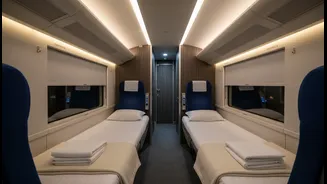
The attention these new trains are gathering is largely due to their passenger-focused design, which represents a quantum leap in comfort. Each 16-coach train can carry around 823 passengers across three classes: AC First, AC 2-Tier, and AC 3-Tier. The interiors are designed with a sleek, modern aesthetic that has been compared to a luxury hotel. Berths are wider and better cushioned, and each comes with its own reading light and charging point. Other features include sensor-based lighting, automated doors, bio-vacuum toilets with odour control, and wide windows for better views. The focus on a superior ride experience, coupled with the ability to travel at higher speeds, means passengers can arrive at their destination feeling more refreshed. Foreign travellers have already taken to social media, with one viral video dubbing the experience a “five-star hotel on rails”.
The Weekend Warrior's New Best Friend
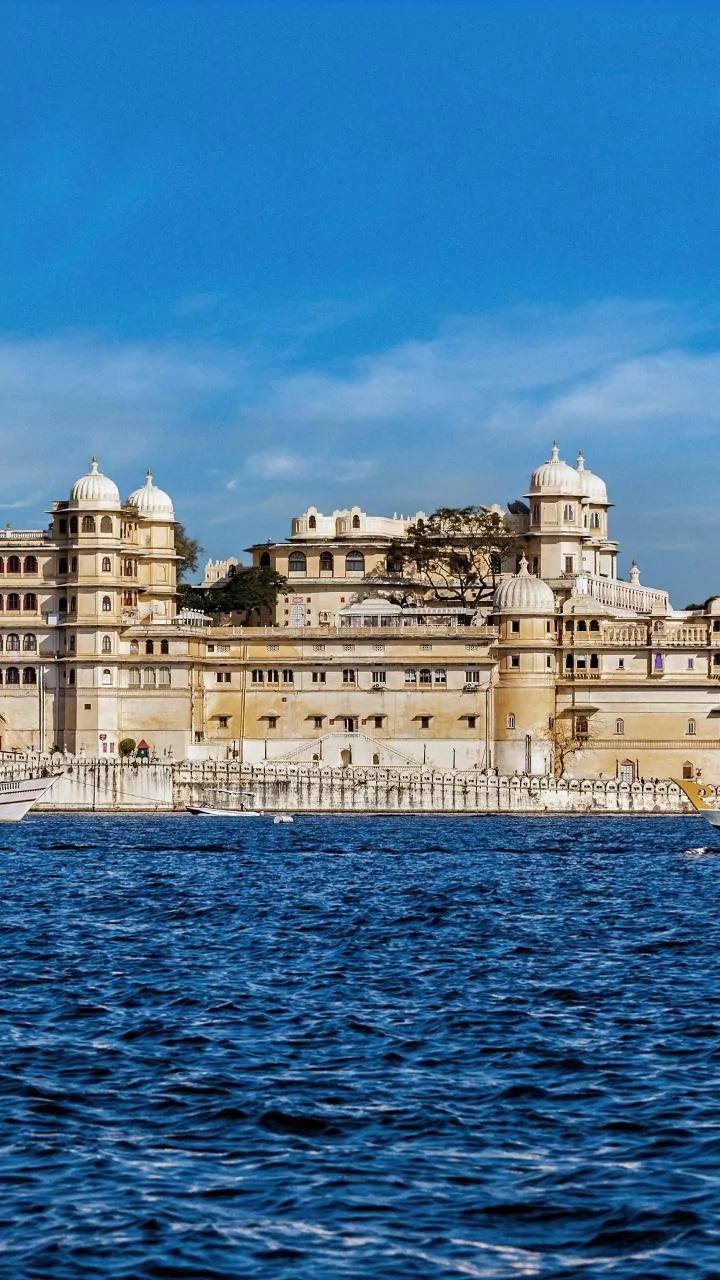
This is where the Vande Bharat sleeper becomes a game-changer for weekend travel. By significantly reducing journey times on key overnight routes, the trains make previously impractical weekend trips a real possibility. A professional can leave a major city on Friday night and arrive at a holiday destination early Saturday morning, ready to explore. After spending two full days, they can board the train on Sunday evening and be back in their home city by Monday morning. This efficient turnaround maximizes leisure time and minimizes travel burnout. The enhanced comfort ensures that travel time is also rest time, not a tiring ordeal. As the network expands, it will unlock countless tourism and pilgrimage destinations for short, convenient getaways, boosting local economies in the process.
When and Where Can You Travel?
The rollout is happening in phases. Following the successful launch of the Howrah-Guwahati service, a second Vande Bharat sleeper, the Sant Ravidas Express, was flagged off on July 17, 2026. This train connects Varanasi with Chheharta (Amritsar), dramatically improving overnight connectivity between Uttar Pradesh and Punjab. Other routes are eagerly anticipated, with strong demand for services like Bengaluru-Mumbai. While the initial trainsets were produced by railway manufacturing units like BEML, a larger rollout of 200 trains is planned through contracts with private consortia. However, some of these larger orders have faced delays due to pending design approvals, with prototypes now expected by late 2026. Despite this, Indian Railways is pushing ahead, with plans to introduce around 12 sleeper services by March 2027.
More Than Just a Faster Train
The Vande Bharat project is a cornerstone of the 'Make in India' initiative, showcasing the country's growing capabilities in designing and manufacturing advanced railway technology. These trains are not just about passenger comfort; they are a strategic asset. By offering a compelling alternative to air travel for medium to long-distance routes, they help decongest airports and provide a more environmentally friendly mode of transport. The success of the chair-car and now the sleeper versions has led to a surge in passenger numbers, with Vande Bharat services carrying nearly 4 crore passengers in the 2025-26 financial year. This growing popularity is driving demand for further network expansion and cementing the Vande Bharat platform as the new face of Indian Railways.