




The Soul of the Tea: Orthodox Leaves
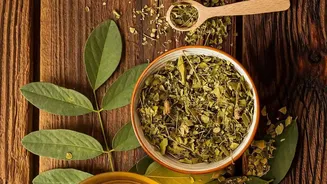
The foundation of this trending beverage starts with the tea itself. Unlike the common CTC (Crush, Tear, Curl) tea found in most mass-market teabags, orthodox tea is processed using traditional methods that preserve the whole leaf. This gentle rolling
and handling maintains the leaf's structure, allowing for a more complex and nuanced flavour profile to emerge during brewing. While CTC tea is designed to produce a strong, dark, and often astringent liquor quickly—perfect for a robust cup of chai with milk—orthodox leaves offer a more delicate and aromatic experience. They are prized for their layered notes, which can range from floral to fruity to malty, providing a sophisticated base that doesn’t need to be masked by sugar or milk.
The Magic of Cold Steeping
The preparation method is just as important as the leaves. Cold-steeping, a technique that originated in Japan, involves infusing tea leaves in cold water over several hours. This slow, gentle process fundamentally changes the chemistry of the brew. Hot water rapidly extracts compounds like tannins, which are responsible for the bitterness and astringency in an over-steeped cup. Cold water, by contrast, extracts far fewer tannins, resulting in a drink that is remarkably smooth, naturally sweeter, and less acidic. This makes it easier on the stomach and palate. While the process takes longer, it’s largely hands-off and almost foolproof, eliminating the risk of bitterness. The lower temperature also extracts less caffeine, offering a calmer energy perfect for all-day sipping.
Tulsi’s Healing Touch
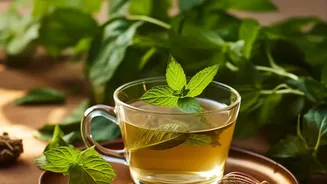
The final element in this trifecta is Tulsi, or Holy Basil. For over 3,000 years, this herb has been revered in Ayurveda as a sacred plant that supports longevity and vitality. Tulsi is classified as an adaptogen, a natural substance believed to help the body adapt to physical and emotional stress. It is rich in antioxidants and known for a wide range of potential health benefits, including supporting the immune system, promoting respiratory health, and aiding digestion. When added to tea, Tulsi brings more than just wellness credentials; it imparts a unique, slightly spicy, peppery flavour that beautifully complements the delicate notes of the tea base.
A Symphony of Flavour and Wellness
When combined, these three elements create a beverage that is greater than the sum of its parts. The smoothness of the cold-brewed orthodox tea provides the perfect canvas for Tulsi’s aromatic complexity. The cold-steeping method prevents the herbal notes of Tulsi and the delicate character of the tea from turning bitter, creating a balanced and harmonious flavour. This blend delivers a one-two punch of sophisticated taste and functional benefits, satisfying the modern consumer's desire for a drink that is both enjoyable and purposeful. It's a guilt-free indulgence that hydrates, refreshes, and may even help manage daily stress.
The Modern Urban Palate
So why is this specific combination resonating so strongly with urban iced tea lovers now? It perfectly aligns with several key consumer trends. Today's city dwellers are increasingly health-conscious, seeking out functional beverages that offer benefits beyond simple refreshment. They are turning away from sugary, artificially flavoured drinks in favour of natural, low-sugar alternatives. Furthermore, there is a growing appreciation for artisanal products and authentic ingredients. The combination of high-quality orthodox tea, the mindful ritual of cold brewing, and the Ayurvedic heritage of Tulsi checks all these boxes. It speaks to a desire for authenticity, wellness, and a moment of calm in a fast-paced urban environment, making it the perfect modern refreshment.