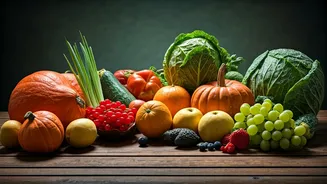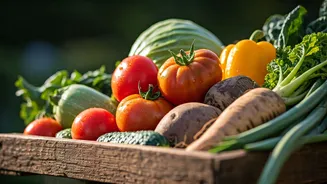









The Flavour You've Been Missing
Remember the sweet, crisp carrots of winter or the deep, earthy taste of monsoon spinach? There’s a scientific reason they taste so good. Vegetables that are allowed to ripen naturally in the sun, in their preferred season, develop a more complex and
robust flavour profile. They are harvested at their peak, not picked early and forced to ripen in transit or cold storage. An out-of-season tomato, for instance, is often a pale, watery imitation of its summer self. It looks the part but lacks the sweet, tangy essence that makes it a star ingredient. Seasonal produce doesn’t need much help to shine; its inherent flavour is its greatest asset. A simple stir-fry with winter *gajar* and peas or a summer salad with fresh *kakdi* (cucumber) tastes incredible precisely because the ingredients are at their best.
A Nutritional Powerhouse
Just as flavour peaks in season, so does nutritional content. When a plant grows in its natural cycle, with the right amount of sun, soil temperature, and moisture, it produces the highest possible concentration of vitamins, minerals, and antioxidants. These are the very compounds that our bodies need to fight off illness and thrive. A vegetable that is picked and consumed close to its harvest time retains more of these vital nutrients. For example, studies have shown that spinach harvested in its cool-weather season can have significantly higher levels of Vitamin C than off-season varieties. The long journey for out-of-season produce, involving days or weeks of transport and storage, leads to a gradual degradation of these delicate nutrients. Eating seasonally is a simple way to ensure you're getting the most nutritional bang for your buck.
Kinder to Your Wallet
It’s a basic principle of economics: when supply is high, prices are low. When vegetables are in season, they are abundant. Farmers have a bumper crop, and the local *sabzi mandi* is overflowing with them. This surplus naturally drives down the cost. Trying to buy mangoes in January or fresh peas in July is a costly affair because they are scarce and have likely been imported or grown in expensive, controlled environments. By aligning your shopping list with nature’s calendar, you are buying what is most plentiful and, therefore, most affordable. This is smart budgeting that doesn’t require sacrificing quality. In fact, you’re paying less for a product that is superior in both taste and nutrition. Your monthly grocery bill will thank you for embracing the seasonal flow.
An Eco-Conscious Choice
The journey your food takes from farm to plate has an environmental footprint. Out-of-season produce often travels thousands of kilometres, a concept known as 'food miles'. This long-distance travel requires significant energy for transportation, refrigeration, and packaging, all of which contribute to carbon emissions. Furthermore, growing produce out of its natural season might necessitate energy-intensive greenhouses, artificial lighting, and more pesticides or fertilisers to compensate for the less-than-ideal conditions. By contrast, seasonal, local vegetables have a much shorter supply chain. They travel less, are stored for shorter periods, and are grown in harmony with the local climate, making them a far more sustainable and environmentally friendly option.
Connecting with Nature's Rhythm
In our fast-paced, urban lives, eating seasonally is a gentle way to reconnect with the natural world and its cycles. It encourages a more mindful approach to eating and cooking. You start to anticipate the arrival of winter's leafy greens or the vibrant gourds of summer. This practice also supports local farmers who rely on seasonal demand to sustain their livelihoods. It fosters a deeper appreciation for where our food comes from and the effort involved in producing it. It’s an invitation to explore regional recipes that were designed around what was available, rediscovering a culinary heritage that is both delicious and wise.