



Why Core Safari Zones Close
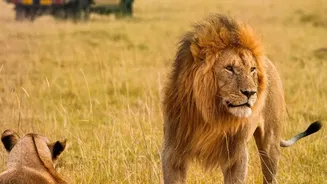
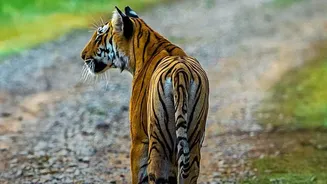
Every year, typically from June or July until September or October, the core areas of most major national parks and tiger reserves like Ranthambore, Bandhavgarh, and Kanha shut down. This closure is essential for two main reasons. Firstly, the heavy monsoon
rains make the unpaved forest tracks slushy, flooded, and unsafe for safari vehicles. Secondly, it coincides with the breeding season for many animals, including tigers, giving the wildlife a much-needed period of undisturbed peace and allowing the forest ecosystem to regenerate. While this may disrupt plans for a classic tiger safari, it opens up a world of other possibilities.
Explore the Lush Western Ghats
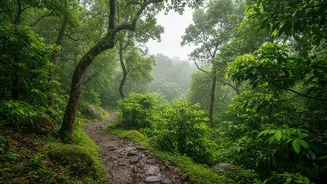
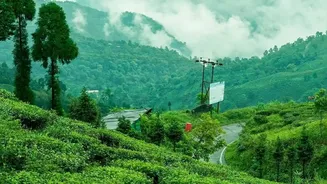
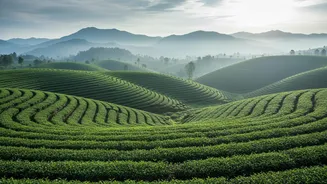
The monsoon transforms the Western Ghats into a vibrant emerald paradise, making it a premier destination when safaris are off the table. Destinations in Karnataka like Coorg and Chikmagalur, and Wayanad in Kerala, become exceptionally beautiful, with coffee plantations, misty hills, and forests bursting with life. This is the perfect time for trekking along mist-covered trails, discovering countless waterfalls that roar back to life, and experiencing the unique biodiversity of the rainforests. Agumbe in Karnataka, known as the 'Cherrapunji of the South' for its heavy rainfall, becomes a haven for herpetology enthusiasts, with a stunning array of frogs, snakes, and other reptiles.
Visit Parks That Remain Open
Not all parks close entirely. Periyar National Park in Kerala is a standout example, remaining open year-round and offering a unique monsoon experience. Here, you can take boat safaris on the lake, where it is common to see herds of elephants and various birds against a backdrop of misty, dense forest. In Karnataka, parks like Bandipur and Nagarhole (including the famous Kabini area) often keep their gates open, weather permitting, offering a different kind of safari experience in a rain-drenched landscape. While core zones of many tiger reserves are closed, their buffer zones often remain accessible for safaris, providing a less crowded, beautifully green alternative for wildlife spotting.
Discover the Magic of Meghalaya
Known as the 'Abode of Clouds', Meghalaya is arguably at its most spectacular during the monsoon. This is when its famous waterfalls, like Nohkalikai Falls, are at their most powerful and majestic. The state is also home to the ingenious living root bridges, a testament to the symbiotic relationship between the local Khasi and Jaintia tribes and nature. Trekking to these bridges, especially the famous double-decker bridge in Nongriat, during the monsoon is an unforgettable adventure, as the surrounding forests are intensely green and alive with the sounds of rain and rushing water.
Embrace Monsoon Trekking
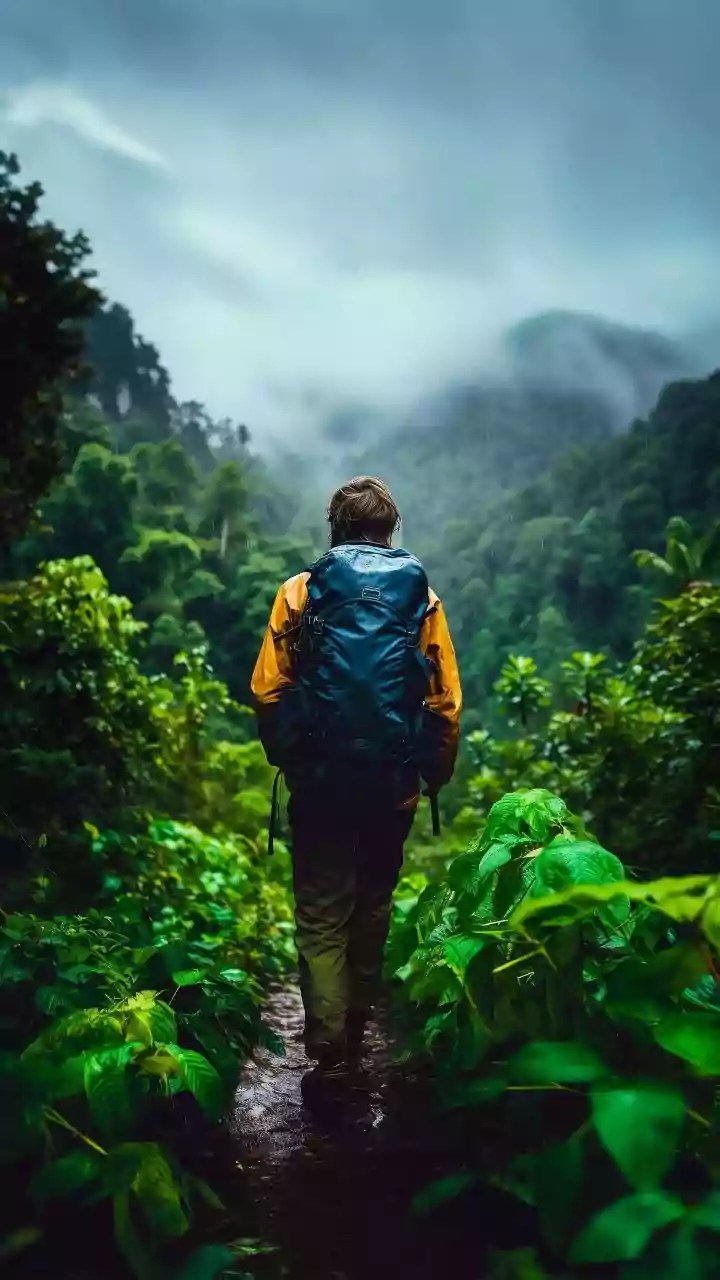
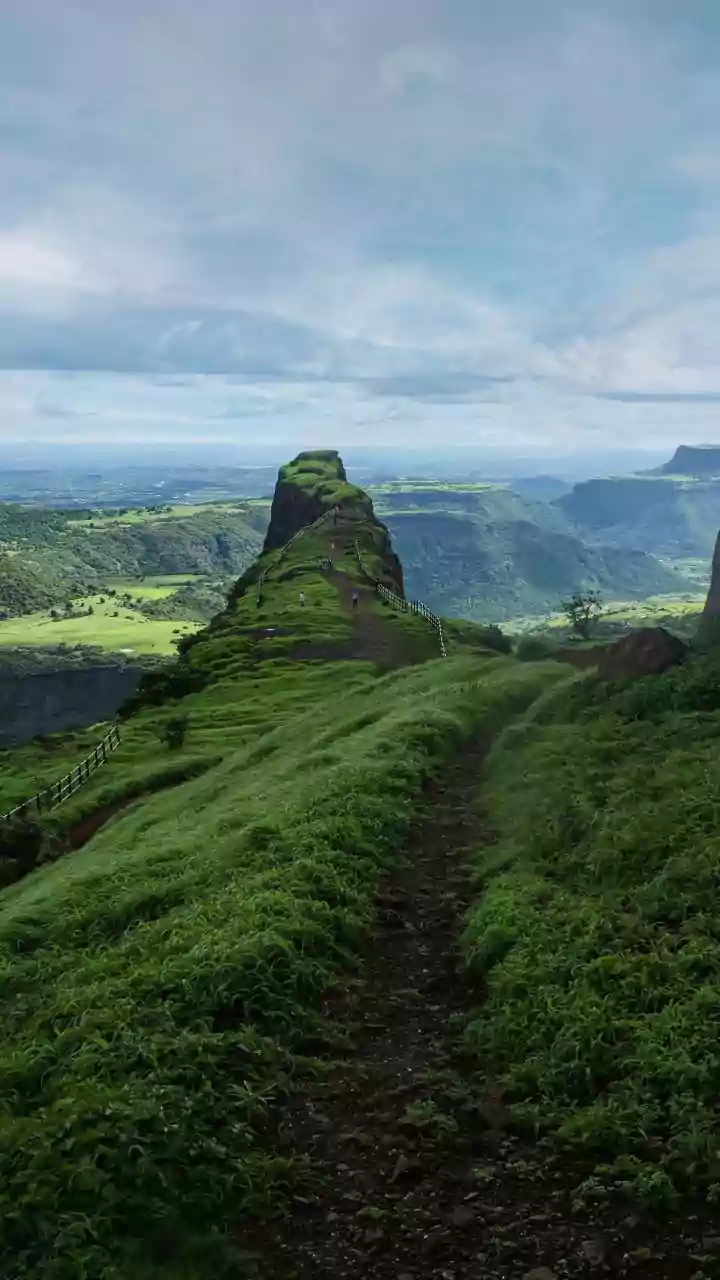
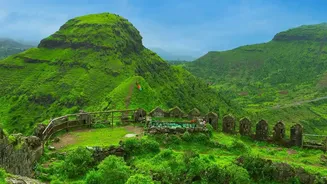
For the more adventurous traveller, the monsoon is the ultimate trekking season in many parts of India. The Sahyadri range in Maharashtra, part of the Western Ghats, offers some of the most dramatic landscapes. Trails leading to ancient forts like Lohagad and Rajmachi become covered in a carpet of green, with waterfalls cascading down their sides. These treks are not just about the destination but the journey itself, walking through low-hanging clouds, crossing gushing streams, and witnessing the landscape at its most raw and vibrant. While challenging due to slippery paths, the reward is breathtaking scenery and a deep connection with nature.