



Why Visit in the Monsoon?
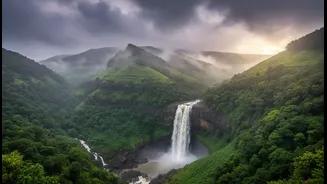
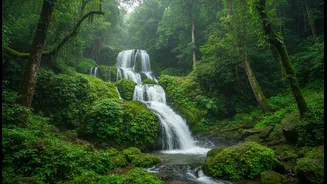
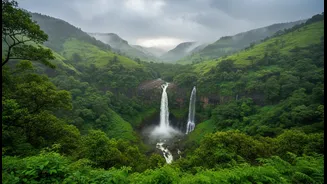
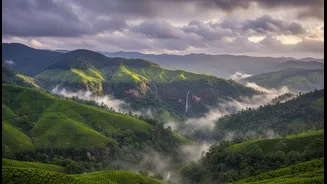
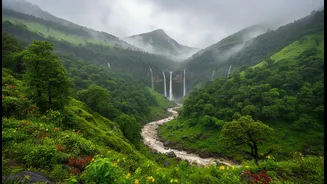
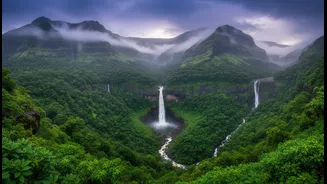
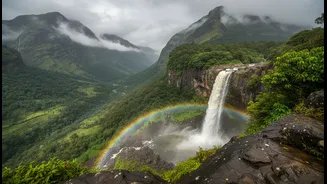
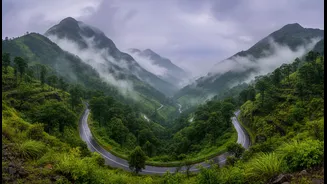
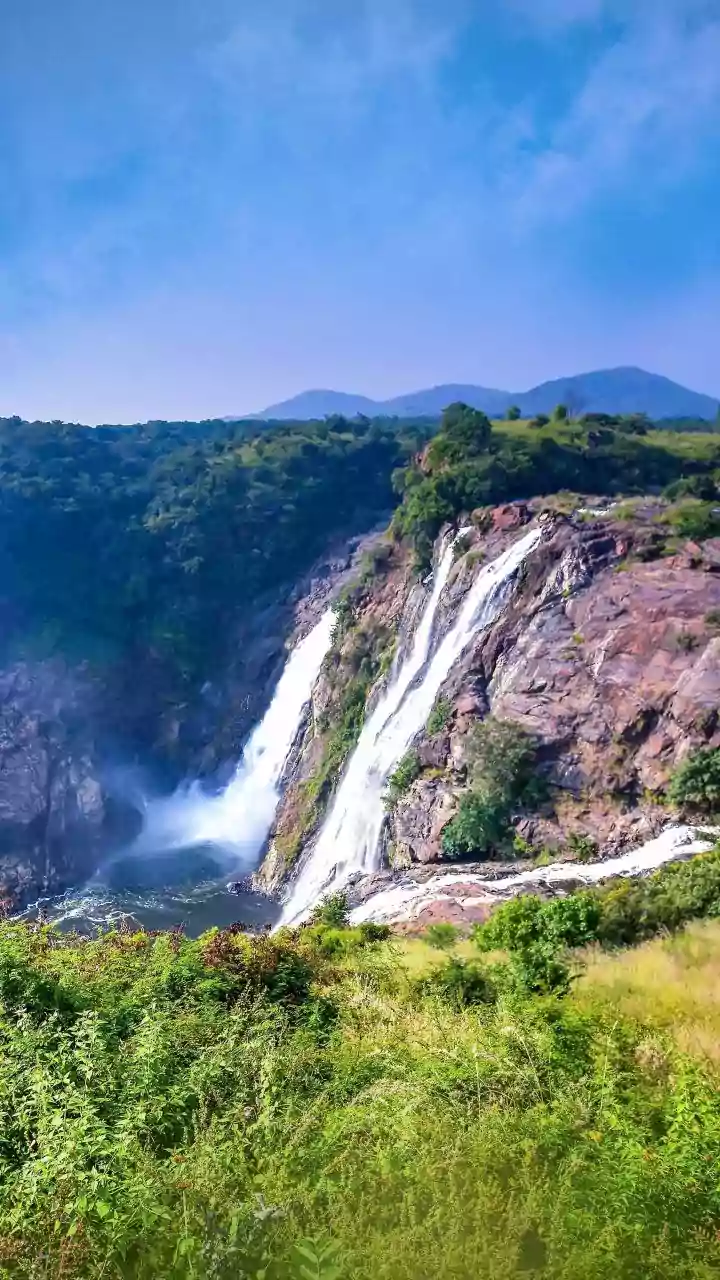
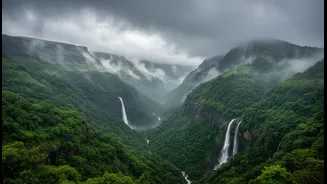
From June to September, the Western Ghats shed their dry, summer look and come alive. This UNESCO World Heritage site, stretching through Maharashtra, Goa, Karnataka, Kerala, and Tamil Nadu, becomes a spectacle of nature's power. Waterfalls that are mere
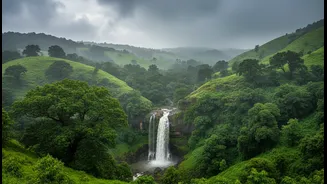
trickles in summer swell into magnificent cascades, and the forests turn a vibrant, electric green. The air is fresh, the temperatures are cool, and the entire landscape feels rejuvenated. While some wildlife sanctuaries may have limited access, the off-season prices can be a major draw, with hotels in places like Coorg, Munnar, and Kodaikanal offering significant discounts. It's a time for unique experiences, from spotting thousands of fireflies in Maharashtra to guided frog-watching walks in the rainforests of Agumbe and Wayanad.
Top Monsoon Destinations
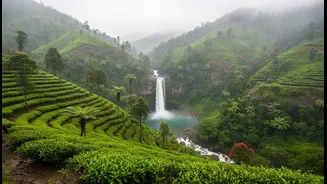
Choosing the right spot is key. For those near Mumbai and Pune, Mahabaleshwar and Lonavala-Khandala are classic choices, famous for their misty viewpoints, overflowing dams, and countless waterfalls. In Karnataka, Coorg (Kodagu) and Chikmagalur offer stunning vistas of rain-drenched coffee plantations and cloud-covered peaks. Abbey Falls in Coorg is particularly spectacular during this season. Further south, Wayanad in Kerala becomes a haven of dense forests and gushing streams, perfect for road trips and nature stays. For a different flavour, the mist-forest treks in the Nilgiris and the guided waterfall trails in the Uttara Kannada district provide a more immersive, offbeat experience.
Your Monsoon Packing Checklist
Packing smart is crucial for a comfortable trip. The key is to stay dry without being weighed down. A high-quality waterproof rain jacket or a poncho that can also cover your backpack is non-negotiable. Opt for quick-dry synthetic clothes over cotton, which absorbs moisture and stays wet for hours. For footwear, choose trekking shoes or sandals with excellent grip for slippery trails; regular sneakers won't cut it. To protect your valuables, use dry bags or zip-lock pouches for electronics and important documents. If you're trekking through forests in Coorg, Wayanad, or Agumbe, anti-leech socks are a must-have. Don't forget a microfibre towel, insect repellent, and a small first-aid kit with antifungal powder.
Safe Driving on Ghat Roads
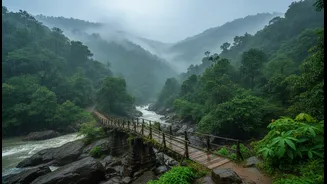
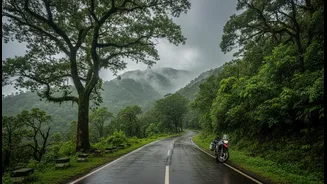
Driving in the ghats during the monsoon requires your full attention. Before you start, ensure your vehicle’s brakes, tyres, and wipers are in excellent condition. Reduce your speed, especially on sharp curves, and maintain a greater distance from the vehicle in front, as wet roads increase braking distance. Use low gears when driving downhill to avoid overusing your brakes. Honk at blind turns to alert oncoming traffic. Visibility can drop to near-zero during heavy downpours; if this happens, it's safer to pull over to a safe spot and wait for the rain to subside. Never attempt to drive through flooded roads or fast-flowing water, as the depth can be deceptive. It's also wise to start your journey early to ensure you cross tricky ghat sections during daylight.
Trekking and General Safety
Monsoon treks are rewarding but come with risks. Always check the latest weather forecasts and local advisories before you head out, as authorities may close trails during heavy rainfall warnings. In Karnataka, for example, online permits have become mandatory for several trekking routes. Never trek alone; always go in a group and stick to marked trails, which can become confusing in the fog. Carry a fully charged phone, a power bank, and download offline maps. Be cautious around waterfalls and streams, as water levels can rise unexpectedly. Leeches are common, so wear appropriate socks and learn how to remove them safely. Finally, respect nature by not littering and following the guidance of local experts.