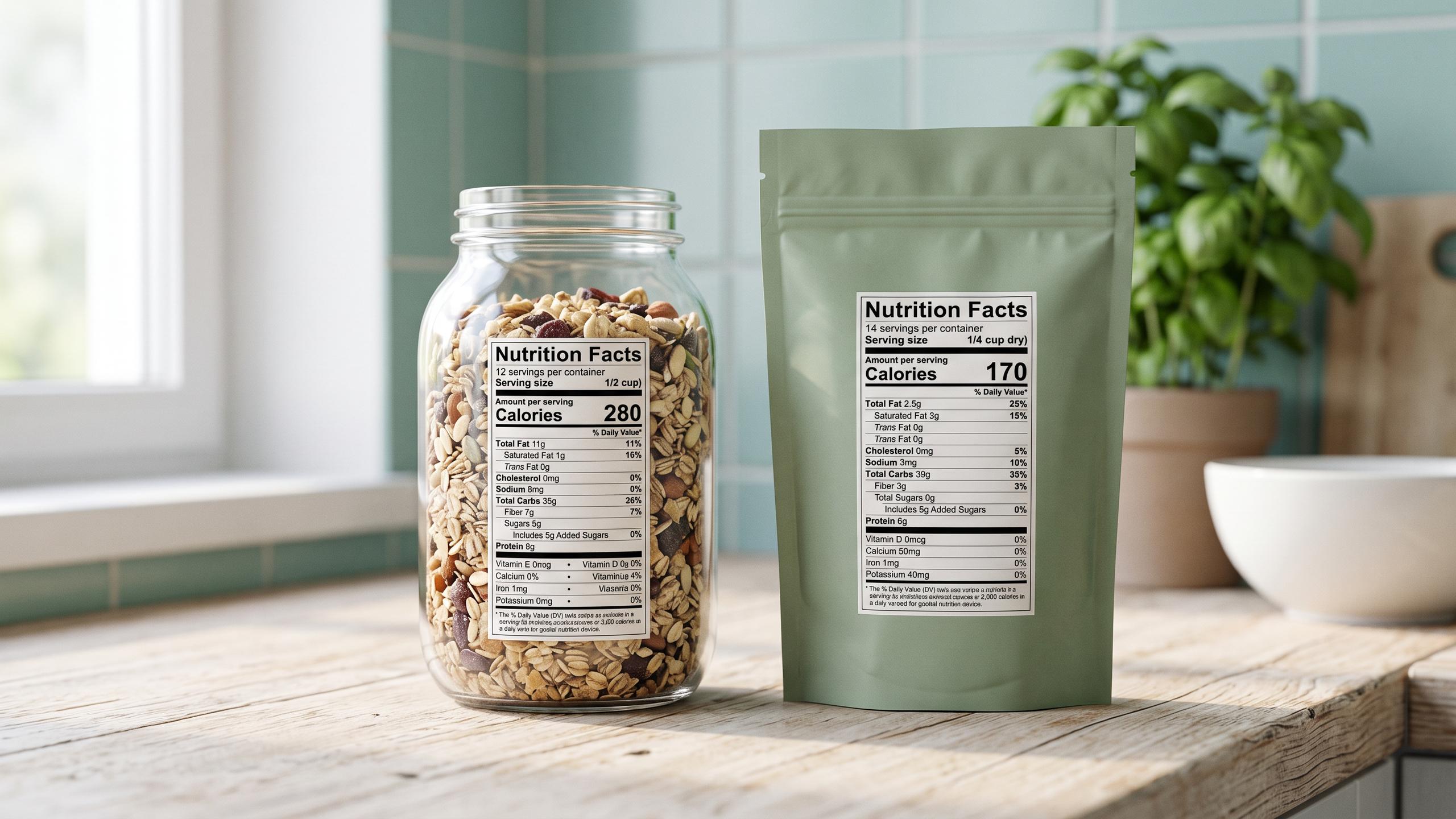








A Nationwide Crackdown on 'Healthy' Illusions
In recent months, the Food Safety and Standards Authority of India (FSSAI) has launched one of its most significant enforcement drives to date, targeting the very language used to sell us our food. More than 150 notices have been sent to food business
operators (FBOs) over everything from unsubstantiated health claims to labelling non-compliance. This isn't just about small errors; the regulator is taking aim at a widespread culture of exaggerated marketing. The list of recipients includes a who's who of the industry, with notices going to giants like Nestle India, PepsiCo, Coca-Cola India, and Mondelez India. The crackdown has also extended to e-commerce platforms like Amazon and Flipkart, as well as major fast-food chains including McDonald's, Domino's, and KFC, signalling a comprehensive effort to clean up the ecosystem from manufacturer to point-of-sale.
Decoding the Most Common Misleading Claims
The FSSAI's investigation focuses on words and phrases that have become commonplace on packaging. Claims like '100% pure', 'no added sugar', 'natural', and 'healthy' are under intense scrutiny. The regulator has specifically challenged the use of absolute terms like '100%', arguing they can imply a level of purity or superiority that is often misleading. For instance, Amway India was flagged for its '100% Pure Coconut Oil', and subsequently removed the claim from its packaging. Other notices have targeted products making nutrient-comparison claims without sufficient scientific backing, vague 'immunity-boosting' promises, or using trade names that imply a health benefit, such as 'Healthy & Tasty' cooking oil. Even products claiming 'zero maida' or 'no added sugar' when they contain substitutes like date syrup have been called out, highlighting the nuance consumers often miss.
What the Rules Actually Say
The FSSAI's actions are rooted in the Food Safety and Standards Act, 2006, along with specific regulations on Advertising and Claims (2018) and Labelling and Display (2020). These rules are designed to ensure that all information presented to a consumer is truthful, unambiguous, and scientifically substantiated. A 'health claim' is defined as any representation that suggests a relationship exists between a food and health. For a company to make such a claim, it must be validated with credible data. The regulations also mandate clear and legible nutritional information, including the amount of energy, protein, carbohydrates (with a specific mention of sugar), and fat. Penalties for misbranding or misleading advertisements can include fines of up to ₹3 lakh under Section 52 of the Act.
How This Impacts You, the Consumer
This regulatory push is a direct response to growing consumer awareness and complaints about deceptive marketing. For years, shoppers have navigated a sea of confusing labels. This crackdown empowers consumers by pushing for greater transparency. It reinforces the importance of moving beyond the flashy claims on the front of the package and examining the nutritional information and ingredients list on the back. The FSSAI's actions mean you can expect to see changes on supermarket shelves. Several companies, including Mondelez, have already begun withdrawing claims and changing advertisements. The ultimate goal is to create a marketplace where 'healthy' is not just a marketing term but a verifiable attribute, allowing you to make genuinely informed choices about your diet.
What's Next for the Food Industry?
The industry is now at a crossroads. Many companies have responded to the FSSAI's notices by taking corrective action, such as revising packaging, withdrawing ads, or delisting products from e-commerce sites. However, the regulator's challenge is to ensure these changes are permanent and not just temporary fixes. The drive has also revealed the scale of non-compliance, with one report suggesting that around 85% of digital ads in the health food space run afoul of advertising norms. Experts believe that clearer standards will ultimately benefit the industry by fostering genuine product innovation and rebuilding consumer trust. This crackdown is not a one-off event but part of a larger shift towards greater accountability across the entire food supply chain.