

The Rise of the Sweetened 'Specialty' Tea
Walk down any supermarket aisle and you'll find an array of beautifully packaged teas promising exotic flavours and wellness benefits. From hibiscus infusions to masala chai blends, the options are endless. However, a closer look at the ingredient list
often reveals a surprising addition: sugar. Sweeteners are frequently added to pre-packaged tea blends for several reasons. Sometimes, it's to appeal to a palate accustomed to sweet beverages. Other times, it's a way to mask lower-quality tea leaves or to create a standardised, consistent flavour profile that's easy to mass-produce. While a little sweetness isn't inherently bad, the issue is often a lack of transparency and control for the consumer. You might be buying a 'healthy' herbal tea only to find it's packed with as much sugar as a regular soft drink.
A Guide to Common Sweeteners
Understanding what's in your tea starts with knowing the names. Sugar hides under many aliases. Besides plain 'sugar' (sucrose), look for ingredients like dextrose, fructose, high-fructose corn syrup, and maltodextrin. Natural-sounding sweeteners also contribute to the sugar load. These include honey, jaggery ('gur'), date syrup, coconut sugar, and maple syrup. While they may contain trace minerals, your body metabolises them much like regular sugar. Then there are low-calorie or zero-calorie sweeteners. Plant-based options like stevia and monk fruit are popular choices. Artificial sweeteners like aspartame, sucralose, and acesulfame potassium are also common, particularly in 'diet' or 'zero-sugar' branded iced teas. Being familiar with these names is the first step to making an informed choice.
Reading Between the Lines of the Label
In India, the Food Safety and Standards Authority of India (FSSAI) mandates that ingredients be listed in descending order by weight. This is your most powerful tool. If sugar or one of its aliases appears in the top three ingredients, the product is likely high in sugar. Be wary of brands that use multiple types of sweeteners in small amounts to keep them lower down the list; this is a common trick to hide the total sugar content. Pay attention to the 'per 100g' column in the nutritional information, not just the 'per serving' size, which can often be misleadingly small. A new 'added sugars' line is also being progressively added to labels, which will make it even easier to distinguish between naturally occurring sugars and those added during processing.
Embracing Tea in its Natural State
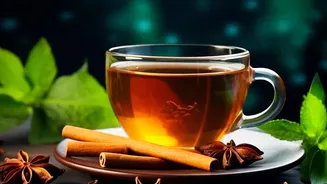
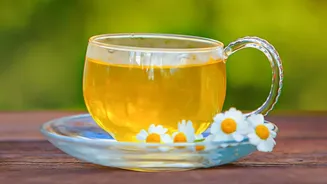
The ultimate goal for any tea lover could be to appreciate the brew in its purest form. High-quality teas don't need sugar because they possess their own complex, often naturally sweet, notes. Training your palate to enjoy unsweetened tea is a rewarding journey. Start by gradually reducing the amount of sugar you add to your daily cup. Experiment with different types of tea known for their nuanced flavours. A delicate first-flush Darjeeling, a floral Nilgiri oolong, or a subtle white tea can offer a rich sensory experience without any additives. You can also enhance flavour naturally by adding a squeeze of lemon, a sprig of fresh mint, or spices like cinnamon and cardamom, which can create a perception of sweetness.
A Simple Framework for Your Next Tea Purchase
When you're next shopping for tea, use this mental checklist to make a clear decision. First, define your purpose: is this a daily health-focused brew or an occasional indulgent treat? Second, scrutinise the ingredient list for the position and number of sweeteners. Third, if nutritional information is available, check the 'added sugars' or 'total sugars' per 100g. Fourth, opt for loose-leaf tea where possible. This often signifies higher quality and gives you complete control over what goes into your cup. Finally, ask yourself if you're buying for flavour or for health benefits. If it's the latter, choosing an unsweetened tea is almost always the better option, as it allows the natural compounds in the tea to shine without the negative impacts of excess sugar.