






The New Arteries of Opportunity
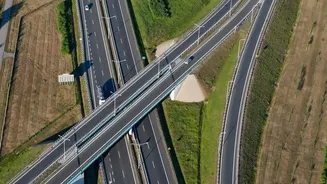
India is in the midst of an unprecedented infrastructure boom. Ambitious projects like the Bharatmala Pariyojana are weaving a dense web of economic corridors, expressways, and feeder roads across the country. This initiative aims to connect hundreds
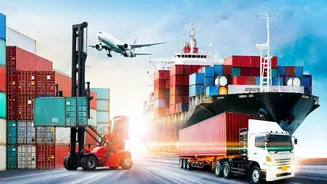
of districts with high-quality, four-lane highways, drastically improving links between production centres and markets. The goal is not just to build roads, but to create efficient pathways for goods and people, reducing logistics costs and travel times. This massive undertaking is designed to integrate previously isolated areas into the national economy, with projections suggesting it could increase the share of freight moved on national highways from 40% to around 80%. For small towns, these new arteries represent a direct line to economic hubs that were once out of reach.
Bridging the Distance to a Paycheck
The most immediate benefit of improved transport is the expanded access to employment. For residents of smaller towns and villages, a daily commute to a regional city for work was often impractical due to long travel hours and high costs. New high-speed rail lines and expressways are changing this reality. The Delhi-Meerut Regional Rapid Transit System (RRTS), for example, has cut travel time between the two cities to under an hour, making daily commutes feasible. Studies on the RRTS project a significant increase in the number of jobs accessible to residents of towns like Meerut, with some estimates suggesting up to 7.6 lakh opportunities becoming reachable within a one-hour commute. This opens up a wider, more diverse job market for skilled and semi-skilled workers who can now access urban opportunities without having to relocate, preserving family and community ties.
A Two-Way Street for Growth
The flow of benefits is not just one-way. While people travel out for jobs, improved connectivity brings investment, services, and customers into smaller towns. Better roads and rail links make these towns more attractive locations for businesses looking to establish satellite offices, warehouses, or manufacturing units. The development of Multi-Modal Logistics Parks under Bharatmala is designed to create new hubs for economic activity along these corridors. This leads to local job creation and stimulates the town's economy. Local businesses, from handicraft makers to retailers, gain access to larger markets for their goods and an influx of new customers. This two-way exchange helps foster balanced regional development, preventing small towns from simply becoming 'dormitory towns' for larger cities.
The Challenges on the Road Ahead
While the benefits are significant, this rapid transformation is not without its challenges. The development of major infrastructure projects often involves complex issues like land acquisition and environmental clearances, which can cause delays. In some regions, there are concerns that without careful planning, the benefits might not be distributed equitably, potentially bypassing the most marginalised communities. Furthermore, the influx of outside interest can lead to rising property values and increased competition for local businesses, which may struggle to adapt. Ensuring that development is inclusive and sustainable requires integrated planning that involves local communities and addresses potential negative impacts. The success of these transport links depends not just on the physical infrastructure but on policies that manage growth and ensure the 'last-mile connectivity' reaches everyone.