



Choose Your Cookware Wisely
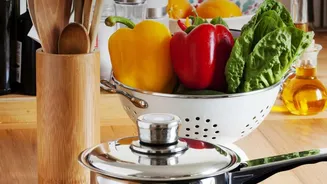
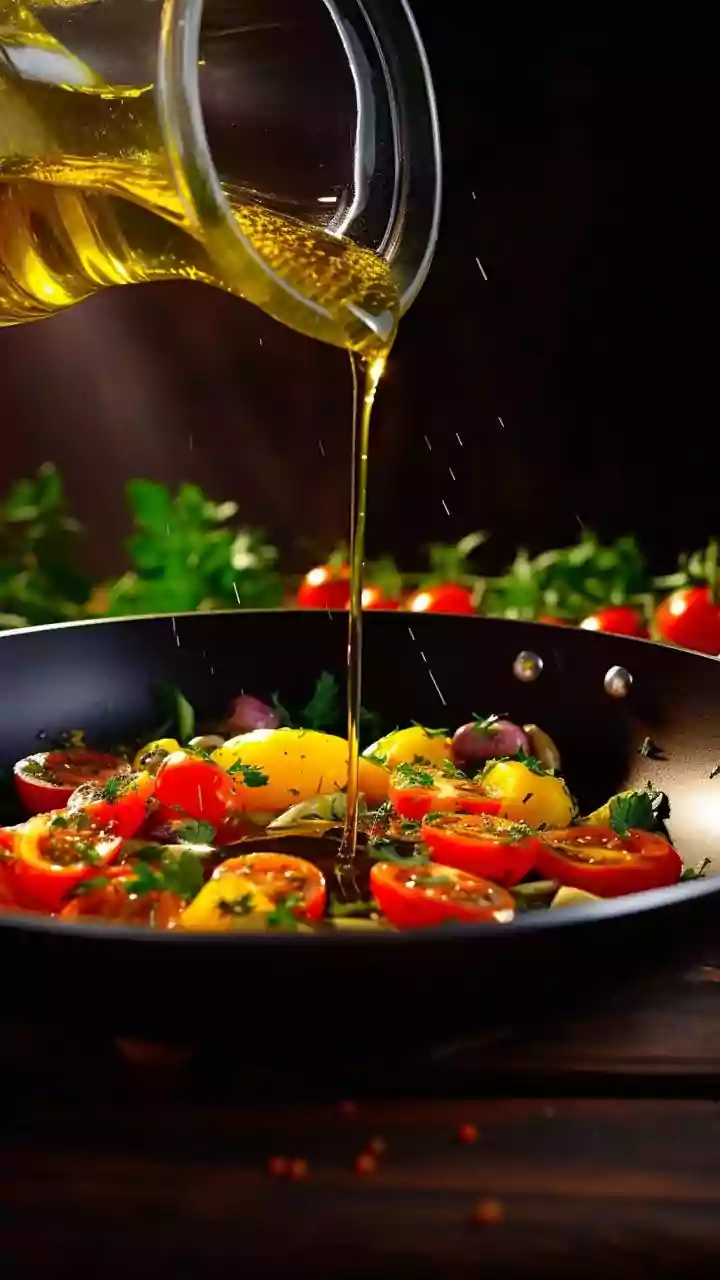
One of the simplest ways to cut down on oil is by choosing the right pan. A good quality non-stick or a well-seasoned cast iron kadhai requires significantly less oil to prevent food from sticking. Because they distribute heat more evenly, you can achieve
the same browning and sautéing results with just a fraction of the fat. Upgrading your primary cooking vessel can lead to daily savings, as you'll no longer need to add extra oil just to keep ingredients from burning.
Master the 'Water Tadka'
The sizzle of a tadka is the soul of many Indian dishes, but it doesn’t always need a pool of oil. Try dry-roasting whole spices like cumin or mustard seeds in a hot pan for about 30-40 seconds until they become aromatic. For your onion-tomato masala, you can begin by sautéing aromatics in a hot pan with just a tablespoon or two of water or vegetable broth instead of oil. As the liquid evaporates, the onions soften and brown. If the masala starts to stick, simply add another splash of water to deglaze the pan.
Rethink Your Frying Habits
Deep-fried snacks like samosas and pakoras absorb a large amount of oil. Thankfully, modern appliances offer a healthier, more economical alternative. An air fryer can deliver a crispy texture on everything from tikkis to fish with up to 80% less oil. Baking and grilling are also excellent methods. You can bake samosas instead of frying them, or grill marinated items like paneer and chicken tikka. These methods require only a minimal brushing of oil, drastically cutting consumption while preserving a satisfying texture.
Measure, Don't Pour
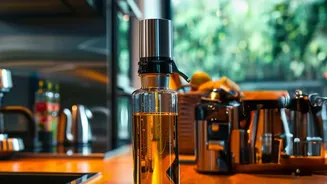
It’s easy to be heavy-handed when pouring oil directly from a large bottle. A simple habit change is to measure your oil with a spoon before adding it to the pan. This small step brings mindfulness to your consumption. For applying oil to parathas or greasing a pan, an oil spray mister or a silicone brush is even better. These tools provide a thin, even coating that covers the surface using a fraction of the oil you would use when pouring.
Know Your Oils and Their Purpose
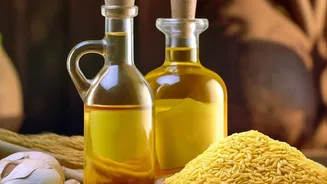
Not all oils are created equal, and using the right one for the job can make your supply last longer. Oils have different smoke points—the temperature at which they start to burn and break down. For high-heat cooking like frying, oils with a high smoke point such as groundnut, rice bran, or mustard oil are ideal. More delicate, expensive oils are best saved for dressings or finishing drizzles where their flavour can be appreciated without being destroyed by heat. Using an all-purpose oil for every task can be inefficient.
Boost Flavour Beyond Fat
Fat is a carrier of flavour, but it isn't the only one. When you reduce oil, you can compensate by amplifying other flavourful elements. Use fresh, high-quality spices, and consider dry-roasting them to intensify their aroma before grinding. Finish your dishes with a squeeze of lemon juice or a sprinkle of amchoor (dry mango powder) to add brightness. Generous amounts of fresh herbs like coriander or mint, or a final sprinkle of kasuri methi (dried fenugreek leaves), can also add layers of complexity that make the dish satisfying without excess oil.