


Instead of Quinoa, Try Amaranth (Rajgira)
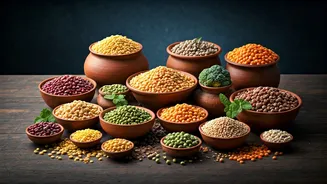
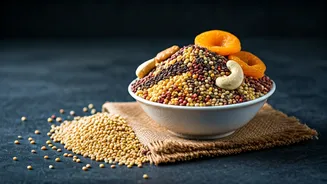
Quinoa has become the go-to grain for the health-conscious, celebrated for being a complete protein. However, our very own amaranth, or rajgira, is a worthy and formidable competitor. Both are technically seeds, making them gluten-free options. Nutritionally,
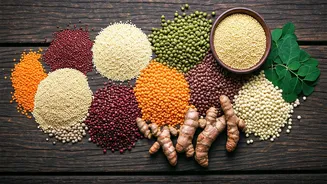
amaranth often has a slight edge, containing more protein per serving. It is significantly richer in calcium, with some comparisons showing it has three times the amount found in quinoa. Amaranth is also a powerhouse of iron and manganese. While quinoa has a lower glycemic index, amaranth shines in its mineral content. Flavour-wise, amaranth has a nuttier, more distinct taste compared to quinoa's mildness. Considering it's locally grown and much more affordable, swapping quinoa for rajgira in your porridge, rotis, or energy bars is a smart move for your body and your budget.
Instead of Kale, Embrace Moringa (Drumstick Leaves)
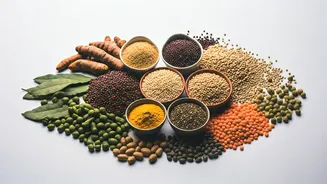
Kale smoothies and salads have been a global health trend for years, but moringa, the humble drumstick leaf, is a nutritional heavyweight that often surpasses it. Gram for gram, moringa leaves can contain significantly more protein, iron, and calcium than kale. Some sources state moringa has twice the protein and six times the iron. While kale wins on Vitamin C content, moringa is packed with a wide array of antioxidants and anti-inflammatory compounds. Moringa, often called the 'Miracle Tree' in Ayurveda, is praised for its ability to combat fatigue and boost energy, largely due to its impressive iron content. It's also incredibly versatile and readily available in India, whether fresh or in powdered form, making it easy to add to dals, soups, and smoothies.
Instead of Chia Seeds, Use Sabja (Basil Seeds)
Chia seeds and sabja seeds look remarkably similar and both form a gel when soaked in water, but they have distinct benefits suited for different needs. Chia seeds are celebrated for being a fantastic plant-based source of omega-3 fatty acids, crucial for heart health, and they also pack more protein. However, sabja seeds, native to India, are a traditional powerhouse for gut health and have natural cooling properties, making them perfect for hot climates. They are lower in calories and swell up quickly, which can help in promoting a feeling of fullness and aiding digestion. If your goal is to boost your omega-3 intake, chia seeds have the upper hand. But for a cooling, hydrating, and high-fibre addition to drinks like lemonade, falooda, or sherbet, sabja is an excellent and cost-effective choice.
Instead of Oats, Rely on Millets
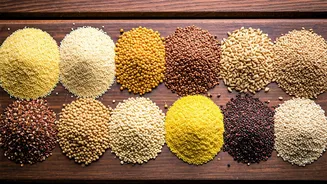
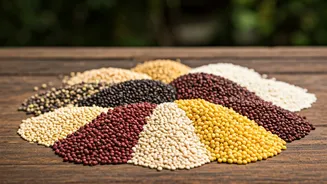
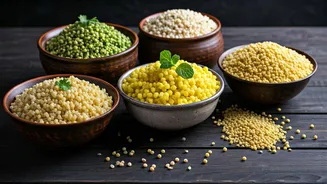
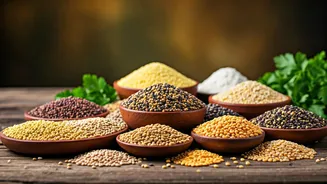
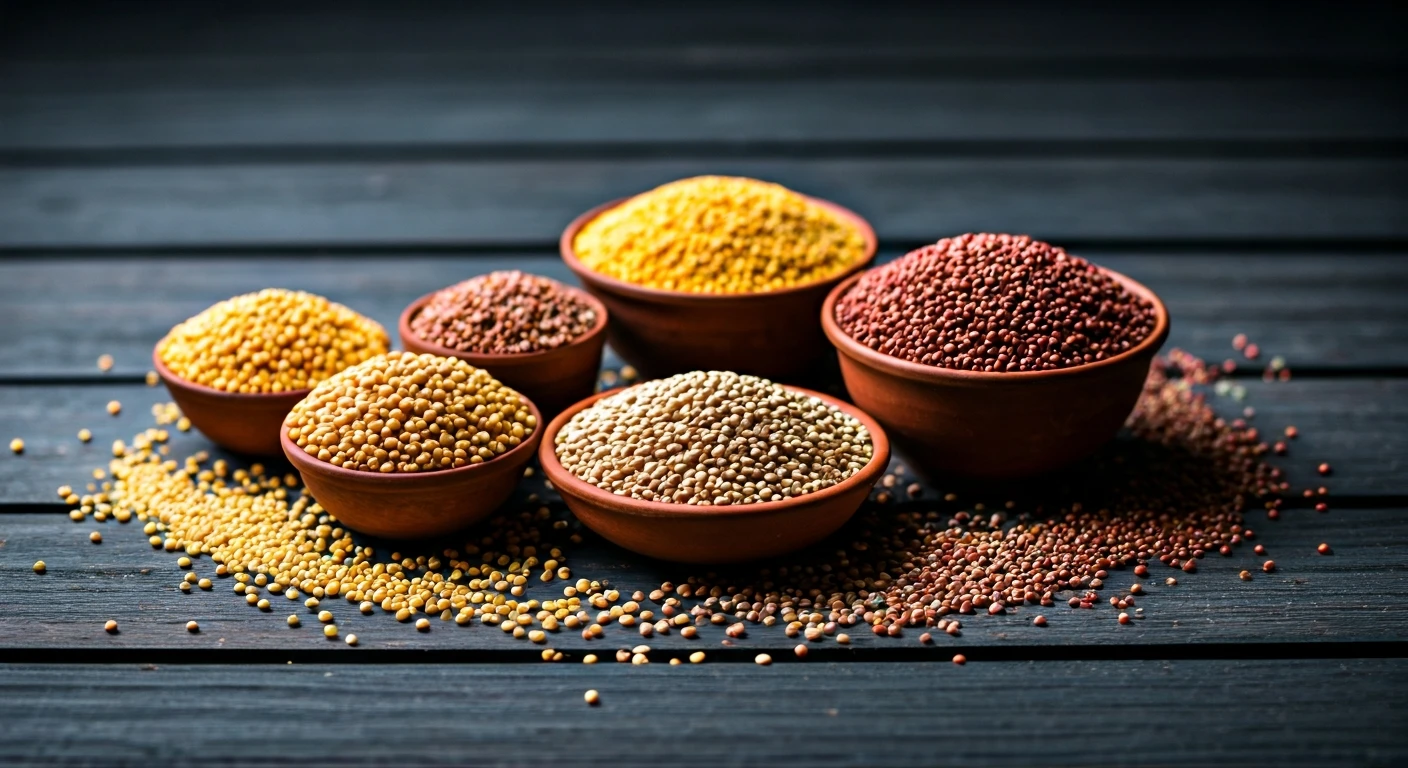
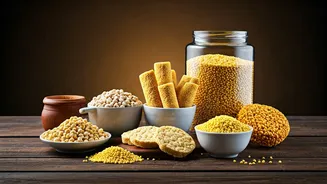
Oats are a breakfast staple known for their heart-healthy beta-glucan fibre. But India's diverse range of millets—like ragi (finger millet), bajra (pearl millet), and jowar (sorghum)—offer a broader nutritional profile and are better suited to our climate. Millets are naturally gluten-free and often have a lower glycemic index, which is beneficial for blood sugar control. They are rich in essential minerals like magnesium, phosphorus, and iron. While oats are great for lowering cholesterol, millets provide a fantastic balance of fibre, protein, and minerals that support everything from digestion to energy levels. From ragi porridge to jowar rotis, incorporating these ancient grains is a sustainable way to fuel your day.
Instead of Avocados, Think Local Fats & Fruits
Avocado toast may rule social media, but its creamy texture and healthy fats can be found in several local alternatives. While no single fruit is a perfect one-to-one replacement, a combination of Indian produce can deliver similar benefits. Tender coconut meat (malai) offers a wonderfully creamy texture and provides healthy medium-chain triglycerides (MCTs) for quick energy. For a probiotic and protein-rich creamy spread, dahi (curd) is an excellent choice. If it’s potassium you’re after, the humble banana contains more of it than an avocado. And for a dose of skin-loving vitamins, guava and amla (Indian gooseberry) are packed with more Vitamin C and antioxidants than many imported fruits.