


A Tradition Rooted in Preservation
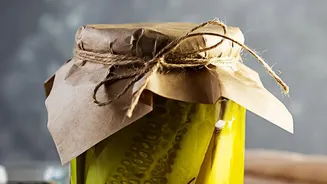
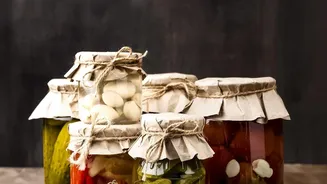
For generations, long before refrigeration became common, pickling was a scientific and cultural practice to preserve seasonal bounty for the rest of the year. This art, often passed down from grandmothers, ensures that the flavours of a particular season can
be enjoyed months later. The fundamental principle involves using salt, spices, and sometimes oil to create an environment where vegetables and fruits can be preserved through natural fermentation. This process not only extends shelf life but also enhances nutritional value, creating probiotics that are beneficial for gut health.
Summer's Bounty: The Reign of Mango
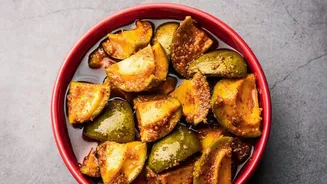
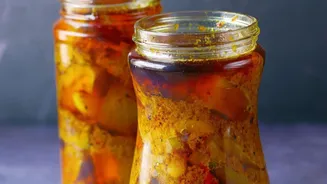
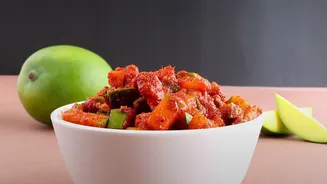
Summer in India is synonymous with mangoes, and therefore, mango pickles. As raw green mangoes become abundant, kitchens across the country spring into action. However, a single fruit gives rise to a staggering diversity of pickles. In Andhra Pradesh, the fiery 'Avakaya' is prepared with a potent mix of mustard powder and red chilli, left to ferment in the sun. Head west to Gujarat, and you will find the sweet and tangy 'Chhundo', where grated mango is slow-cooked with jaggery and spices. Meanwhile, in Maharashtra, 'Kairiche Lonche' strikes a balance between spicy, sour, and sweet. Each recipe reflects the region's palate and climate.
Monsoon Magic: Tangy and Earthy Flavours
The arrival of the monsoon brings relief from the summer heat and a new array of ingredients for the pickling jar. This season is perfect for pickles that provide a zesty counterpoint to comforting rainy-day meals. Lemons are a favourite, often pickled with green chillies and mustard seeds in states like Bihar to create a sour-spicy condiment that matures with age. The rains also bring unique regional specialties, such as tiny 'kanni manga' (baby mangoes) in Kerala and the Malabar region, which are pickled whole. In arid Rajasthan, even eggplants are pickled to preserve the harvest through the lean months.
Winter Warmth: Hardy Vegetables Take Centre Stage
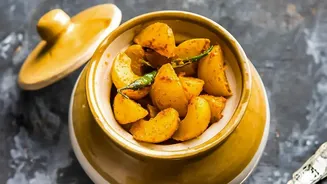
Winter is considered by many pickle enthusiasts to be the most interesting pickling season. The cold months offer a harvest of crisp, hardy vegetables perfect for creating robust achars. In North India, especially Punjab, a classic winter pickle is the 'Gajar-Gobhi-Shalgam' achar, a mix of carrots, cauliflower, and turnips in a sweet and sour masala. Radish, or 'Mooli ka Achaar', is another winter staple, prized for its crunchy texture and pungent flavour that pairs perfectly with heavy winter meals like stuffed parathas. Fresh turmeric and ginger are also pickled during this time, valued for their warming properties.
Beyond the Obvious: A World of Unique Pickles
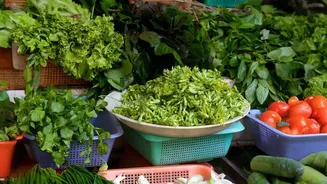
The diversity of Indian pickles extends far beyond the common seasonal vegetables. In the Northeast, fermented bamboo shoots are used to create a delicacy. Coastal regions like Goa have traditions of pickling seafood like prawns. Even leaves are not spared; 'Gongura', or sorrel leaves, are used to make a tangy and iconic pickle in Andhra Pradesh. These variations are a testament to the resourcefulness and culinary creativity embedded in Indian households, where local ingredients are transformed into flavourful condiments that carry the story of a place.