






What is Functional Movement Screening?
Imagine getting a personalised instruction manual for your body. That’s essentially what a Functional Movement Screen (FMS) provides. It’s not a workout, but a simple, standardised screening tool used by trainers and physiotherapists to evaluate seven
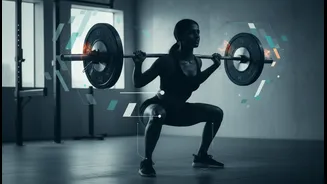
fundamental movement patterns. These are the basic movements that form the foundation of everything you do, from carrying groceries to performing a complex lift in the gym. The screen includes tests like the deep squat, hurdle step, and trunk stability push-up, designed to reveal how you move. The goal is to identify your 'weak links'—any limitations, asymmetries, or instability you might not even know you have. It's not about diagnosing an injury, but about spotting potential problems before they start.
A Personalised Fitness Blueprint
The FMS facilitator scores each of the seven movements on a simple scale from 0 to 3. A low score highlights a dysfunctional pattern, while a high score indicates the movement is solid. The real magic lies in how this data is used. The results create a unique movement baseline, a blueprint specific to your body. This allows a fitness professional to stop guessing and start strategizing. If the screen reveals a stiff shoulder or an unstable core, a corrective exercise plan can be designed to address that specific issue. This shifts the focus from a generic, one-size-fits-all workout to a highly personalised approach. It answers the question, “What does my body need to move better and prevent injury?” and provides a clear path forward.
The Bridge to Heavy Lifting
This is where FMS becomes a powerful catalyst for women venturing into strength training. For years, many women have been told to avoid heavy weights, partly due to injury fears or the myth of becoming 'bulky'. FMS systematically dismantles that fear. The screening process clearly identifies which movement patterns are functional and safe to load. If your squat pattern is a perfect 3, it’s a green light to start adding weight progressively and safely. If your lunge is a wobbly 1, the FMS indicates that pattern needs correction, not loading. This data gives both the individual and their coach the confidence to pursue heavy strength training in a targeted, intelligent way. It removes the intimidation factor and replaces it with a clear, safe strategy for building real strength where the body is already prepared for it.
Redefining Strength in India
This methodical approach arrives at a perfect time in India, where the definition of fitness for women is undergoing a radical change. The post-pandemic era has seen a significant cultural shift away from a narrative of subtraction—eating less, weighing less—to one of addition: more muscle, more power, more resilience. Young women are increasingly looking beyond cardio and embracing weightlifting, driven by a desire for empowerment, long-term health, and the confidence that comes from being physically strong. Supportive, women-only fitness communities are also emerging, creating safe spaces to learn and lift without judgment. FMS fits perfectly into this new, informed fitness culture that values data, personalisation, and sustainable, injury-free progress.
More Than Just Muscle
The benefits of this shift toward heavy strength training are profound. Lifting heavy is one of the best ways for women to build bone density, providing a powerful defence against osteoporosis, a condition more prevalent after menopause. Building muscle also boosts metabolism, improves the body's ability to process sugar (reducing diabetes risk), and enhances cardiovascular health. Beyond the physical, the psychological rewards are immense. The act of lifting heavy is empowering. It fosters a sense of capability and confidence that extends far beyond the gym, helping women feel powerful in every aspect of their lives.