



The Deceptive Cool of Humid Heat
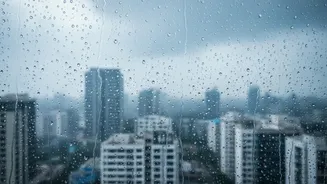
When the monsoon arrives, the number on the thermometer may drop, but this doesn't tell the whole story. The air becomes saturated with moisture, and this is where the hidden danger lies. Our primary way of cooling down is through sweating. As sweat evaporates
from our skin, it takes heat with it. However, when humidity is high, the air is already full of water vapour and cannot absorb the sweat from our skin. This process failure means our bodies cannot cool down effectively, no matter how much we sweat. This creates a dangerous condition where our internal temperature can continue to rise even when the air temperature seems manageable.
The Science of 'Wet-Bulb' Temperature
To truly understand heat risk, scientists use a measurement called the wet-bulb temperature. This metric combines air temperature with humidity to reflect how much heat stress the human body actually experiences. It essentially measures the lowest temperature our bodies can reach through evaporative cooling. When the wet-bulb temperature approaches our skin temperature of around 35 degrees Celsius, our ability to shed heat through sweat effectively stops. Prolonged exposure to such conditions can be fatal, leading to heatstroke and organ failure, even for a healthy person resting in the shade with access to water. Studies show that parts of India are already experiencing dangerous wet-bulb conditions more frequently, turning heatwaves into a deadlier threat.
The Urban Heat Trap
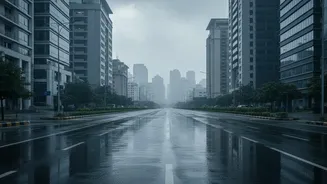
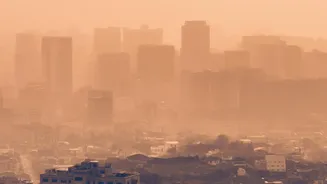
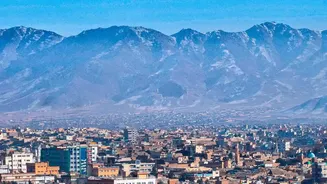
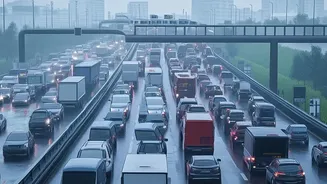
This problem is significantly worse in urban areas due to the 'Urban Heat Island' effect. Cities, with their dense concentration of concrete, asphalt, and buildings, absorb and retain far more heat than surrounding rural landscapes. These materials release stored heat slowly, keeping cities warmer, especially at night. During the monsoon, this retained heat, combined with soaring humidity and reduced air circulation between tall buildings, creates a stifling microclimate. This turns our cities into traps where humid heat lingers, amplifying the health risks for millions of residents, particularly during breaks in the monsoon rainfall.
Who Is Most at Risk?
While everyone is affected, some groups are far more vulnerable to humid heat. This includes outdoor workers, such as construction and agricultural labourers, who have prolonged exposure with little chance for relief. The elderly, young children, and individuals with pre-existing health conditions like heart or respiratory problems are also at a much higher risk as their bodies cannot regulate temperature as efficiently. It is crucial to recognise the signs of heat-related illness. Symptoms of heat exhaustion include heavy sweating, weakness, dizziness, headache, nausea, and muscle cramps. If not addressed, this can progress to life-threatening heatstroke, where symptoms include confusion, slurred speech, loss of consciousness, and hot, dry skin.
How to Protect Yourself
Staying safe during the monsoon's humid heat requires a shift in mindset. Instead of focusing only on the air temperature, pay attention to humidity levels. Plan strenuous activities for the cooler, less humid parts of the day, like early morning. Prioritise hydration by drinking plenty of water, even if you don't feel thirsty, and avoid dehydrating beverages like alcohol and caffeine. Wear lightweight, loose-fitting clothing to allow for better air circulation. Inside, using fans and ensuring good ventilation can help, though air conditioning is the most effective way to reduce both heat and humidity. Most importantly, check on vulnerable neighbours, family, and friends who may be struggling to cope with the oppressive conditions.