



The Heart of Qatari Cuisine
Qatari cuisine is a rich blend of Bedouin, Persian, Indian, and Levantine influences, born from centuries of trade and desert life. The nation's culinary DNA is defined by slow-cooked meats, fragrant rice, and aromatic spices like cardamom, saffron, and dried
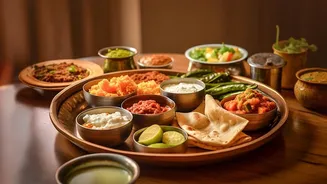
limes, known as 'loomi'. The national dish, Machboos, perfectly captures this heritage. It's a flavourful one-pot rice dish, slow-cooked with either lamb, chicken, or fish until the meat is tender and the rice has absorbed all the rich, spiced broth. Other essential dishes include Harees, a comforting porridge of cracked wheat and meat, and Thareed, a hearty stew with pieces of flatbread soaked in the broth. These traditional meals offer a direct taste of the country's history and are a must-try for any visitor.
The Souq Waqif Experience
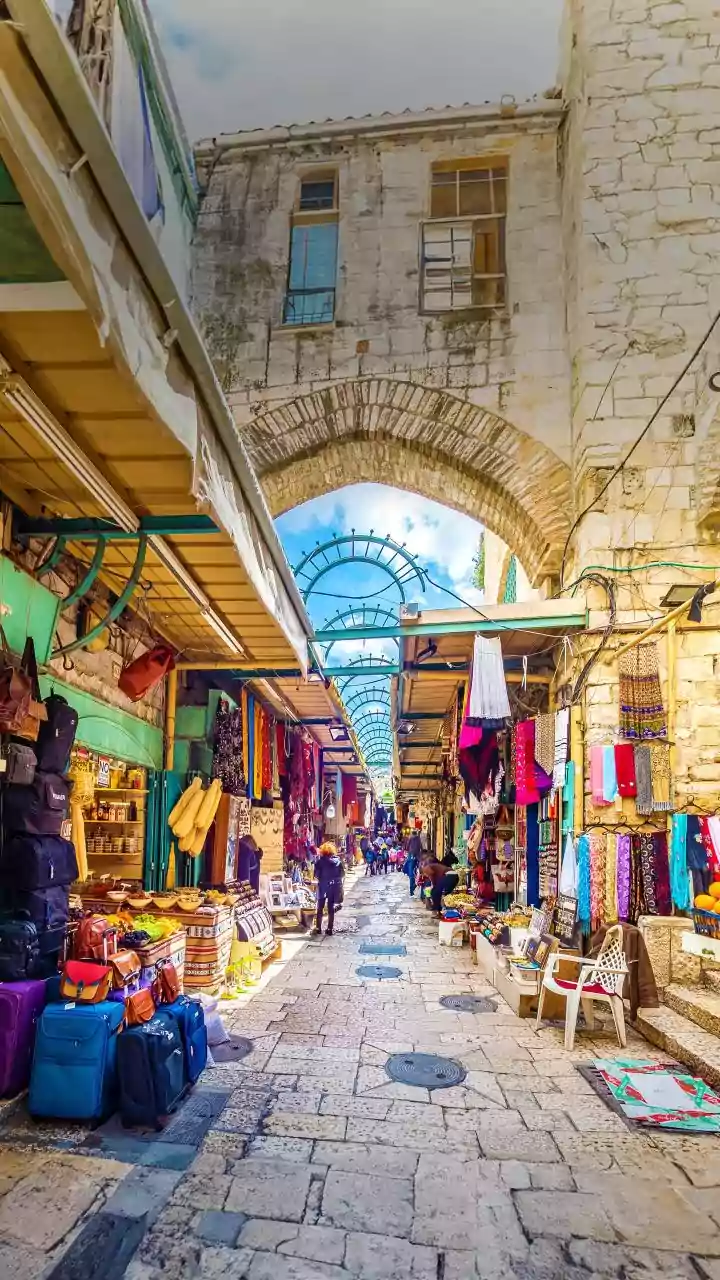
No culinary tour of Qatar is complete without a visit to Souq Waqif in Doha. This bustling, restored marketplace is the city's cultural heart, where the air is thick with the scent of spices, roasting meats, and fresh bread. As the sun sets, the souq's winding alleys transform into a lively dining district. Here you can find everything from authentic Qatari street food to regional specialties. Follow the locals to find the best regag, a paper-thin crispy crepe filled with cheese or honey, or grab a sizzling shawarma. For a more relaxed experience, settle into one of the many courtyard restaurants offering Iranian kebabs, Levantine mezze, or traditional Yemeni Mandi. The souq offers a vibrant, atmospheric taste of local life, with meals to fit every budget.
A Global Fine-Dining Hub
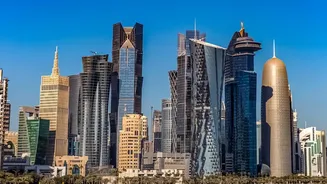
Beyond its traditional roots, Qatar has rapidly emerged as a global hub for luxury dining. Doha is now home to an impressive concentration of restaurants helmed by internationally acclaimed and Michelin-starred chefs. You can find outposts of world-famous names like Nobu, Zuma, Hakkasan, and Morimoto, primarily located in the upscale West Bay and The Pearl-Qatar districts. For a truly unique experience, IDAM by Alain Ducasse, located on the top floor of the Museum of Islamic Art, offers contemporary French cuisine with an Arabic twist, complemented by stunning skyline views. The country also hosts a growing number of Michelin-recognized establishments, celebrating everything from Cantonese to Peruvian cuisine, ensuring that discerning foodies have a world of options to explore.
The Culture of Karak
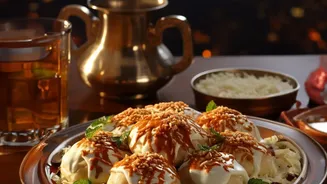
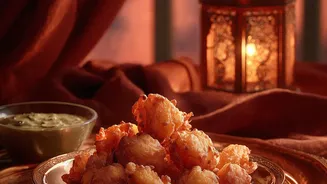
While fine dining has its place, the true national drink is Karak. This strong, sweet tea is a beloved daily ritual for Qataris from all walks of life. Brewed with black tea, evaporated milk, sugar, and fragrant cardamom, it is sometimes enhanced with saffron or ginger. You'll find Karak stalls and drive-throughs all over the country, serving up small paper cups of this comforting brew for just a few riyals. It's the perfect accompaniment to a simple breakfast of chapati flatbread or a sweet treat like Luqaimat, which are sweet, deep-fried dumplings drizzled in sugar syrup. Taking a moment to enjoy a cup of Karak is a simple but essential Qatari cultural experience.
Food Festivals and Unique Experiences
Qatar's culinary calendar is highlighted by the annual Qatar International Food Festival (QIFF), a major event that brings together local and international vendors, celebrity chefs, and live cooking shows. This festival transforms iconic locations, like the Lusail Stadium precinct, into a global food market, offering a fantastic opportunity to sample a wide array of cuisines in one place. Beyond festivals, visitors can seek out other unique culinary experiences. Enjoy a traditional Bedouin-style dinner under the stars in the desert, or visit a coastal market like the L'wzaar Seafood Market at Katara Cultural Village, where you can pick your own fresh fish and have it grilled with Arabic spices. These experiences frame travel in Qatar not just as a holiday, but as a memorable gastronomic journey.