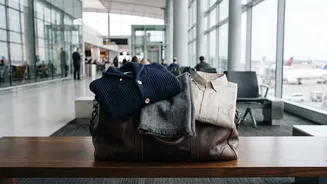



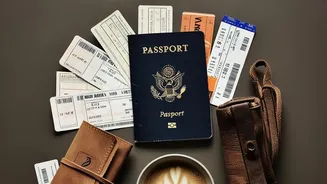

The pre-holiday ritual is familiar: a suitcase overflowing with 'just in case' outfits, leading to stress before you even leave. But what if the secret to a truly relaxing trip lies in packing less, not more? It's time to embrace simplicity.
The Psychology of Overpacking
Many travellers
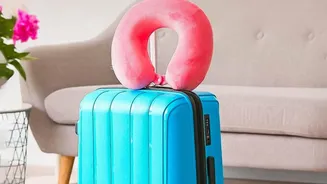
pack for their fears rather than their actual plans. This anxiety-driven habit, rooted in a fear of the unknown or being unprepared, ironically creates the very stress it's meant to prevent. A 2021 study found that nearly 70 percent of Americans are stressed out by packing, rating it as more stressful than the travel itself. Hauling heavy bags, paying for overweight luggage, and rummaging through a cluttered suitcase adds a layer of frustration to your journey. The core issue is often a 'just in case' mindset, which encourages packing items that provide comfort but are unlikely to be used. This attempt to pack for every possible scenario is really an attempt to gain a sense of control. The result, however, is not control but chaos.
Freedom From Decision Fatigue
One of the most immediate benefits of a streamlined wardrobe is the reduction of decision fatigue. Every extra item you pack represents a future decision you have to make. When you have fewer, more versatile options, you spend less mental energy each morning deciding what to wear. This frees up precious time and cognitive bandwidth, allowing you to focus on the day's adventures rather than your outfit. A curated collection of clothes where everything coordinates means you can get dressed in minutes, giving you more time to explore and enjoy your destination. It’s about making one smart set of decisions before you travel, so you don't have to make dozens of small, draining ones during your holiday.
The Art of the Seven-Day Capsule
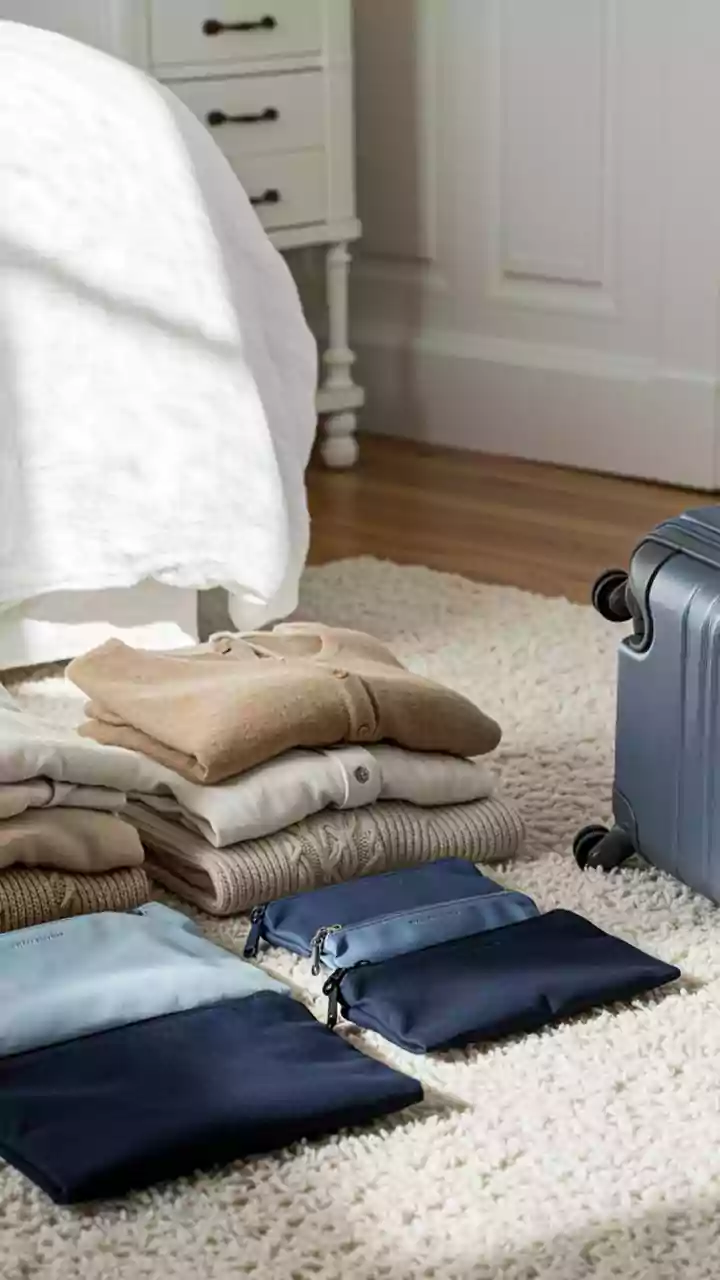
Creating a capsule wardrobe for a week-long trip is a practical art form. The goal is not to have seven distinct outfits, but to have a small collection of versatile pieces that can be mixed and matched to create numerous combinations. A good starting point is a simple, neutral colour palette—like black, navy, grey, or cream—which makes combining items effortless. For a seven-day trip, a balanced formula might include around 10 to 12 core clothing pieces. A popular rule of thumb is packing three tops for every bottom. For a week, this could look like two pairs of trousers or a skirt, and six tops that all work together. Add one or two layering pieces like a cardigan or jacket, a dress that can be styled casually or formally, and a maximum of three pairs of shoes: one for walking, one for evenings, and one versatile pair like a stylish sneaker or flat.
More Than Just a Lighter Bag
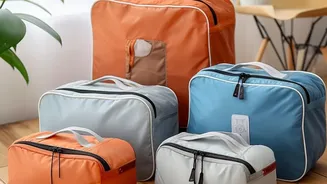
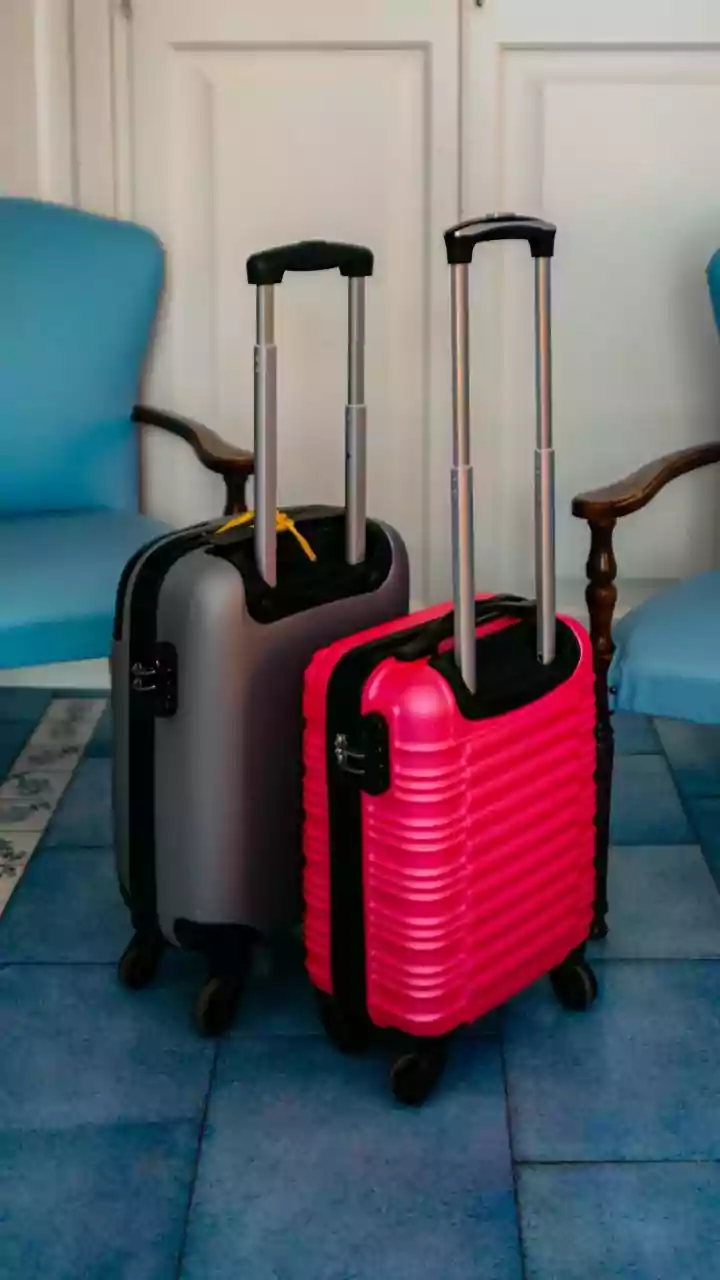
The benefits extend far beyond simply having a lighter suitcase. A carryononly approach saves money by avoiding checked bag fees and significantly reduces the risk of the airline losing your luggage. Navigating airports, train stations, and cobblestone streets becomes remarkably easier and less physically taxing. There's also an environmental component; by buying and packing fewer, betterquality items, you are participating in more mindful consumption. Furthermore, using organisational tools like compression packing cubes can maximise space and keep your curated items tidy, making it easy to find what you need without unpacking your entire bag. This efficiency transforms your relationship with your luggage from one of burden to one of streamlined convenience.
A Mindset Shift to Experience Over Things
Ultimately, packing light is a mindset shift. It encourages you to focus on the experiences of your journey rather than being weighed down by material possessions. When you let go of the 'what if' scenarios and trust in your ability to adapt, you gain a sense of empowerment. Travel is about freedom and discovery, and a minimalist wardrobe supports that goal. By consciously choosing to bring only what you need and love, you are making a statement that your trip is about the memories you will create, not the things you have with you. This intentionality simplifies your travels and allows you to be more present and engaged with the world around you.