


The Delicious New Diversity
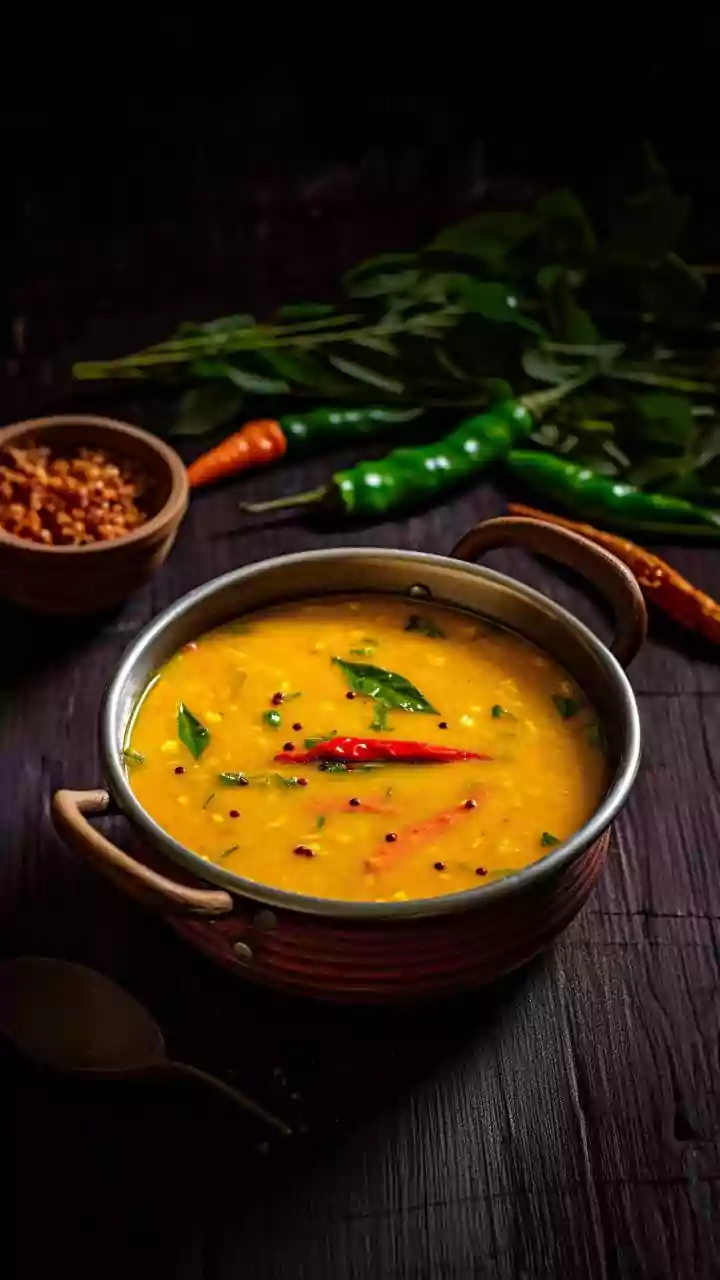
For decades, eating "Indian food" in many urban centres meant a familiar rotation of butter chicken, dal makhani, and paneer tikka. But a powerful shift is underway. Propelled by curious chefs, passionate home cooks-turned-influencers, and the visual
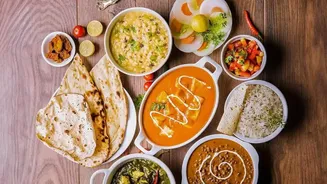
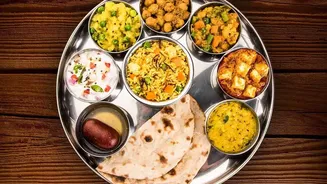
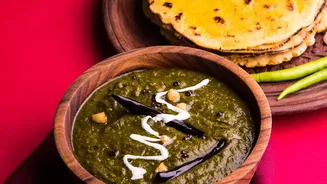
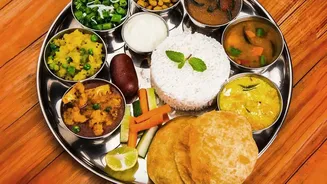
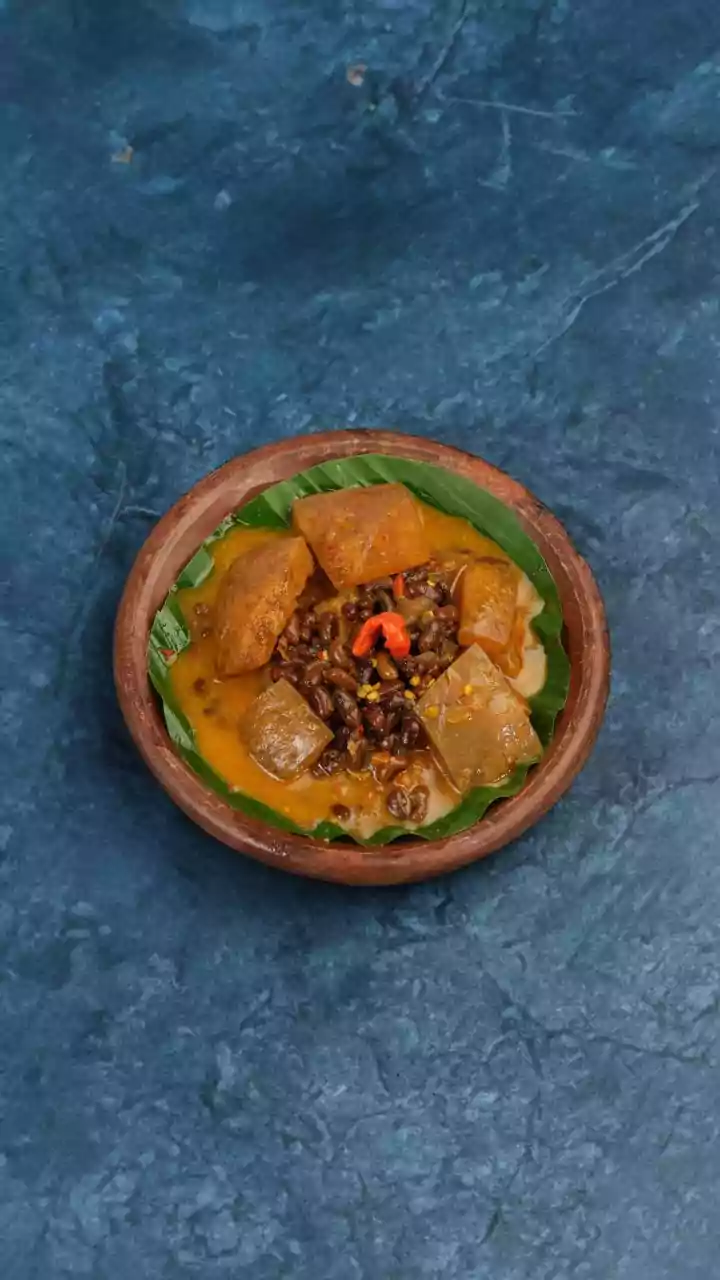
power of social media, hyper-regional cuisines are having a moment. Menus are now proudly featuring dishes from specific communities and sub-regions that were once confined to family kitchens. We're seeing the robust flavours of Bihari food, the subtle complexities of Odia meals, and the distinct culinary traditions of communities like the Kayastha and Gowda finding a new, appreciative audience. This exploration is moving beyond broad labels like "North Indian" or "South Indian" and diving into the specifics of what makes the food of Satara different from that of Konkan, even within the same state.
Lost in Translation
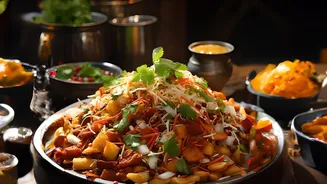
This culinary renaissance is exciting, but it comes with a crucial blind spot: the stripping of context. A dish appearing on a trendy menu is a start, but it's not the full story. Food is more than a list of ingredients; it's a living record of a place's history, agriculture, and community. When a dish like a mulberry chaat from a village in Jharkhand is presented without its story, it risks becoming just another exotic item on a checklist. The "credit" that is due extends beyond a geographical tag. It's about acknowledging the generations of home cooks, often women, who perfected these recipes. It’s about understanding the local ingredients, some of which are becoming rare, and the specific cooking techniques that define a dish's soul. Without this context, the food is unmoored from its identity, appreciated for its taste but not its significance.
The Risk of Flattening Flavour
When context is lost, so is authenticity. The pressure to appeal to a broad, national palate can lead to a dilution of flavours. A fiery Naga chutney might have its chilli toned down, or a complex spice blend might be simplified, making the dish more approachable but less true to itself. This isn't just about being a purist; it's about preventing the rich tapestry of Indian food from being flattened into a homogenous, easily digestible product. The very diversity we claim to celebrate is endangered when every regional specialty starts to taste vaguely similar. Furthermore, this trend can inadvertently sideline the very communities it claims to champion, turning their heritage into a commodity without ensuring they benefit from its popularisation. The story, the struggle, and the pride embedded in the food gets lost.
Giving Credit Where It's Due
Fortunately, many are getting it right. The movement is being led by chefs and food chroniclers who see themselves as storytellers, not just trendsetters. They are collaborating with home cooks and elders from various communities, ensuring recipes are learned and credited with respect. Some restaurants host pop-ups that feature home chefs, giving them a platform to share not just their food but also their family anecdotes and cultural histories. Others build their entire concept around farm-to-table principles, connecting diners with the very soil the ingredients came from and explaining the journey to the plate. This approach doesn't just result in a better-tasting meal; it creates a more meaningful connection between the producer, the chef, and the diner, fostering a deeper appreciation for the cuisine itself.