








The Current Patchwork System
Across India, pet registration is not governed by a single national law, but rather by local municipal corporations. In major cities like Delhi, Mumbai, and Bengaluru, registering pet dogs is mandatory. This process typically involves an application,
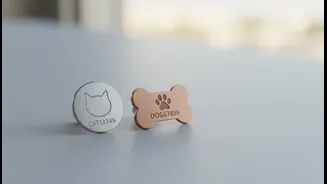
proof of rabies vaccination, and a nominal annual fee. The primary goals are to ensure public health, prove ownership, and promote responsible pet care. However, these regulations are almost entirely canine-centric. While some progressive cities have started including cats in their registration drives, it remains uncommon and largely unenforced. This creates a system where a massive population of domestic pets, particularly cats, exists in a legal grey area, unaccounted for and unprotected by the very systems designed to safeguard them.
When Our Feline Friends Go Missing
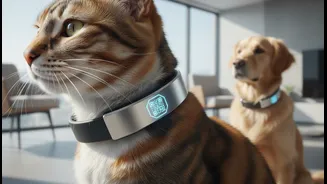
The dog-focused approach has serious consequences. When a registered dog with a license tag goes missing, there is a clear, official channel for its return. But what about a lost cat? Without a formal registration system, a lost cat is often indistinguishable from a stray. Shelters and finders have no reliable method to identify the owner, drastically reducing the chances of a happy reunion. Studies consistently show that microchipped and registered pets are far more likely to be returned home. In India's bustling cities, where pets can easily wander off or get spooked, the lack of a registration framework for cats leaves countless families heartbroken and puts an immense strain on already overburdened animal rescue organizations.
Technology Offers a Simple Solution
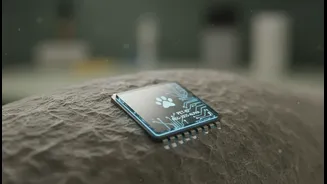
The combination of mandatory registration and microchipping provides a powerful, two-pronged solution. A microchip, a tiny transponder the size of a grain of rice, is inserted under the pet's skin and contains a unique identification number. This number is linked to the owner's contact details in a secure database. Unlike a collar or tag that can be lost or removed, a microchip is a permanent form of identification. When a lost pet is found, any veterinarian or shelter with a scanner can read the chip and quickly contact the owner. This technology is simple, safe, and already widely available in India. By making microchipping a prerequisite for registering all pets, including cats, municipal bodies can create a robust and reliable system for tracking and reuniting lost animals.
More Than Just Finding Lost Pets
The benefits of a comprehensive registration system extend far beyond reuniting lost pets. A centralised database of pets, including cats, helps authorities manage public health by tracking vaccination compliance for diseases like rabies. It also fosters accountability. Pet abandonment is a significant issue, and registration creates a clear record of ownership, making it harder for individuals to desert their animals without consequence. Furthermore, reliable data on the pet population allows for better allocation of resources, such as planning for animal health services, welfare programs, and even pet-friendly public spaces. It’s a move towards a more organised, data-driven approach to animal welfare that benefits the entire community, both human and animal.
The Road to Responsible Ownership
Expanding pet registration is a critical step towards fostering a culture of responsible pet ownership for all animals. For too long, the legal framework has implicitly suggested that only dogs require this level of formal accountability. This needs to change. While challenges like cumbersome online portals and lack of public awareness exist even for dog registration, they are solvable problems. Municipalities can streamline the process, work with NGOs to raise awareness, and make registration a simple, accessible civic duty for all pet parents. By officially recognizing cats and other companion animals in our civic databases, we send a clear message: every pet deserves the security of a legal identity, and every owner has a responsibility to provide it.