


The Ephemeral Carpet of Kaas Plateau
For most of the year, the Kaas Plateau in Maharashtra is a vast, unassuming expanse of laterite rock. But come late August and September, after being drenched by monsoon rains, it undergoes a spectacular metamorphosis. This UNESCO World Natural Heritage
site bursts into a riot of colour, earning its nickname as Maharashtra's 'Valley of Flowers'. Over 850 species of flowering plants, many of which are endemic and endangered, spring to life from seeds that have lain dormant beneath the soil. The landscape becomes a living carpet of pinks, yellows, blues, and whites, a phenomenon that lasts for just a few precious weeks before vanishing as quickly as it appeared. It’s a powerful reminder that some of nature's greatest shows are fleeting, reserved only for those who visit at the perfect moment.
The Thunderous Rebirth of Jog Falls
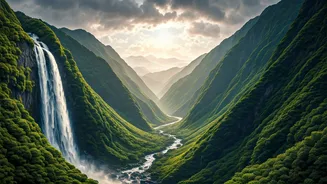
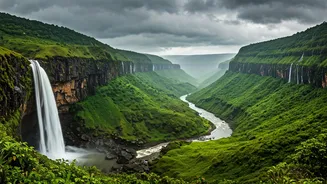
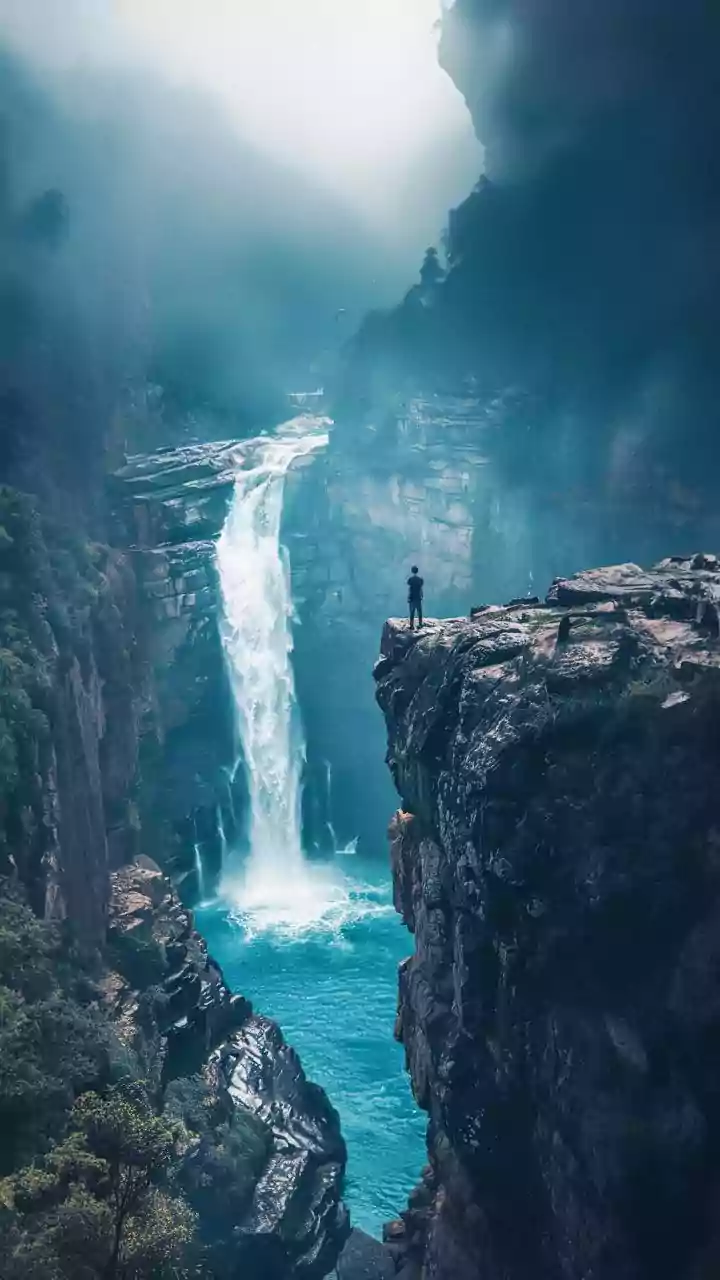
While Jog Falls in Karnataka is a sight to behold year-round, its true, formidable self is hidden during the dry months. Pre-monsoon, it can be a mere trickle, a whisper of its potential. But when the Sharavathi River swells with monsoon rains, the falls are reborn. Four distinct cascades—Raja, Rani, Roarer, and Rocket—plunge nearly 253 metres in a single, thunderous drop. The spray creates a permanent mist, and the sound is a deafening roar that can be heard from miles away. The monsoon doesn't just feed the falls; it unleashes their soul. Visiting during this peak season reveals the raw, untamed power that gives this natural wonder its legendary status, transforming it from a placid stream into one of the most powerful waterfalls in India.
The Milky Torrent of Dudhsagar Falls
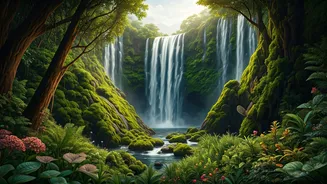
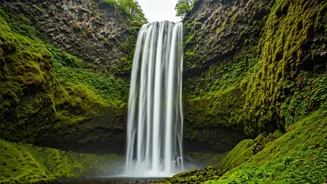
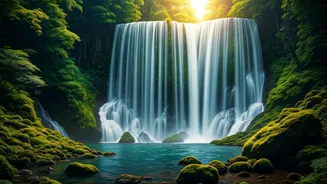
Tucked away on the border of Goa and Karnataka, Dudhsagar Falls lives up to its name, which translates to 'Sea of Milk'. During the monsoon, the Mandovi River, engorged with rainwater, cascades down a sheer, four-tiered cliff face from a height of over 310 metres. The sheer volume of water creates a heavy, white foam that blankets the rock, making it look as if a river of milk is flowing through the lush green forests of the Western Ghats. What makes this scene even more iconic is the railway line that passes directly in front of the falls. A train crossing the bridge as the waterfall rages behind it is one of the most surreal and sought-after sights of the Indian monsoon, a perfect union of human engineering and nature's grandest design.
The High-Altitude Bloom in Uttarakhand
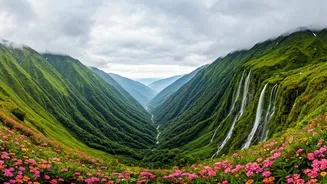
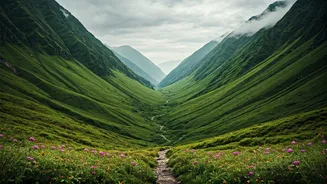
The legendary Valley of Flowers National Park in Uttarakhand is perhaps the most famous of India’s monsoon wonders. A high-altitude Himalayan valley, it remains covered in snow for most of the year, its treasures locked away beneath the ice. But from June to October, as the snow melts and the monsoon clouds roll in, the valley awakens. It becomes a vibrant tapestry of alpine flowers, with over 300 species like the elusive blue poppy, cobra lily, and brahmakamal blooming in unison. This gentle, colourful landscape, set against the backdrop of rugged, snow-capped peaks, feels like a secret garden revealed by the gods. Trekkers who make the journey are rewarded with a vision of paradise on earth, a place where the monsoon brings not violent downpours but a soft, life-giving touch.
The Swirling Waters of Bhedaghat
The serene marble rocks of Bhedaghat in Madhya Pradesh, where the Narmada River flows through a stunning gorge, offer a different kind of monsoon transformation. In the dry season, a gentle boat ride on the placid river reveals the sunlight glinting off the towering white, grey, and pink cliffs. It’s a peaceful, almost spiritual experience. During the monsoon, however, the Narmada becomes a powerful, churning force. The water level rises dramatically, and the calm river turns into a swirling, formidable torrent. Boating is often suspended for safety, but viewing the gorge from above reveals a new, wilder personality. The monsoon showcases the river's true might, reminding us that beneath the tranquil surface lies the immense power that carved these magnificent marble canyons over millennia.