



What Is a ‘Use-First’ System?
At its heart, a ‘use-first’ system is a simple, visual method for managing the fresh produce in your kitchen. Instead of letting your vegetables get lost in the crisper drawer, you create a designated, highly visible spot for items that need to be eaten
soon. The goal is to make it effortless to see what you have, prioritise what’s most delicate, and stop produce from spoiling before you get a chance to enjoy it. This is not about complex storage solutions; it’s a workflow that starts the moment you unpack your groceries and ends with a smarter, more efficient shopping list. By dedicating a specific container to your most perishable items, you turn the fight against food waste into a simple, daily habit.
Identify Your Delicate Vegetables
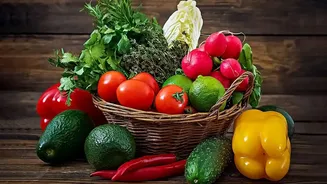
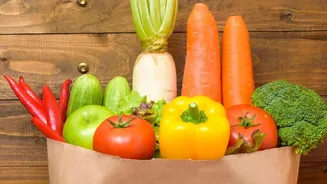
The first step is knowing which of your vegetables are on a tight schedule. These are the items that tend to wilt, bruise, or spoil quickly. Common delicate vegetables include leafy greens like spinach, coriander, mint, and lettuce. Herbs are notoriously fragile, as are mushrooms, asparagus, green beans, and berries. Even vegetables we think of as sturdy, like cucumbers and bell peppers, can lose their crispness if forgotten for too long. When you bring your groceries home, take a moment to sort them. Separate these time-sensitive items from hardier produce like potatoes, onions, carrots, and cabbage, which have a much longer shelf life. This initial sort is the foundation of the entire system.
Create Your ‘Use-First’ Box
Now, for the central tool: the box itself. Choose a clear, open container. It doesn’t need to be fancy—a simple plastic or glass bin without a lid works perfectly. The transparency is key for visibility. Place this box on a prominent, eye-level shelf in your refrigerator. This is not the bottom crisper drawer. This is prime real estate. As you unpack your groceries, immediately place all those identified delicate vegetables into this box. Think of it as a triage station for your produce. Washed and dried salad greens, bunches of fresh herbs, and that half-used cucumber all go here. This simple act of physical separation creates a powerful mental cue: everything in this box is on deck.
The Golden Rule of Visibility
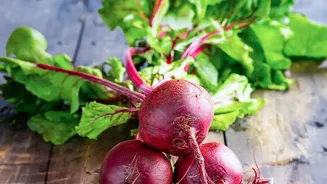
Your ‘use-first’ box establishes a focal point, but the principle of visibility should extend to your whole fridge. If you can’t see it, you won’t eat it. Arrange other items logically. Place longer-lasting produce, like carrots or beets, in the crisper drawers below. Leftovers, dairy, and drinks can occupy other shelves, but your ‘use-first’ box should remain front and centre. Using clear storage containers for all leftovers and prepped ingredients further enhances visibility. The goal is to open your refrigerator door and get an instant, accurate inventory of what needs your attention, starting with the contents of your priority box. This eliminates the need to dig through drawers and unearth forgotten food days later.
Link It to Your Next Grocery Run
This system truly shines when it’s time to plan your next shopping trip. Before you even think about making a list, open the fridge and look at your ‘use-first’ box. What’s in there? A handful of spinach and some mushrooms? That’s the start of a great omelette or pasta dish. A bunch of coriander and half a lime? You’re on your way to a fresh chutney. Your shopping list should be built around using up what you already have. This reverses the common habit of buying ingredients for new recipes and then struggling to use up older items. By checking your ‘use-first’ box first, you ensure that you buy only what you need, preventing you from purchasing duplicate items and guaranteeing that the produce you’ve already paid for gets eaten.