



Why Winter Is Tough on Skin
The transition to colder months is often accompanied by a significant drop in humidity. This dry air, both outdoors and from indoor heating, can strip the skin of its natural moisture. This process weakens the skin's protective barrier, leading to increased
water loss and a complexion that feels tight, itchy, and appears flaky. This is the winter skin dilemma: a compromised barrier that struggles to retain hydration, resulting in a dull, tired appearance. It's why our skin craves more than just basic moisture; it needs ingredients that can both replenish hydration and support its natural defences.
The Potent Power in the Peel
While we love the fruit, we often discard the peel, unaware that we're throwing away a concentrated source of skin-loving nutrients. Fruit peels are packed with antioxidants, vitamins, and bioactive compounds that can be even more potent than the pulp itself. These peels contain natural acids for gentle exfoliation, vitamins like C and A for brightening and cell renewal, and a host of antioxidants that help protect the skin from environmental stressors. By incorporating these natural byproducts into your routine, you’re not only embracing a sustainable practice but also tapping into a powerful source of skincare ingredients.
Orange Peels: A Brightening Boost
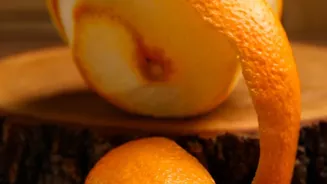
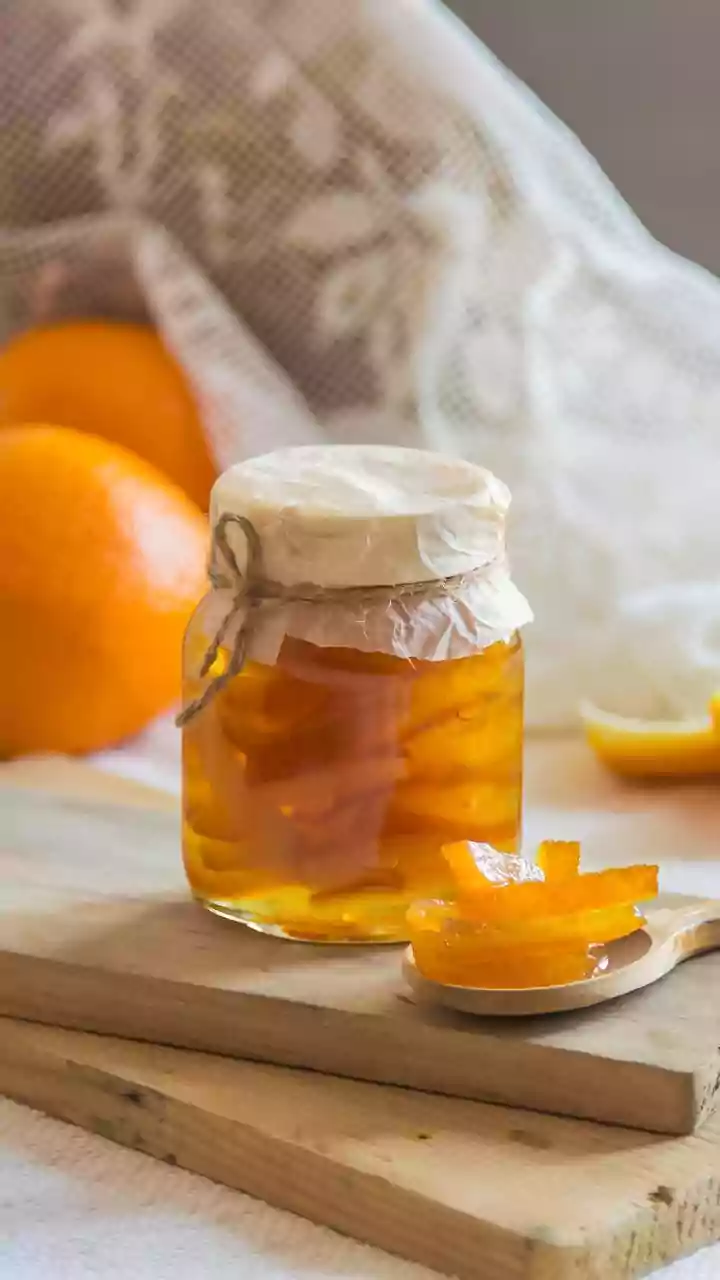
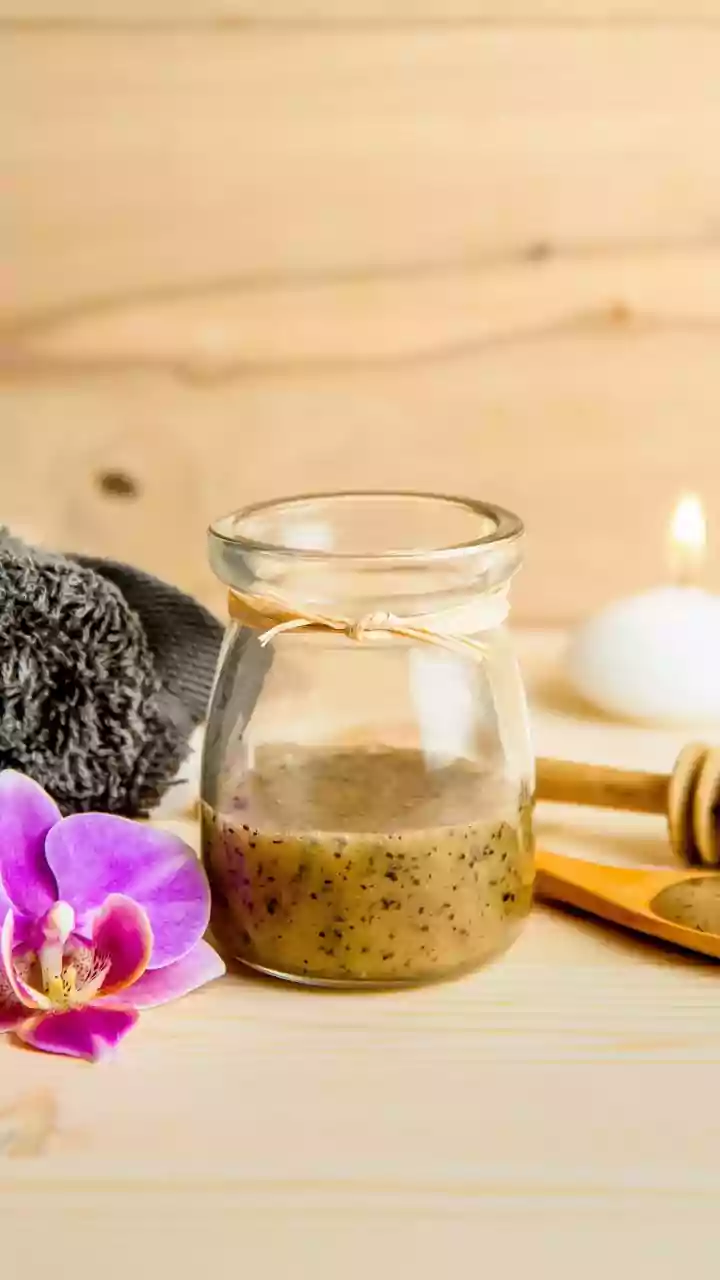
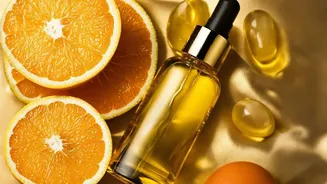
The quintessential winter fruit, the orange, offers a peel that is a powerhouse of Vitamin C. This potent antioxidant is crucial for boosting collagen production, which helps keep skin firm and youthful. For winter skin suffering from dullness, orange peel is a natural brightener, helping to fade dark spots and even out skin tone. Its natural exfoliating properties help slough away dead skin cells that accumulate and contribute to a lacklustre complexion. The easiest way to use it is by drying the peels, grinding them into a fine powder, and mixing it with yoghurt or honey to create a rejuvenating face mask.
Pomegranate Peels: The Hydration Hero
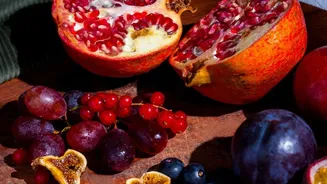
Pomegranate peels are celebrated for their exceptional antioxidant content, even surpassing the seeds. These antioxidants, including polyphenols and flavonoids, are excellent at fighting free radical damage, a key contributor to premature ageing. For dry, irritated winter skin, pomegranate peel is a soothing solution. Its anti-inflammatory properties can help reduce redness and calm stressed skin. Furthermore, it helps lock in moisture and supports collagen synthesis, making the skin appear firmer and more hydrated. A powder made from dried pomegranate peels can be mixed into a paste with water or rose water for a deeply nourishing and protective face mask.
Banana Peels: A Gentle Soother
Don’t throw away that banana peel after your morning smoothie. The inner part of the peel is rich in nutrients like potassium, magnesium, and vitamins B6 and B12, which are known to nourish and hydrate dry skin. Gently rubbing the inside of a banana peel on your skin can provide a soothing and moisturizing effect, helping to calm inflammation and reduce the appearance of fine lines by providing a temporary plumping effect. While not a miracle cure, its natural enzymes offer a very mild form of exfoliation, and its moisture content can leave skin feeling softer and more supple.
A Word on Safety
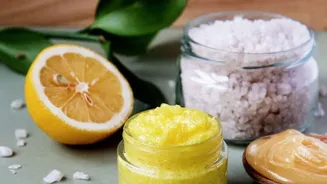
While natural, fruit peels are potent, and not all are suitable for direct application. Citrus peels, like lemon and orange, contain oils that can be highly irritating and cause photosensitivity, increasing the risk of sun damage. It is always safest to use these peels in their dried, powdered form. Before applying any new ingredient to your face, perform a patch test on your inner arm to check for any adverse reactions or allergies. If you experience any stinging, burning, or redness, wash the product off immediately. People with sensitive skin or conditions like eczema should be particularly cautious.