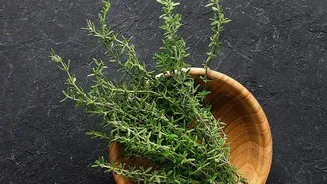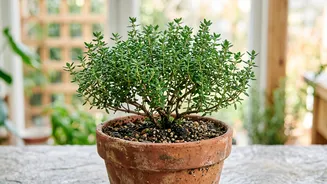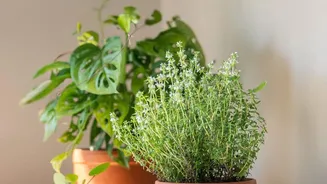

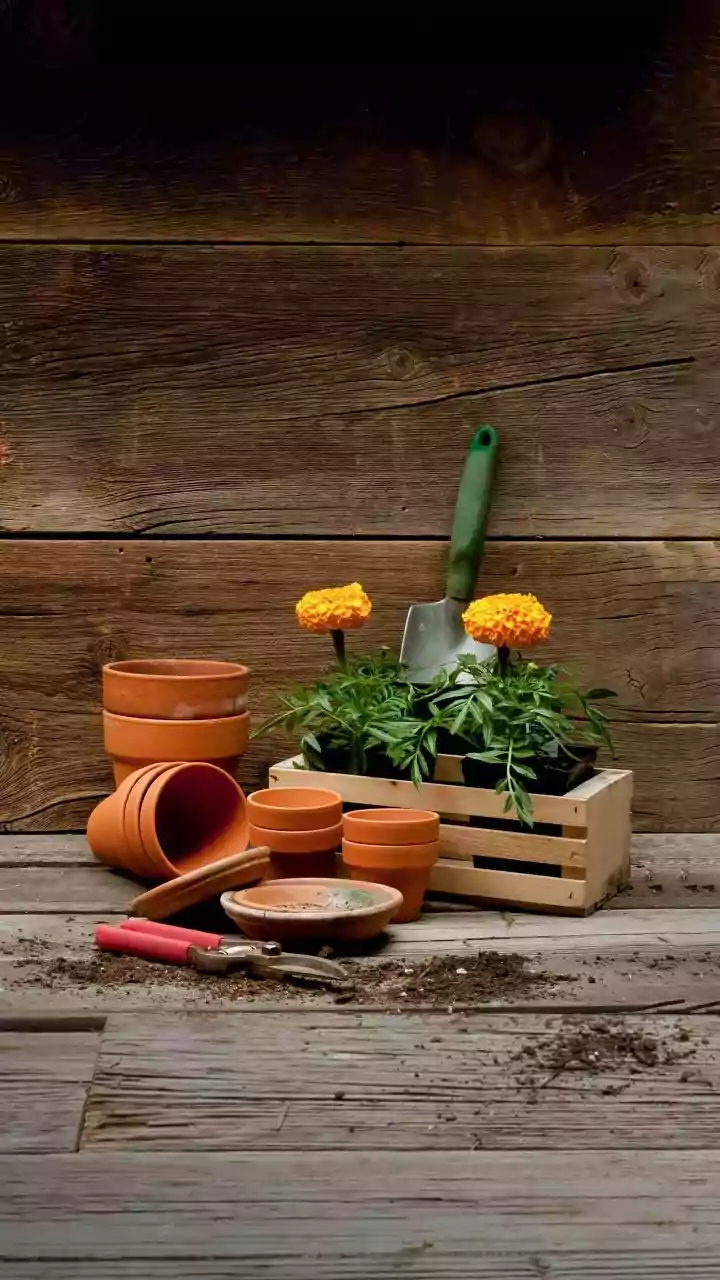

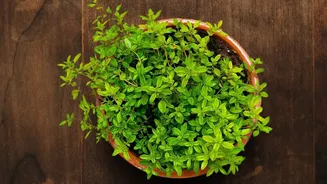
The aroma of fresh thyme can elevate a dish from simple to spectacular, and growing your own is surprisingly easy. All it takes is a sunny spot and the right container—specifically, a terracotta pot with excellent drainage.
Why Terracotta is a Top Choice
Thyme is a Mediterranean herb
that despises 'wet feet'. Its roots are prone to rot in soil that stays soggy, which is the most common reason these hardy plants fail in containers. This is where terracotta pots shine. Made from natural, porous clay, these pots allow air and moisture to pass through their walls. This 'breathability' helps the soil dry out more evenly between waterings, preventing the waterlogged conditions that thyme hates. While you may need to water a bit more often in hot weather, the pot's ability to regulate moisture is a huge advantage for creating the dry, airy environment thyme needs to thrive.
The Perfect Soil Mix
Replicating thyme's native, rocky habitat is key to success. Standard potting soil is often too dense and retains too much moisture. Instead, you need a lean, well-draining mix. You can create an ideal blend by combining two parts standard potting mix with one part coarse sand, perlite, or fine horticultural grit. This mixture ensures that excess water flows away quickly, keeping the roots healthy and preventing compaction. Thyme doesn't require rich soil; in fact, overly fertile conditions can lead to weak, leggy growth with less concentrated flavour.
Planting Your Thyme
When you’re ready to plant, start with a young, healthy thyme plant from a nursery, as growing from seed can be slow. Choose a pot that is at least 20-30 cm wide to give the plant room to spread. Ensure the drainage hole at the bottom is clear. You can place a piece of mesh over it to prevent soil from washing out. Half-fill your pot with the gritty soil mix. Gently remove the thyme from its nursery container, loosen the root ball slightly, and place it in the new pot. The top of the root ball should sit just below the rim. Fill the rest of the pot with your soil mix, gently firming it around the base of the plant. Water well once to settle the soil, allowing excess to drain completely.
Sunlight and Watering Essentials
Thyme craves sunlight. To develop the essential oils that give it its wonderful aroma and flavour, the plant needs at least six hours of direct sun each day. A south facing windowsill or a sunny spot on a balcony is ideal. When it comes to watering, less is more. The biggest mistake is overwatering. Before you water, check the soil by poking your finger about an inch or two deep. If it feels dry, it's time to water. Water thoroughly until you see it run out the drainage hole, then let the pot dry out completely before watering again.
Harvesting for Bushy Growth and Great Flavour
Regular harvesting encourages the plant to become bushier and more productive. For the most intense flavour, snip sprigs in the morning after the dew has dried but before the heat of the day. The flavour is also at its peak just before the plant flowers. Use clean scissors to cut the top few inches of the green, leafy stems, always making your cut just above a set of leaves. This will prompt the plant to send out new shoots from that point. Avoid cutting into the tough, woody base of the plant, as it may not regrow from old wood.