


Your Simple Stargazing Toolkit
You don't need expensive equipment to start your stargazing journey. The most important tool is a dark sky, away from the glare of city lights. Find a spot with a clear, unobstructed view of the horizon. Give your eyes at least 20 minutes to fully adjust
to the darkness; avoid looking at your bright phone screen during this time. If you need light, use a torch with a red filter, as red light is less disruptive to your night vision. While monsoon clouds can be a challenge across much of India, seize any clear night you get. Regions like Ladakh, Spiti Valley, or western Rajasthan often have better odds for clear skies during this period.
The Moon: A Beautiful Obstacle
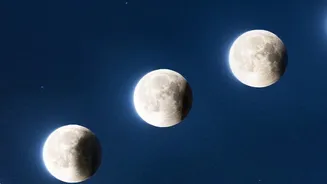
The Moon's phase is a key factor in what you can see. For late August 2026, the sky-watching week begins with the First Quarter Moon on August 20 and ends with a bright Full Moon on August 28. This means that with each passing night, the Moon will be brighter and visible for longer, washing out fainter stars and the Milky Way. The best nights for spotting faint objects will be earlier in the last week of August. As the month closes, the Full Moon itself becomes the main attraction, dominating the celestial landscape.
Evening Stars: Venus and Saturn
Two of our solar system's brightest gems are putting on a show. The first and easiest to spot is Venus, which will be a dazzlingly bright point of light in the western sky shortly after sunset. You can't miss it. As the sky darkens further, turn your attention to Saturn. Visible for most of the night, it will shine with a steady, golden-hued light. Unlike twinkling stars, planets tend to have a more constant glow. Both Venus and Saturn are brilliant naked-eye targets, making them perfect rewards for beginner skywatchers.
An Early Riser's Planetary Parade
If you are up before the Sun, more planets await. Mars will be visible in the pre-dawn sky, a relatively bright object for early risers. Joining it are Jupiter and Mercury, though they will be much tougher targets for beginners. Both will be very low on the eastern horizon in the growing twilight just before sunrise. A clear view free of buildings and trees is essential to catch a glimpse of these two before they are lost in the Sun's morning glare.
Gazing into the Heart of the Milky Way
Late August is one of your last chances this season to easily see the magnificent core of our own galaxy, the Milky Way. On a clear, moonless night, look towards the southern horizon for the constellations of Scorpius and Sagittarius. From a dark location, this region will appear as a faint, glowing cloud of stars. The view is best in the third week of August, before the waxing moon's light becomes too intense. While you're looking up, you can also spot the Summer Triangle, a prominent trio of bright stars—Vega, Deneb, and Altair—located almost directly overhead in the night sky.
Catching the Fading Echo of the Perseids
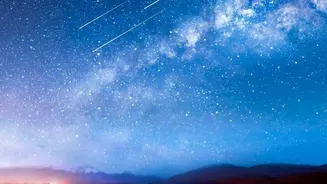
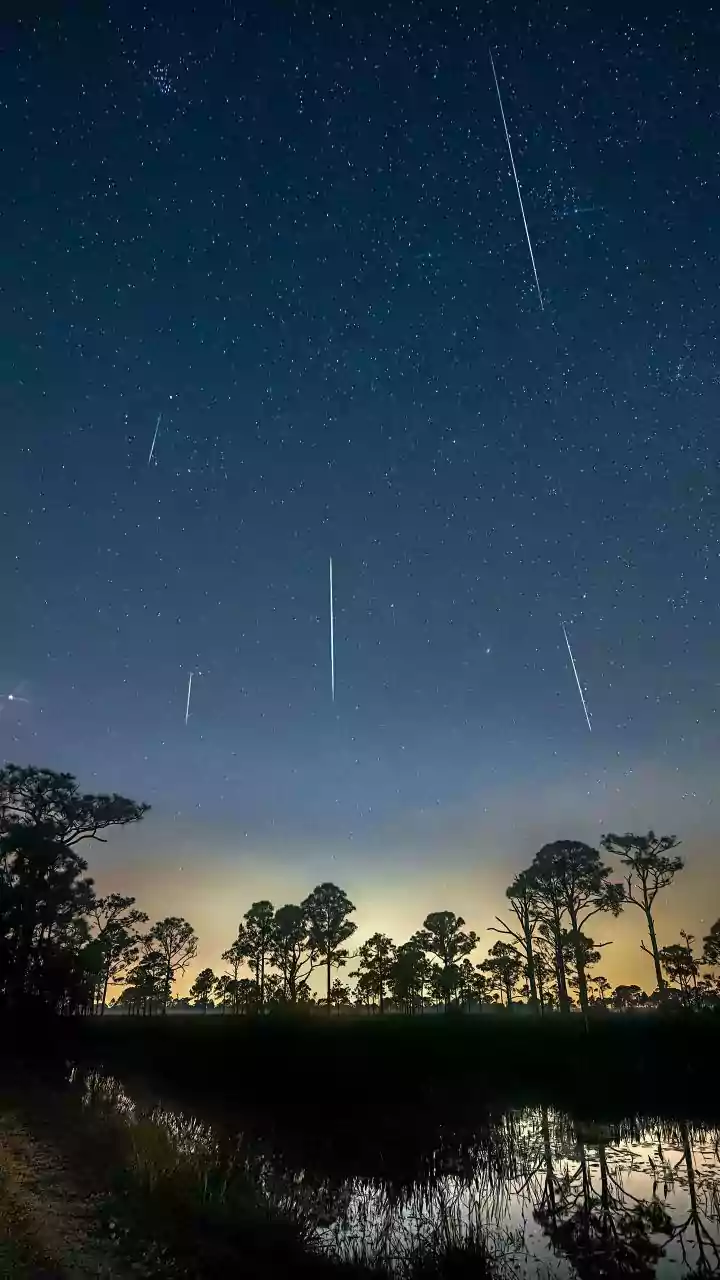
The famous Perseid meteor shower delivered its main spectacle around August 12-13, but the show isn't completely over. The shower remains active until about August 24, meaning you can still catch some of its lingering shooting stars. On a clear night, especially after midnight, find a comfortable spot to lie back and simply watch the sky. While you won't see the 100-per-hour rate of the peak, you may still be rewarded with the occasional bright meteor streaking across the cosmos—a beautiful farewell from one of the year's best celestial events.