

The Burnout From the ‘Quick Trip’
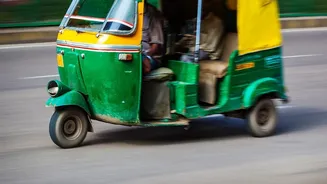
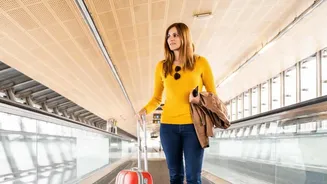
For many urban Indians, a weekend trip is a frantic sprint. It involves jam-packing an itinerary with sightseeing, activities, and travel, all squeezed into 48 hours. The goal is to maximise every moment, but this often leads to what’s known as travel burnout.
You race from one viewpoint to another, ticking off a checklist of ‘must-see’ spots, only to return to the work week feeling drained and in need of another holiday to recover from the holiday. This cycle of high-stress leisure has prompted many to question the very purpose of a short break. Is it just to accumulate photos and experiences, or is it to genuinely rest and recharge? This dissatisfaction with fast-paced tourism is paving the way for a more intentional approach.
Enter the Slow Weekend
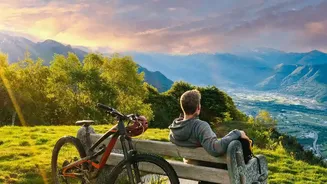
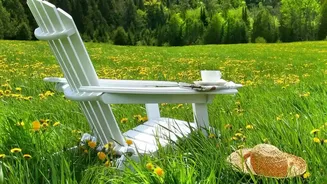
Slow travel is a mindset that prioritises depth over breadth. It's an intentional shift from 'seeing it all' to 'savouring one thing'. Originating from the Slow Food movement in Italy, which championed local cuisine over fast food, this philosophy applies the same principles to travel. A slow weekend isn't about doing nothing; it's about doing less, more meaningfully. Instead of visiting five places in a district, you might choose to explore just one village. It means swapping a packed schedule for a flexible one, allowing for spontaneous discoveries. Think lingering over a coffee at a local cafe, taking a long, aimless walk, or spending an afternoon reading by a lake. The focus shifts from the destination as a checklist to the destination as an experience.
Why the Shift is Happening Now
The growing interest in slow weekend trips across India isn't accidental. It’s a direct response to the pressures of modern urban life. Post-pandemic priorities have shifted, with a greater emphasis on mental health, mindfulness, and authentic experiences. Many are seeking an escape not just from their location, but from the constant connectivity and pressure to be productive. A slow weekend offers a genuine opportunity to disconnect. Furthermore, travellers are becoming more conscious of their impact, preferring to support local economies by staying in homestays, eating at small establishments, and engaging with communities on a deeper level. It's a move away from extractive tourism towards a more sustainable and mutually beneficial form of travel.
The Lasting Benefits of Slowing Down
The rewards of a slow weekend extend far beyond simply feeling rested. By immersing yourself in one place, you build a more profound connection with the local culture, people, and environment. These trips often lead to more memorable and authentic experiences, like discovering a hidden trail, learning a local recipe, or having an unexpected conversation with a shopkeeper. Studies have also shown that spending unhurried time in nature can significantly reduce stress and improve mental well-being. This approach makes travel less about consumption and more about personal growth and genuine relaxation. You return not just with pictures, but with stories and a renewed sense of calm.
How to Plan Your First Slow Escape
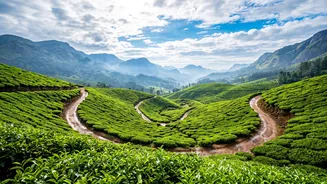
Embracing slow travel is simpler than it sounds. Start by picking one destination—a single town or even a specific neighbourhood—and commit to staying there. Instead of a hotel, consider a homestay or a villa to get a feel for local life. Leave your itinerary open. Plan one key activity for the day and let the rest unfold naturally. Use local transport, walk as much as possible, and eat where the locals do. Most importantly, give yourself permission to be bored; it’s often in these quiet moments that the most beautiful discoveries happen. Destinations like the backwaters of Kerala, the serene valleys of Himachal like Tirthan or Jibhi, the coffee estates of Coorg, or the quiet villages of North Goa are perfect for this style of travel.