



More Than a Meal, It's a Narrative
A storytelling menu does exactly what its name suggests: it tells a story. Instead of just listing appetizers, mains, and desserts, these menus are crafted around a central theme, concept, or personal journey. Dining has evolved beyond simply satisfying
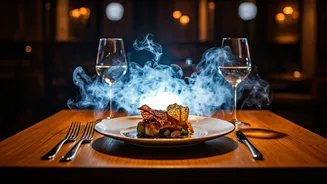
hunger; it is now about evoking emotion and connection. The chef acts as an author, using ingredients, presentation, and even the dining environment to guide guests through a culinary plot. The story could be inspired by a chef's childhood memory, the history of a specific region, or an abstract concept like a color or a piece of music. This approach turns the meal into an immersive experience where each bite reveals another part of the story.
The Chef as Storyteller
In this new dining landscape, chefs have become modern-day storytellers, using food as their language. Every dish has a backstory, whether it's a family recipe passed down through generations or an innovative creation sparked by travel. For example, a chef might craft a menu that follows the life cycle of an ingredient from seed to harvest, or one that reinterprets historical dishes for a contemporary palate. In India, this trend is taking root as chefs use the country's rich spice heritage to narrate stories of regions and traditions. Instead of just serving food, they explain the origin of spices and the cultural meaning behind a dish, forging a deeper connection with diners.
An Experience for All Senses
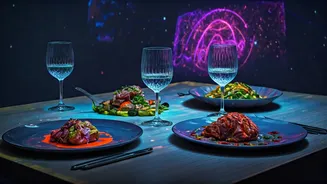
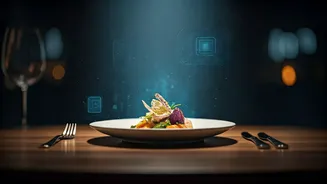
This trend is part of a broader shift towards 'experiential dining,' which aims to engage all the senses. It's not just about how the food tastes, but also how it looks, smells, and even sounds. Restaurants are creating immersive environments that transport diners to different worlds. This might involve visual projections, curated soundscapes, and even scent diffusion that complement the narrative on the plate. Some experiences are highly theatrical, like Le Petit Chef, where a tiny animated chef 'cooks' on your plate through 3D projection mapping. The goal is to create a multi-sensory environment where food is just one part of a broader, more memorable narrative.
Why Is This Happening Now?
Several factors are driving the rise of storytelling menus. Diners today, particularly younger generations, are increasingly seeking unique and memorable experiences rather than just transactional meals. In a world saturated with social media, these shareable, story-driven moments have become a form of social currency. A 2023 consumer trends survey showed a significant increase in demand for experiential dining formats over traditional settings. As dining out becomes more of an event, guests are looking for experiences that feel meaningful and leave them with a memory, not just a full stomach. For many, this has become a way to connect more deeply with their food and its cultural origins.
From Emojis to Edible Chapters
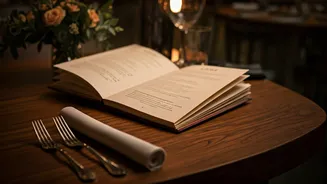
Storytelling menus can take many forms. At the acclaimed Bangkok restaurant Gaggan Anand, the menu once consisted only of emojis, leaving diners to guess the dish and sparking curiosity before the first plate even arrived. In Mumbai, Chef Niyati Rao of Ekaa uses an 'ingredient-first' approach to celebrate India's biodiversity, with menus that might be inspired by tinkle comics from her childhood. Other restaurants may use the menu's physical design, with illustrations and detailed descriptions, to tell a story about ingredient sourcing or the chef's philosophy. The common thread is the transformation of the dining experience from a passive act of eating to an active journey of discovery.