


The Psychology of Cozy
Before you start adding items to your space, it helps to understand why texture works. Our sense of touch is deeply connected to our emotions. When we encounter soft surfaces, our brains can release hormones associated with comfort and security, making
us feel calm and relaxed. Smooth, hard surfaces like tile and glass reflect light and can feel sleek and modern, but an overabundance of them can make a space feel cold and sterile. Soft textures, on the other hand, absorb light and sound, which adds visual depth and literally quiets a room, reducing echo and creating a more serene atmosphere. By layering different materials, you engage the senses and make a room feel more dynamic and complete.
Start From the Ground Up With Rugs
One of the quickest ways to combat a bare floor is with an area rug. A plush or high-pile rug instantly adds warmth underfoot and anchors your furniture, defining a specific zone like a seating area. Don’t be afraid to layer. Placing a smaller, patterned or more textured rug (like a faux fur or wool rug) on top of a larger, neutral one (like jute or a flat-weave) adds depth and a collected-over-time feel. In high-traffic areas or even kitchens, a good rug can add comfort and visual interest, making the entire space feel more cohesive.
Layer Throws and Pillows Liberally
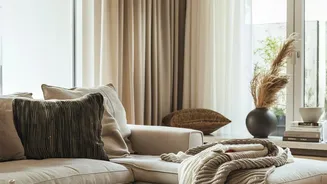
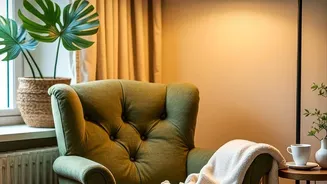
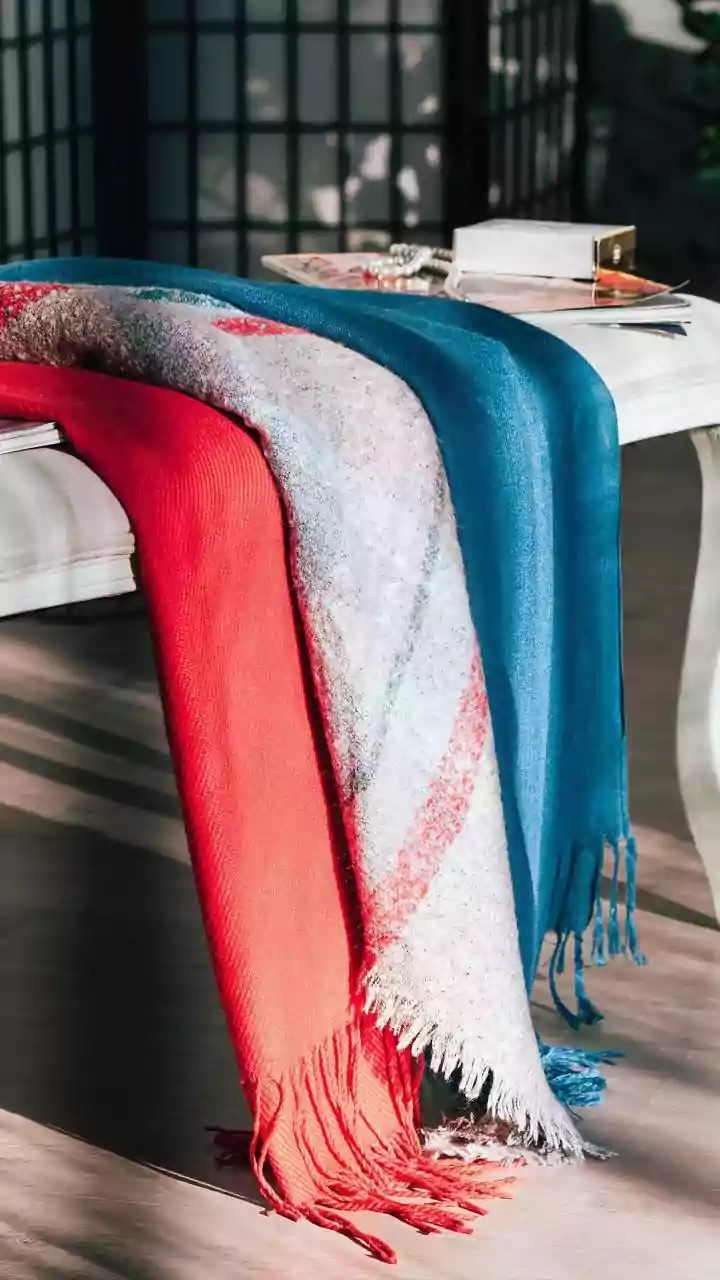
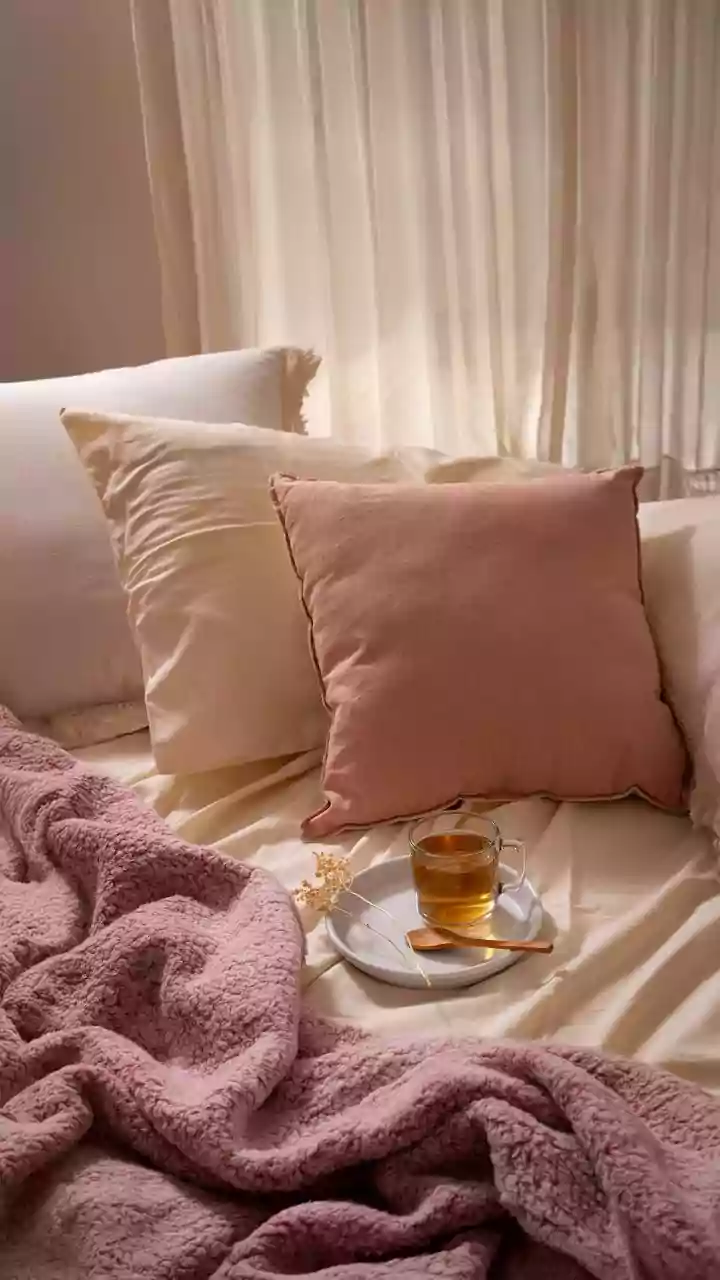
Sofas and chairs are prime real estate for adding texture. This is the easiest and most affordable way to experiment. Mix and match pillows of different materials, such as velvet, chunky knits, linen, cotton, and bouclé. This variety keeps even a neutral color scheme from looking flat. A soft throw blanket draped over the arm of a chair or folded at the end of a sofa is not just for chilly nights; it’s a permanent style element that signals comfort. Consider a chunky knit for a rustic feel or a lightweight waffle-knit for a more casual look.
Soften Windows with Curtains
Bare windows can contribute to a room's starkness. Window treatments add a vertical layer of texture that can dramatically change the feel of a space. Heavy drapes in materials like velvet or thick linen provide insulation and a sense of plushness, making a room feel more enclosed and cozy. For a lighter touch, sheer linen or cotton curtains can diffuse sunlight, casting a soft glow that reduces glare and adds a gentle, airy texture. Layering heavier drapes over sheer panels gives you the best of both worlds, offering privacy and style flexibility.
Don't Forget the Walls
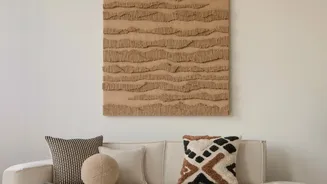
Stark, flat walls can be a major source of coldness in a room. You can introduce texture here without it being overwhelming. Consider a fabric wall hanging, a large-scale macrame piece, or even framed textiles to add softness and artistry. Another increasingly popular option is textured wallpaper, such as grasscloth, which brings a natural, woven element to a feature wall. Even certain paint techniques or finishes, like limewash or plaster, can give walls a subtle depth and a warmer, more organic feel than a standard flat paint.
Incorporate Natural and Upholstered Pieces
Texture isn't just about fabric. Natural materials like wood, rattan, and leather bring their own organic warmth into a space. A wooden coffee table, a rattan basket for storing blankets, or a leather armchair can provide a beautiful contrast to softer textiles. When choosing large furniture pieces, consider upholstered items. A fabric-covered headboard in a bedroom or a fully upholstered sofa in the living room contributes significantly to the overall softness of the space, far more than a metal or wooden bed frame would.