

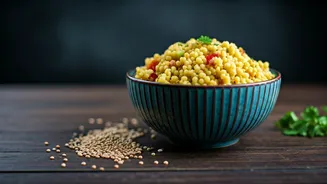
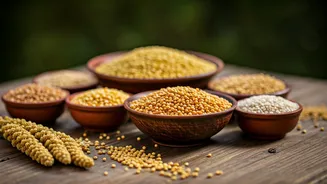


The Rise of the Ancient Grains
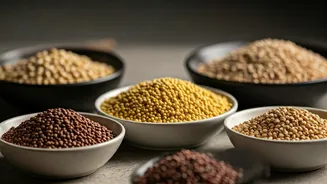
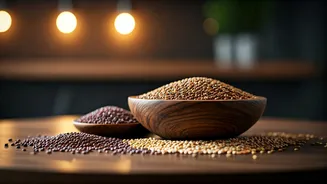
Not long ago, millets like Ragi (finger millet) and Bajra (pearl millet) were primarily associated with traditional, rustic meals—hearty rotis, warming porridges, and simple khichdis. [23] While always valued in home cooking, especially in rural India,
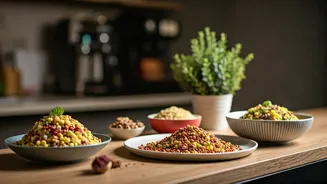
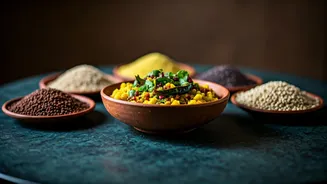
they rarely made an appearance on the menus of chic urban eateries. Today, that picture is changing dramatically. A quiet revolution is underway, and it’s taking place on our brunch plates. [22] Spurred by a collective shift towards wellness and a renewed interest in local ingredients, these humble grains are being reimagined. [12] From Ragi pancakes and waffles to Bajra crepes and uttapams, chefs are creatively integrating these nutritious powerhouses into the most fashionable meal of the week. [24, 12] This trend reflects a broader consumer movement, with a recent survey showing that 70% of Indian households now regularly consume millets, driven by health consciousness. [6]
A Nutritional Powerhouse on Your Plate
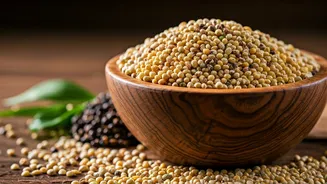
So, why the sudden surge in popularity? The answer lies in their incredible nutritional profiles. [10] Ragi is a veritable calcium king, boasting one of the highest concentrations of calcium among all cereals, making it essential for bone health. [3, 5] It's also packed with protein and amino acids. [14] Bajra, on the other hand, is an iron and energy champion, prized for its ability to combat fatigue and anaemia. [3] It’s also rich in protein and fibre, which aids digestion. [4] Both millets are gluten-free, making them an excellent choice for those with dietary sensitivities. [11] They also have a low glycemic index, which helps in managing blood sugar levels, and are loaded with fibre, which keeps you feeling full for longer, aiding in weight management. [9, 4] This potent combination of health benefits makes them a smart and strategic addition to any meal, particularly a leisurely brunch.
From Porridge to Pancakes: The Brunch Makeover
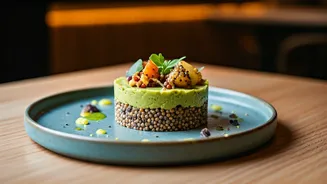
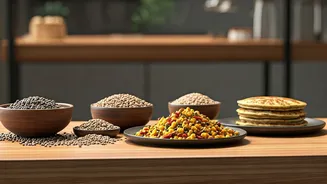
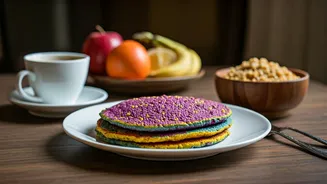
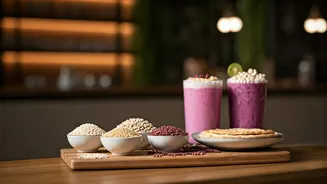
The real magic of this trend lies in its culinary creativity. Chefs are moving beyond traditional preparations and using millet flours as a versatile base for modern brunch classics. [12] Imagine starting your Sunday with a stack of fluffy Ragi pancakes, perhaps drizzled with honey and topped with fresh fruit. Or consider a savoury Bajra cheela or uttapam, loaded with finely chopped vegetables and spices. [26, 24] These new creations are not just about substituting one flour for another; they're about celebrating the unique textures and nutty, earthy flavours of millets. [17] We're seeing everything from Ragi dosas and idlis to millet-based granola and even baked goods like cookies and brownies finding their way onto cafe menus. [21, 23] This innovative approach makes ancient grains accessible and exciting for a new generation of diners who want their food to be both delicious and nourishing.
More Than a Fad: Why This Trend Has Staying Power
The rise of millets in modern Indian cuisine is more than just a fleeting trend. It’s a reflection of deeper shifts in our food culture. The UN's declaration of 2023 as the 'International Year of Millets' significantly boosted awareness, but the momentum has been building for years. [12, 15] A post-pandemic focus on immunity and health has made people more conscious of what they eat. [6, 12] There's also a growing 'go local' movement, with both chefs and consumers celebrating indigenous ingredients and sustainable food systems. [16] Millets are climate-resilient crops that require less water than rice and wheat, making them a smart choice for the planet. [5, 16] As this awareness grows, the demand for millet-based products is expected to continue rising, cementing their place not just in our kitchens, but in our cafes and restaurants too. [8]