



Planetary Playdates in the Pre-Dawn Sky
July is a fantastic month for early risers who love planets. Several celestial meetups are scheduled, best viewed in the hours before sunrise. On July 4, Mars and Uranus will have an exceptionally close conjunction, appearing just a fraction of a degree
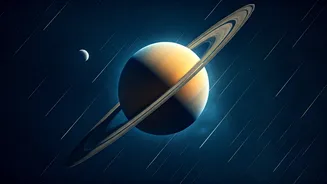
apart. While reddish Mars will be easy to spot with the naked eye, you'll likely need binoculars to see the faint blue-green dot of Uranus right beside it. A few days later, on July 7, the Moon joins the party, cozying up to the giant ringed planet Saturn. Look for the pair climbing above the eastern horizon after midnight; Saturn will resemble a steady, golden star that doesn’t twinkle. Then, around July 10 and 11, the crescent Moon will form a stunning tableau with Mars and the beautiful Pleiades star cluster, also known as the Seven Sisters.
The Buck Moon Meets Guru Purnima
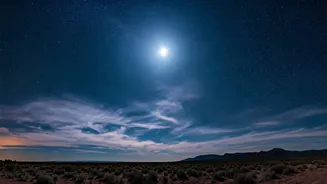
Mark your calendars for the evening of July 29. This is when the month's full moon, known in Western traditions as the 'Buck Moon,' will reach its peak brightness around 8 PM IST. This name comes from the time of year when male deer begin to grow their new antlers. What makes this full moon truly special for observers in India is that it coincides perfectly with Ashadha Purnima, or Guru Purnima. This sacred day in Hindu, Buddhist, and Jain traditions is a time to honor teachers and gurus. The convergence makes the July full moon one of the most anticipated lunar events of the year, blending astronomical wonder with deep cultural significance. Look east around sunset to watch it rise, appearing large and golden on the horizon.
A Tricky Double Meteor Shower
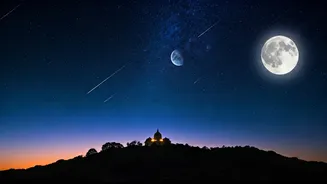
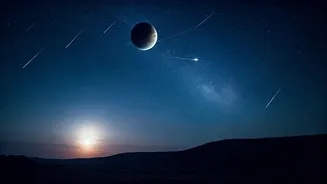
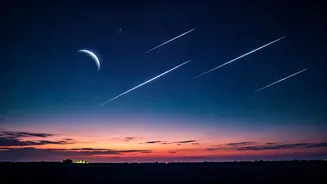
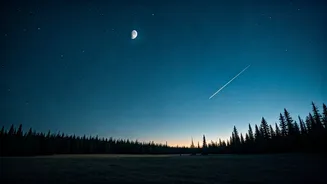
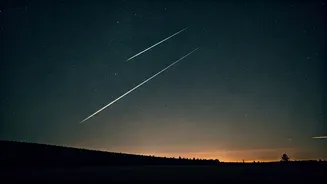
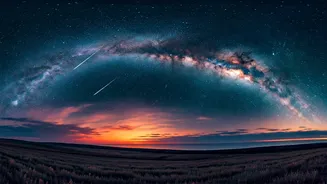
July ends with a potential flurry of shooting stars as two meteor showers, the Southern Delta Aquariids and the Alpha Capricornids, peak simultaneously around July 30-31. Combined, they can produce up to 25 or 30 meteors per hour under perfect conditions. However, there's a major catch this year: the peak happens just after the full moon on July 29. The bright moonlight will shine all night, washing out all but the brightest meteors. It's a bit like trying to watch a movie with the lights on. For a better chance, you could try looking in the pre-dawn hours during the week before the peak, from July 21 to 26, when the sky will be darker. Another tip is to look for the Alpha Capricornids, which are less frequent but known for producing slow, bright fireballs that might be strong enough to power through the lunar glare.
Tips for the Best Viewing
Regardless of what you plan to see, a few simple tips can dramatically improve your skywatching experience. The biggest challenge, especially during the monsoon season, is finding a clear sky. Keep an eye on your local weather forecast. To see fainter objects like meteors or the planet Uranus, it’s crucial to get away from city light pollution. Find a spot with a dark, unobstructed view of the horizon. Give your eyes at least 15-20 minutes to adjust to the darkness; this will help you spot more stars. While most of July's key events are visible to the naked eye, a pair of binoculars or a small telescope can reveal incredible details, like the rings of Saturn or the many stars of the Pleiades cluster. Most importantly, be patient. The universe operates on its own time, and the rewards for looking up are always worth the wait.