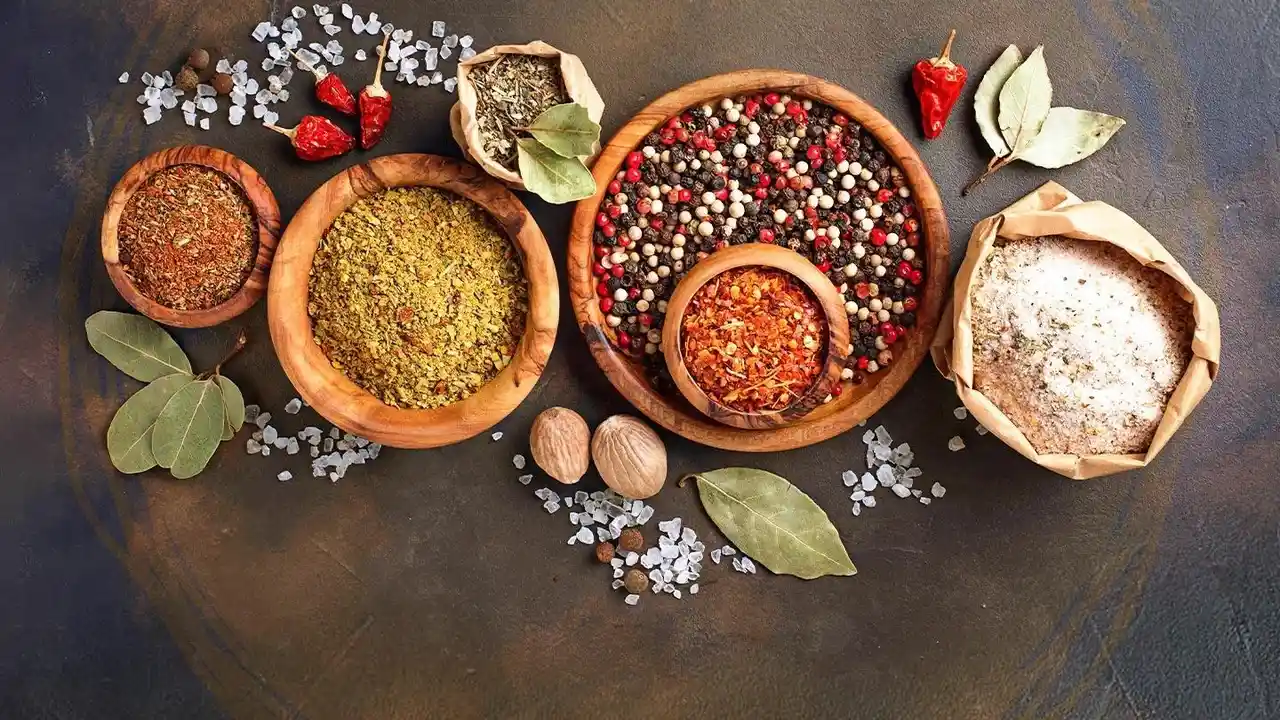







A Spice with a Storied Past
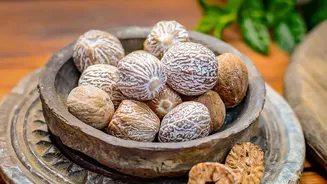
Nutmeg, the seed of the Myristica fragrans tree, has been a prized commodity for centuries, once valued as highly as gold. Beyond its culinary uses, it holds a place in traditional medicine systems for various ailments. In small, food-grade amounts, nutmeg
is perfectly safe and adds a distinctive flavor to dishes. The claims surrounding its brain-altering effects, however, stem not from its use in cooking but from consuming it in dangerously large quantities, a practice that has circulated on the fringes and, more recently, through social media challenges. The distinction between a pinch in a recipe and multiple spoonfuls is critical, as this is where the spice crosses the line from flavorful to toxic.
The Chemical Behind the Claims: Myristicin
The primary source of nutmeg's psychoactive and toxic properties is a natural compound called myristicin. Found in the essential oil of the nutmeg seed, myristicin affects the central nervous system. Its chemical structure is similar to other psychoactive compounds, and when metabolized by the body, it can interfere with neurotransmitters like norepinephrine, leading to altered perception and mood. It's this compound that is responsible for the 'high' people chase. However, myristicin is also a potent toxin. The body does not process it easily, and the effects are far from the clean, therapeutic action of a developed medical treatment.
The Reality of a Nutmeg 'High'
Far from being a pleasant or insightful experience, nutmeg intoxication is a severe and distressing medical event. Symptoms typically begin three to eight hours after ingesting a large dose—generally five grams or more—and can last for over 24 hours. The experience is often compared to a severe, two-day hangover. Common symptoms include intense nausea, dizziness, extreme dry mouth, rapid heartbeat, and confusion. The psychoactive effects are not gentle; they often manifest as frightening hallucinations, agitation, feelings of impending doom, and severe anxiety. In some documented cases, individuals have required hospital treatment, including intravenous fluids and sedatives, to manage the severe symptoms. It is a state of poisoning, not therapeutic enhancement.
Why 'Intoxication' Is Not 'Treatment'
The core issue with the 'brain treatment' claim is a misunderstanding of what a medical treatment entails. Established brain treatments are the result of rigorous scientific research, clinical trials, and precise dosing to achieve a specific, beneficial effect while minimizing side effects. Nutmeg toxicity does the opposite. Its effects are unpredictable, overwhelmingly negative, and physically dangerous. While some preliminary animal and lab studies have explored whether compounds in nutmeg, like myristicin or macelignan, might have neuroprotective properties, this research is far from conclusive in humans. These studies do not endorse consuming large amounts of the raw spice. Promoting nutmeg as a brain treatment is not only unsupported by science but is dangerously irresponsible, as an overdose can lead to severe poisoning, organ damage, and in rare cases, can be fatal, especially when mixed with other substances.
The Verdict: Spice Cabinet, Not Medicine Cabinet
While traditional medicine has used nutmeg for centuries and modern science is exploring its compounds, it remains firmly in the category of a culinary spice. Its antioxidant and anti-inflammatory properties, enjoyed in small amounts, are where its health benefits lie. There is no scientific basis for using nutmeg as a treatment for any brain condition. The claims circulating online are based on its toxic, psychoactive effects at high doses, which are harmful and unpleasant. The intoxicating effects are a sign of poisoning, not healing or cognitive enhancement. The 'nutmeg challenge' and similar trends are a dangerous game with serious health consequences, including potential hospitalization.