






Embrace the Monsoon Advantage
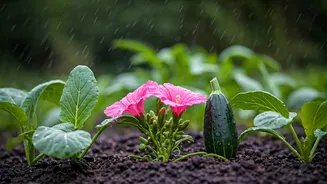
Gardening during the monsoon isn't about fighting the weather; it's about harnessing its power. The most obvious benefit is natural irrigation, which saves you time and water. Consistent moisture, high humidity, and softer soil create ideal conditions
for seed germination and root establishment. Cooler temperatures are a relief for both gardeners and plants, reducing the stress that intense summer heat can cause. Many plants that struggle in the dry season will thrive in these conditions. This is the time when your garden can truly come alive with lush, vibrant growth, often with less effort than you might think.
Pick Your Monsoon Champions
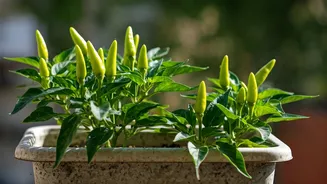
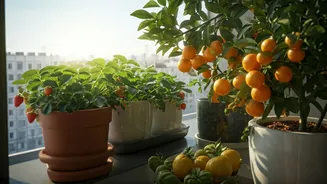
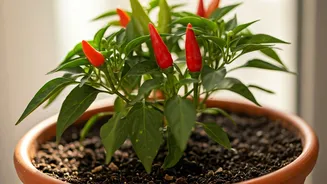
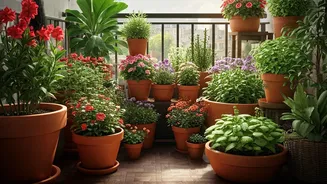
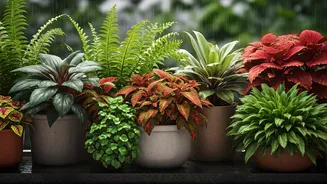
The key to simple monsoon gardening is choosing the right plants. Opt for vegetables and herbs that are well-suited to India's warm and humid rainy season. The gourd family, including bottle gourd (lauki), bitter gourd (karela), and ridge gourd (turai), are undisputed champions, growing vigorously with the humidity. Okra (bhindi), beans, cucumbers, and brinjals also perform exceptionally well. For leafy greens, consider planting spinach (palak) and amaranth. If you're working with pots on a balcony, chillies, tomatoes, and herbs like mint and coriander are fantastic choices that can handle container life. These varieties are not only easy to grow but also reward you with a continuous harvest throughout the season.
Mastering the Downpour
The biggest challenge of monsoon gardening is not a lack of water, but too much of it. Waterlogging can suffocate roots and lead to rot. The solution is simple: ensure excellent drainage. If you're using pots, make sure they have plenty of drainage holes. You can even add a layer of broken terracotta pieces or gravel at the bottom before adding soil. For garden beds, consider creating raised beds to elevate plants above waterlogged ground. Using a well-draining potting mix is also crucial; a combination of soil, compost, and coco peat works well to prevent compaction. On days with particularly heavy downpours, you can temporarily move smaller pots to a sheltered location like a porch or under an eave.
Support and Protect Your Plants
Heavy rain and winds can be tough on plants, especially delicate seedlings and tall, vining varieties. Providing support is essential. For climbers like gourds and beans, install a sturdy trellis or stakes early on. This keeps the vines and their fruit off the wet ground, preventing rot and improving air circulation. You can also use a layer of organic mulch, such as straw or dry leaves, around the base of your plants. Mulching acts as a protective barrier, absorbing the impact of heavy raindrops, preventing soil erosion, and suppressing weed growth.
Keep Pests and Diseases at Bay
High humidity makes the monsoon a prime time for fungal diseases like powdery mildew and pests like aphids, slugs, and snails. However, management can be straightforward. The first line of defense is good airflow, so avoid overcrowding your plants. Prune any dead or diseased leaves promptly to prevent problems from spreading. Regularly check your plants for any signs of infestation. Many common issues can be managed with simple, organic solutions. A spray of neem oil is an effective natural pesticide and fungicide for many common garden ailments. By staying vigilant, you can keep your garden healthy without resorting to harsh chemicals.