





Beyond Butter Chicken and Naan
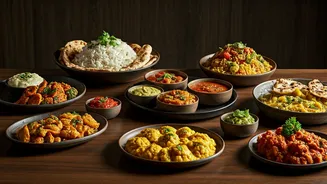
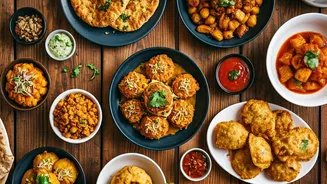
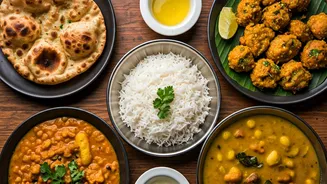
For a long time, the perception of Indian food, both within the country and abroad, was shaped by a handful of popular North Indian dishes. [3, 31] Menus at most restaurants felt comfortingly predictable, dominated by creamy curries, tandoori items, and various
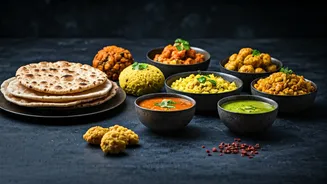
breads like naan and paratha. [3, 31, 35] This wasn't without reason; the migration of Punjabi refugees after Partition helped popularise their robust and flavourful dishes, making them a delicious and accessible entry point to Indian cuisine. [31] While beloved, this focus meant that the vast culinary diversity of India's other regions—from the coastal delicacies of Goa and Kerala to the unique tribal flavours of the Northeast—remained largely within home kitchens. [5, 11] That era is decisively ending. A culinary renaissance is reshaping how India eats out, with chefs and diners alike championing authenticity and variety. [5, 11]
The Drivers of a Delicious Revolution
Several factors are fuelling this shift. A new generation of chefs is leading the charge, eager to showcase their own heritage and move beyond generic offerings. [4, 5] They are resurrecting forgotten family recipes and celebrating indigenous ingredients, from Naga peppers to hyperlocal greens. [5, 17] At the same time, Indian diners have become more adventurous. [11, 13] Increased travel, exposure through social media and food shows, and a growing cultural pride have created a strong demand for authentic dishes that tell a story. [11, 13] Younger consumers, in particular, see dining as a form of exploration and are keen to connect with their roots. [11, 13] This curiosity has encouraged restaurants to specialise, confident that there is an audience for cuisines that were once considered too niche for the mainstream market. [7, 9]
Spotlight on the Stars: Naga, Bengali, and Bihari Cuisine
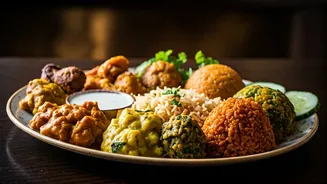
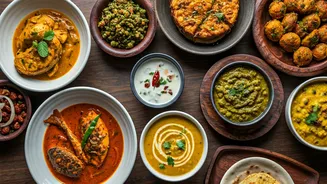
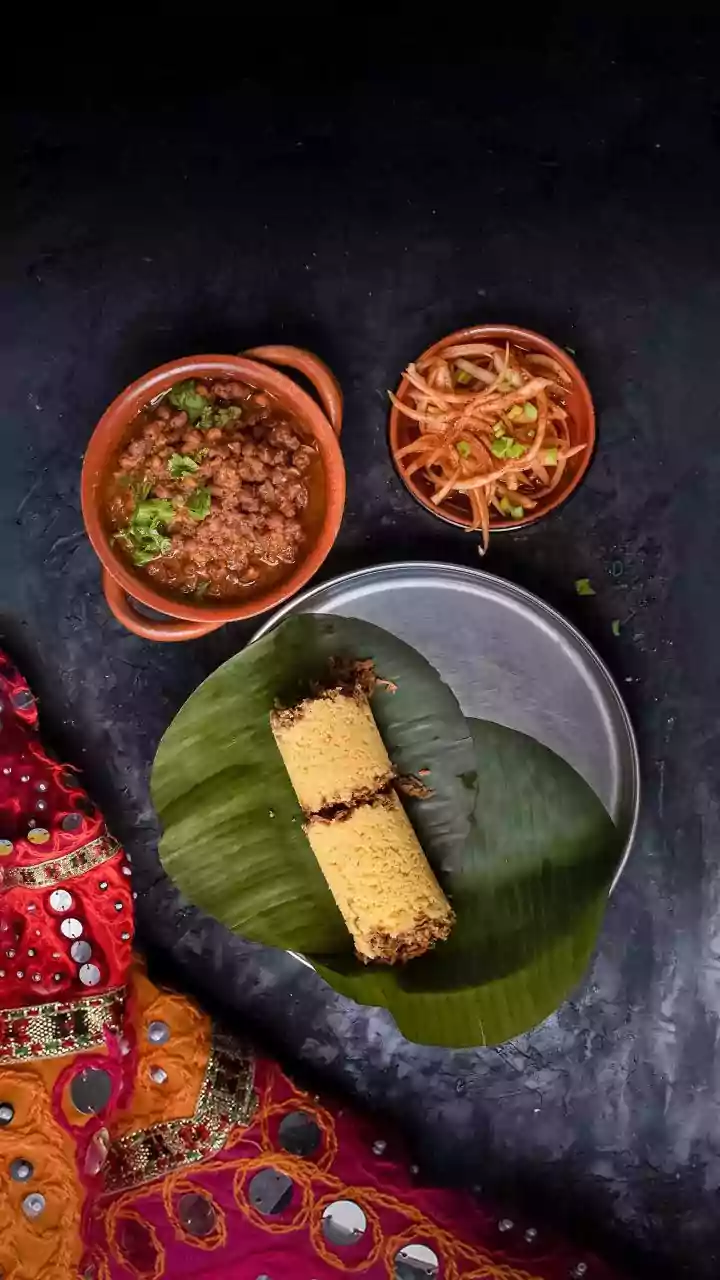
Among the cuisines stepping into the limelight is Naga food, once dismissed for its pungent fermented ingredients but now celebrated for its unique focus on smoking and preserving natural flavours. [13, 15, 16] Restaurants in cities like Delhi and Bengaluru now proudly serve Naga specialities, which have found a willing audience. [15, 16] Similarly, Bengali cuisine is having a moment, with restaurant chains like Oh! Calcutta and Bhojohari Manna expanding across major cities, serving everything from mustard-based fish curries to iconic slow-cooked mutton. [22, 30] Once hard to find outside of home kitchens, authentic Bihari food is also gaining popularity, with dedicated cafes in cities like Delhi and Gurgaon serving up classics like Litti Chokha and Champaran meat. [18, 24] These are just a few examples of a nationwide trend that includes revived interest in the cuisines of Andhra Pradesh, Awadh, and Goa, among others. [4, 13]
An Authentic Story on Every Plate
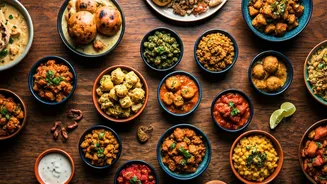
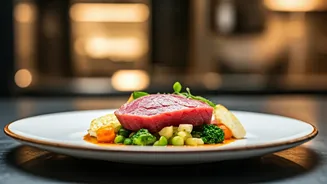
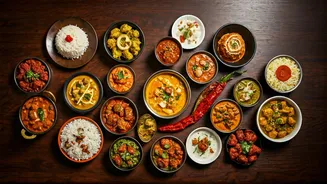
This movement is about more than just different flavours; it's about culinary storytelling. [5, 11] Successful regional restaurants are not just serving food; they are curating experiences that reflect the history and culture of a place. [3, 10] Menus often explain the significance of a dish, chefs highlight the sourcing of local ingredients, and the restaurant's decor might evoke the heritage of the region. [5, 30] This focus on authenticity is reshaping the global perception of Indian food, earning it legitimacy in the fine-dining world with a growing number of Michelin stars for establishments that champion regional specialities. [3, 4, 6] By moving beyond a monolithic idea of "Indian food," these restaurants offer a more honest and complex taste of the subcontinent's incredible diversity. [5]