




An Enduring, Earthy Aesthetic
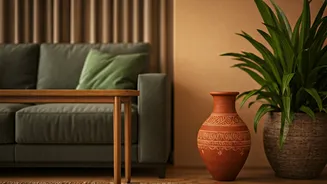
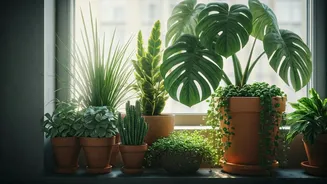
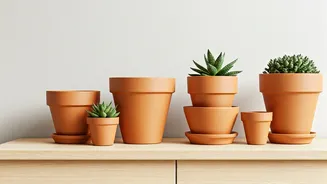
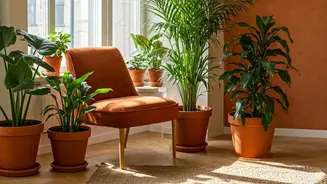
Long before minimalist ceramics and metallic planters, there was terracotta. The warm, rustic charm of clay pots adds a natural, grounding element to any interior. Their reddish-brown hue provides a beautiful contrast to lush green foliage and fits seamlessly
into various decor styles, from modern minimalist to bohemian chic. Unlike mass-produced plastic pots, each clay pot has a subtle uniqueness. Over time, they develop a beautiful aged patina from mineral deposits, adding character and telling a story that mass-produced items simply cannot.
Bringing Nature Indoors
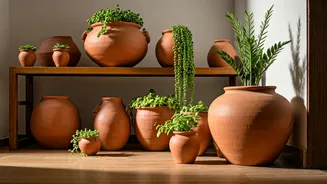
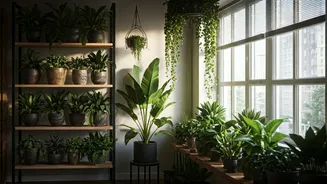
The trend of using clay pots is closely linked to the rise of biophilic design—an approach that seeks to connect our living spaces with nature. In concrete-heavy urban environments, creating a link to the natural world is more important than ever for our well-being. Incorporating natural materials like clay, stone, and wood helps create a calming, restorative atmosphere. Using houseplants in terracotta pots is a simple yet powerful way to bring the outdoors in, improving air quality and reducing stress within the confines of an apartment.
Healthier and Happier Plants
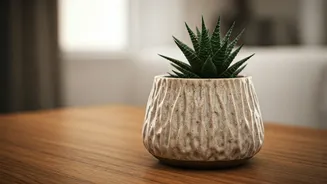
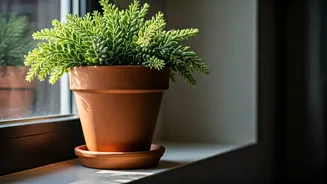
There's a practical reason why gardeners have loved terracotta for centuries: it's fantastic for plant health. Unglazed clay is porous, which means it allows air and moisture to pass through the walls of the pot. This breathability prevents the soil from becoming waterlogged, which is a common cause of root rot in indoor plants. The porous nature helps soil dry out more evenly, making terracotta an excellent choice for succulents, cacti, and other plants that prefer drier conditions, and for people who have a tendency to overwater.
A Conscious Choice for Sustainability
As more people become environmentally conscious, they are seeking sustainable alternatives to plastic in all aspects of life, including home decor. Clay pots are a clear winner here. Made from natural earth, they are biodegradable and avoid the chemical leaching associated with some plastic containers. Choosing a durable, natural material over a synthetic one is a small but meaningful way to reduce one's environmental footprint. This shift towards eco-friendly materials is a growing movement in home design, where longevity and natural origins are becoming the new luxury.
Supporting Local Artisans
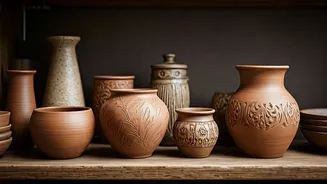
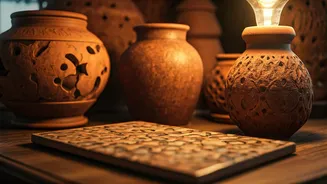
The “locally sourced” aspect of this trend is perhaps its most impactful. Choosing pots made by local potters supports small, family-run businesses and helps preserve traditional craftsmanship that has been passed down through generations. In a world dominated by mass production, purchasing handmade goods infuses a space with soul and character. It is an economic and cultural investment in local communities, ensuring that these valuable skills don't fade away. Many government and non-profit initiatives are also working to provide better market access and support for these artisans, making it easier for consumers to make ethical choices.