


The Reigning Champions
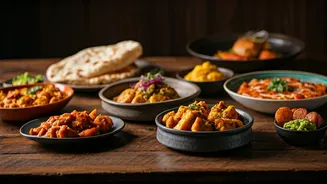
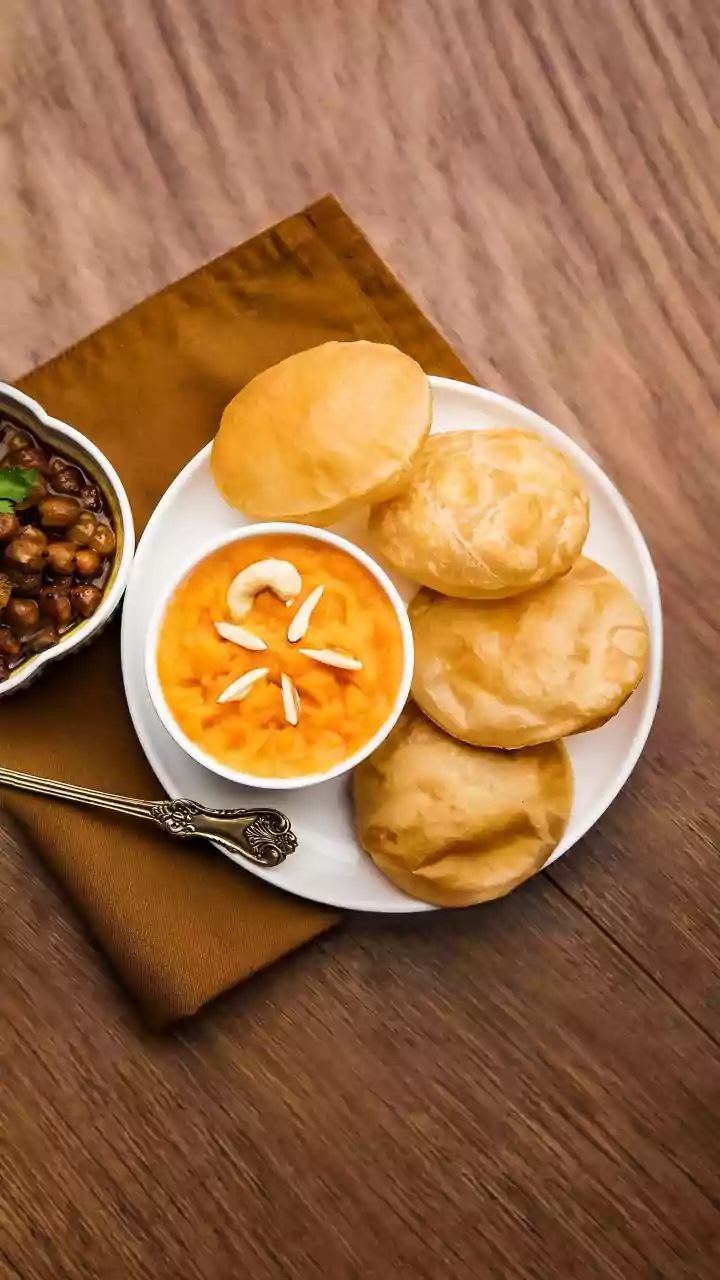
For as long as anyone can remember, Delhi and Mumbai have been the undisputed heavyweights of Indian street food. Delhi, with its rich Mughal history, offers succulent kebabs, flavourful chole bhature, and a universe of chaat in the winding lanes of Old
Delhi. [25] Mumbai, the city that never sleeps, counters with its on-the-go icons: the humble yet mighty vada pav, tangy bhel puri by the sea, and buttery pav bhaji that fuels the metropolis. [28] Their dominance is built on history, diversity, and sheer scale, making them the default settings for any culinary tour of India. [29] This long-standing rivalry has defined foodie conversations for years, but the narrative is beginning to shift.
The Challenger from Central India
Indore, often called the commercial capital of Madhya Pradesh, has been quietly building a reputation that is now too loud to ignore. [6] Hailed by many as India's 'Street Food Capital', its claim to fame isn't about competing with Delhi's Mughlai heritage or Mumbai's coastal flavours. Instead, Indore offers a completely different, and arguably more immersive, street food philosophy. [5, 7] Here, street food isn't just a snack; it's a way of life, a primary form of entertainment, and a community ritual. [5] The city's food culture is an amalgamation of influences from neighbouring Rajasthan, Gujarat, and Maharashtra, creating a unique vegetarian-dominant culinary landscape. [10]
The Two Pillars: Sarafa and Chappan
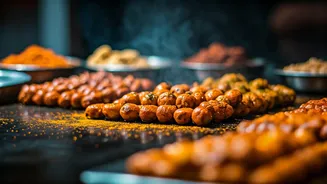
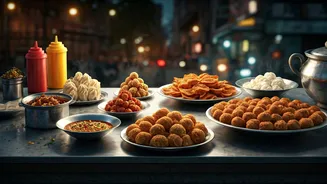
Indore’s reputation rests on two legendary hubs. First is Sarafa Bazaar, a spectacle unlike any other. A jewellery market by day, it miraculously transforms into a bustling, open-air food court by night, with stalls serving delicacies until 2 AM. [7, 15, 18] The tradition began when jewellers allowed food vendors to set up stalls in front of their closed shops, creating a vibrant, late-night ecosystem. [15] Then there's Chappan Dukan, which translates to '56 Shops'. [7] This is a more organized, all-day street lined with an overwhelming variety of food establishments, perfect for everything from a traditional breakfast to an evening feast. [6] Together, they represent the soul of Indore's food scene: one a magical, nocturnal carnival, the other a systematic celebration of flavour.
The Dishes That Define the Hype
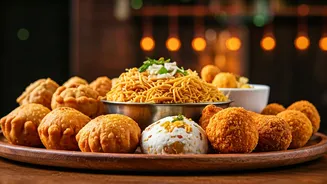
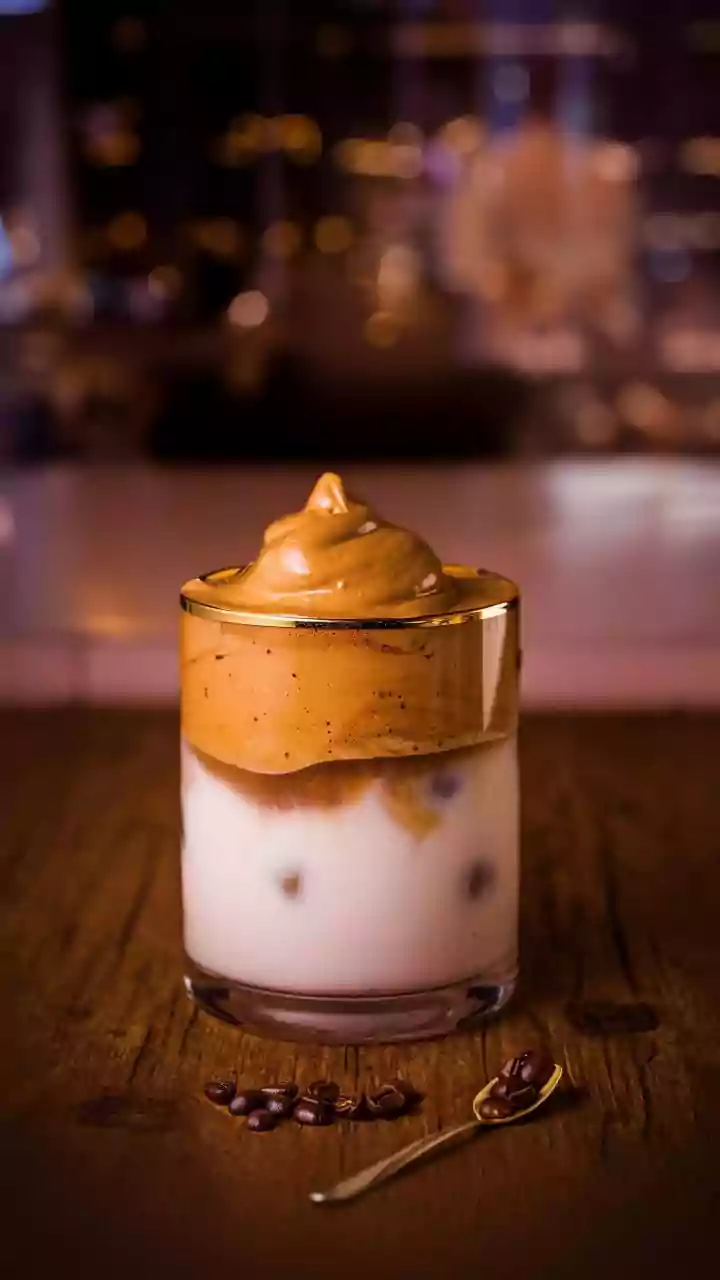
What truly sets Indore apart are its unique dishes that you'll be hard-pressed to find elsewhere. The day starts with Poha-Jalebi, a seemingly paradoxical but beloved combination of savoury flattened rice and sweet, syrupy jalebi. [10] Then there’s Bhutte ka Kees, a creamy, spiced dish made from grated corn, and Garadu, a winter specialty of deep-fried yam chunks tossed in spices. [17] Don't miss the Khopra Patties—potato balls stuffed with grated coconut and deep-fried—or the local Shikanji, which is not a lemonade but a rich, milk-and-rabdi-based drink packed with dry fruits. [12, 17] Each dish tells a story of local innovation, from the special Jeeravan masala sprinkled on everything to the theatrical flair of the vendors, like the famous dahi bada maker who tosses the plate in the air without spilling a drop. [9, 10]
The Verdict: A New Culinary Powerhouse
So, does Indore really make Delhi and Mumbai nervous? Perhaps. While the metros boast greater non-vegetarian variety and fine-dining options, Indore's strength lies in its unparalleled street food culture. [26] It's a city that lives and breathes street food 24/7, offering a unique, often theatrical, and highly affordable experience. [5] It has even been ranked India's cleanest city for consecutive years, a title that extends to its 'Clean Street Food Hubs' like Chappan Dukan and Sarafa Bazaar. [6, 15] Indore's rise isn't about replacing the old guard, but about expanding the map of India's essential food destinations. It proves that world-class culinary experiences can be found far from the traditional metro hubs, making it a true powerhouse that stands confidently on its own terms.