



The Science of Absorption
The absorption method is a technique for cooking grains like rice where a precise amount of liquid is added, with the expectation that it will all be absorbed by the end of the cooking time. Unlike boiling pasta in excess water, the goal here is a perfect
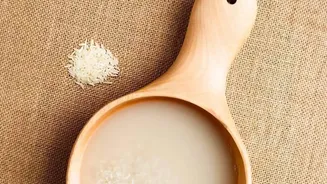
partnership between grain and liquid. Rinsing the rice beforehand is a key first step for many varieties, as it washes away excess surface starch that can cause the grains to clump together. Once the rice and its measured liquid are in the pot, the process relies on creating a sealed, controlled environment to work its magic. The entire system is designed to cook the grain gently and evenly, with every drop of water playing a crucial role.
Why the Lid is Your Best Friend
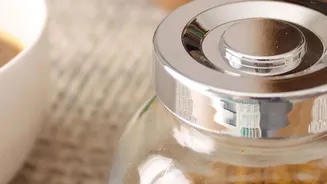
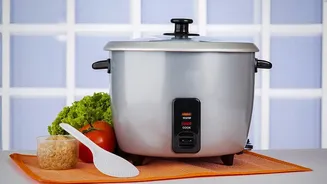
Once you lower the heat and cover the pot, the real work begins. The lid's job is to trap steam. This is incredibly important for two reasons. First, the steam maintains a consistent, high temperature throughout the pot, not just at the bottom. This ensures the grains at the top cook just as thoroughly as the ones sitting on the base. Second, that trapped steam is the water you added, just in a different form. It helps cook the rice without adding excess moisture that would turn it mushy. Think of it as a mini-steamer and pressure cooker combined. A heavy, tight-fitting lid is ideal for this job, creating a closed loop where heat and moisture are retained to cook the rice perfectly.
The Chaos of a Lifted Lid
Every time you lift the lid to peek, you break that carefully balanced system. A huge plume of steam escapes, which is water that your rice still needs to absorb. Simultaneously, the temperature inside the pot plummets. The cooking process stalls and becomes uneven. The grains at the top, now deprived of steam, will cook slower than the ones at the bottom, which might start to overcook or scorch as the pot tries to return to temperature. This disruption almost guarantees a disappointing result: either undercooked, crunchy rice or a mix of mushy and hard grains. The pot has to work much harder to reheat, and by the time it does, the texture of your rice has likely been compromised.
Resist the Urge to Stir
Lifting the lid is often accompanied by another culinary crime: stirring. While stirring is essential for making creamy risotto, it’s the enemy of fluffy rice. Agitating the grains breaks them down and causes them to release more starch, resulting in a sticky, gluey texture. Once your rice is simmering, it should be left completely alone. Trust the process. The combination of direct heat from the bottom and steam from the top is all that's needed for even cooking. Stirring not only releases precious steam but actively works against the light, separated texture you're trying to achieve.
The Path to Perfect Fluff
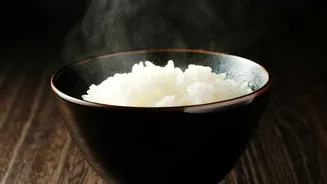
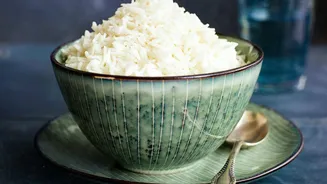
Mastering the absorption method is simple once you trust the science. Start by using the correct ratio of water to rice, which is typically around 1.5 to 2 cups of water for every cup of long-grain rice, but check your package for specifics. Bring the water to a boil, add your rinsed rice, reduce the heat to a low simmer, and cover the pot. Then, set a timer and walk away. Don’t peek. When the time is up, turn off the heat but leave the lid on for another 10 minutes. This resting period is crucial; it allows the residual steam to redistribute, ensuring every grain is perfectly tender and fluffy. After resting, you can finally lift the lid and fluff the rice with a fork.