





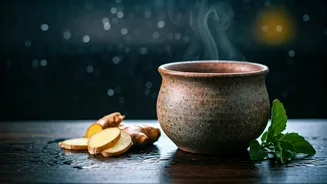


More Than Just a Storm in a Teacup
The Indian monsoon is an experience for all senses—the smell of petrichor, the sight of lush greenery, and the sound of falling rain. But alongside this sensory delight comes a less welcome guest: seasonal ailments. Colds, coughs, viral fevers, and digestive
troubles spike as the humidity rises and temperatures fluctuate. For generations, the first line of defence wasn't a trip to the pharmacy, but a visit to the kitchen. Grandmothers would meticulously prepare 'kadha'—a potent, slow-brewed concoction of herbs and spices. Today, this age-old wisdom is undergoing a modern resurgence. The so-called 'revolution' is less about discovering something new and more about remembering something ancient, driven by a post-pandemic surge in health consciousness and a desire for natural, preventative wellness.
From Kitchen Staple to Commercial Star
What's different this time is accessibility. While the traditional kadha requires sourcing fresh ingredients and a patient brewing process, today’s wellness market has made it incredibly convenient. Supermarket shelves and online stores are now brimming with beautifully packaged herbal infusions that promise immunity, detoxification, and stress relief in a simple tea bag. Brands are tapping into the Ayurvedic lexicon, marketing Tulsi, Ashwagandha, and Giloy with the same aspirational appeal once reserved for exotic green teas. This shift is significant. It represents the mainstreaming of traditional Indian wellness, moving it from the realm of home remedies to a desirable lifestyle choice for a new generation that values both heritage and convenience.
Your Monsoon Herbal Toolkit
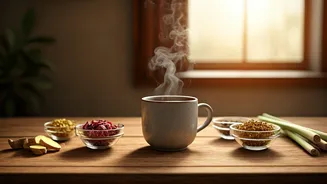
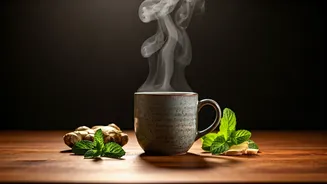
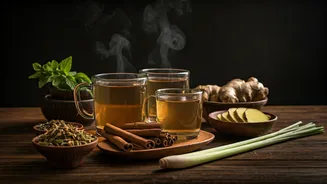
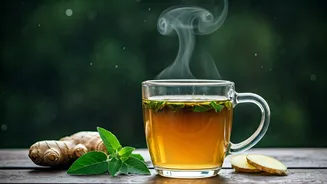
Navigating the world of herbal teas can be overwhelming. Instead of getting lost in the options, start with the classics that are perfectly suited for the rainy season. These powerhouse herbs are likely already in or around your kitchen, and they form the backbone of most immunity-boosting blends. **Tulsi (Holy Basil): The Immunity Shield** Often called the 'Queen of Herbs', Tulsi is a cornerstone of Ayurveda. It's an adaptogen, believed to help the body adapt to stress, and is packed with antioxidants. Its antibacterial and antiviral properties make it the perfect ally against seasonal coughs and colds. A simple tea made by steeping fresh Tulsi leaves in hot water is a daily ritual in many Indian homes during the monsoon. **Ginger & Turmeric: The Anti-inflammatory Duo** A match made in wellness heaven. Ginger is a celebrated remedy for sore throats, congestion, and nausea, while Turmeric, with its active compound curcumin, is a powerful anti-inflammatory. Combined, they create a warming, earthy brew that soothes the body from the inside out. A dash of black pepper is often added to increase the bioavailability of curcumin.
Beyond the Classics
**Lemongrass & Mint: The Digestive Soothers** The monsoon can be tough on the digestive system. Lemongrass and mint are both known for their calming effects on the stomach. Lemongrass has a light, citrusy flavour and is traditionally used to relieve bloating and indigestion. Mint (pudina) is a natural coolant that can ease stomach cramps and refresh the palate. A post-meal cup of this blend can work wonders. **Mulethi (Licorice Root): The Throat Coat** If you have a persistent dry cough or a scratchy throat, Mulethi is the herb to reach for. It has a natural sweetness and acts as a demulcent, which means it forms a soothing, protective layer over the throat's mucous membranes. It helps to loosen congestion in the chest and provides immediate relief from irritation.
Brewing the Perfect Ritual
Whether you use fresh herbs or a convenient tea bag, the key is to transform the act of drinking tea into a mindful ritual. Don't rush it. Allow the herbs to steep properly—typically 5-7 minutes for most infusions—to release their full flavour and benefits. If using fresh ingredients like ginger or turmeric, gently crush or grate them to expose more surface area. Add a touch of honey or jaggery for sweetness if you prefer, but try to savour the complex, natural flavours first. This isn't just about hydration; it's a simple, powerful act of self-care, a warm embrace in a cup on a dreary, rainy day.