


The Psychology of a Monsoon Haven
The typical approach to monsoon decor involves fighting the gloom with bright colours and keeping things sparse to combat the humidity. While there's merit in that, an emerging sensibility encourages us to work with the season, not against it. Think about
it: grey, overcast light and the constant pitter-patter naturally make us want to retreat and seek comfort. This is the core principle behind the 'hygge' or 'còsagach' concepts—creating a feeling of cosy contentment. During the monsoon, this translates to turning your home into a psychological shelter. Instead of just a dry space, it becomes a warm, inviting refuge from the damp, dreary world outside. This is where warmer textures come in, not to raise the temperature, but to elevate the mood and make your home feel like a hug.
Redefining 'Warm' for a Humid Climate
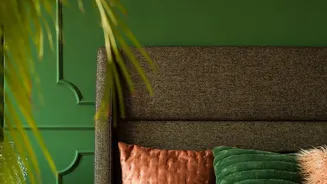
The idea of 'warm textures' in a humid Indian monsoon can sound counterintuitive. Nobody is suggesting you roll out heavy wool carpets or drape your sofa in thick fleece. The key is to redefine warmth. It's about visual and tactile comfort, not thermal insulation. Think of materials that feel good against the skin and look inviting. Lightweight, breathable fabrics like cotton knits, linen blends, and even strategically placed velvet cushions can add a layer of richness without trapping heat. The goal is to introduce textures that absorb the ambient gloom. A chunky cotton throw on a sofa, a soft rug underfoot, or a set of velvet cushion covers in a jewel tone adds depth and fights the flatness of a rainy day.
Layering Textures Without the Stuffiness
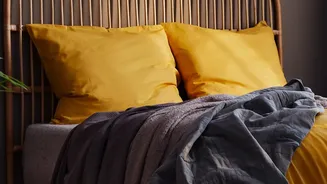
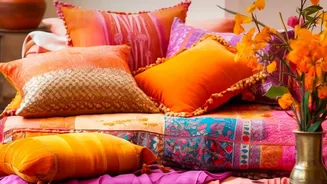
The secret to using warmer textures during the monsoon is layering with a light touch. It's about building comfort, not clutter, which can trap moisture. Start with your base. If you have hard flooring, a flatweave dhurrie or a cotton rug can instantly add a layer of softness and visual warmth. On your sofa or bed, swap out a couple of your standard cushions for ones with more interesting textures—perhaps a block-printed design, a ribbed cotton cover, or a single, luxurious velvet pillow. A light, open-weave throw blanket draped over an armchair is an invitation to curl up with a book and a cup of chai. The key is that these are accents, not overhauls. They can be easily rotated and stored, giving you the flexibility to adapt to the day's weather.
The Crucial Role of Light and Scent
Creating a warm, cosy atmosphere goes beyond just what you can touch. With less natural sunlight, your home's lighting plays a huge emotional role. Switch off harsh overhead lights in the afternoon and evening. Instead, use floor and table lamps with warm-toned bulbs to create pools of soft, golden light. This immediately makes a room feel more intimate and gathered. Scent is the other invisible layer of comfort. The monsoon can bring a musty smell, so combat it with fragrances that evoke warmth and cleanliness. Scented candles with notes of sandalwood, vanilla, or cinnamon add to the mood, as do diffusers with essential oils. Even the simple act of lighting an agarbatti or placing a bowl of fresh jasmine or tuberose can fill the air with a comforting, season-appropriate aroma.
Choosing Materials That Last the Season
Practicality is paramount during the monsoon. High humidity means you need to choose your textures wisely to avoid issues with dampness and mould. When it comes to fabrics, opt for natural, breathable materials like cotton and linen, or quick-drying synthetics like microfiber and certain polyester blends for items that might be exposed to more moisture. It’s wise to keep furniture slightly away from walls to allow for air circulation and prevent mildew build-up. If you're using rugs, ensure they are not placed in areas prone to dampness. And when it comes to bigger pieces, furniture made of treated woods like teak or engineered wood are more resistant to swelling and damage from the humid air.