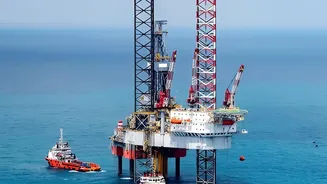









A Spike in Global Oil Prices
Recent days have seen a significant escalation in the Middle East, with reports of strikes between the U.S. and Iran. This instability has sent shockwaves through energy markets, pushing the price of Brent crude, the global benchmark for oil, towards
$100 per barrel. Prices surged to a six-week high as the conflict intensified concerns about potential disruptions to the global oil supply, particularly around the critical Strait of Hormuz, a key artery for global crude shipments. For a rapidly growing economy like India, which depends heavily on imported energy, such a spike is a major economic headwind.
India's Heavy Reliance on Imports
India's vulnerability to global oil shocks stems from a simple fact: it imports over 85% of its crude oil requirements. A significant portion of these imports has traditionally come from the Middle East. While India has diversified its sourcing in recent years, with Russia becoming a major supplier, the overall cost is dictated by global prices. When Brent crude prices rise, India's import bill inevitably swells, putting pressure on the country's foreign exchange reserves and widening the trade deficit. The Indian Basket, the average price of crude oil purchased by the country, recently crossed the $100 per barrel mark for the first time since May, reflecting the rising costs.
From Crude to the Petrol Pump
For the average citizen, the most direct impact of rising crude prices is felt at the petrol pump. Higher import costs are eventually passed on to consumers by Oil Marketing Companies (OMCs). Any sustained increase in Brent crude makes petrol and diesel more expensive. This isn't just an inconvenience for motorists; it has a cascading effect on the entire economy. Higher diesel prices lead to increased transportation costs for goods, from fresh produce to manufactured products. This can fuel broader inflation, making everyday items costlier and putting a strain on household budgets.
Aviation Feels the Turbulence
The airline industry is particularly sensitive to fluctuations in oil prices. Aviation Turbine Fuel (ATF), a petroleum product, constitutes 35-40% of an airline's operating expenses. A surge in crude prices directly translates to higher ATF costs. In fact, ATF prices in India were already increased at the beginning of September for the second consecutive month. Airlines are left with a difficult choice: absorb the higher costs and hurt their profitability, or pass them on to passengers through higher ticket prices. Some Indian carriers have already rationalised flights on certain routes due to the sustained impact of high fuel prices, which could lead to fewer available seats and potentially higher fares, especially during peak travel seasons.
The Broader Economic Ripple Effect
The impact of expensive oil extends beyond just fuel and flights. It is a fundamental input for many industries, including manufacturing, agriculture, and logistics. Rising energy costs can squeeze corporate profit margins and contribute to wholesale price inflation, an early indicator of future price rises for consumers. Economists warn that persistently high oil prices can act as a drag on economic growth, as they divert consumer spending from other goods and services and increase operational costs for businesses across the board. The government faces a difficult balancing act: shielding consumers from the full impact could strain public finances, while allowing prices to rise risks stoking inflation.